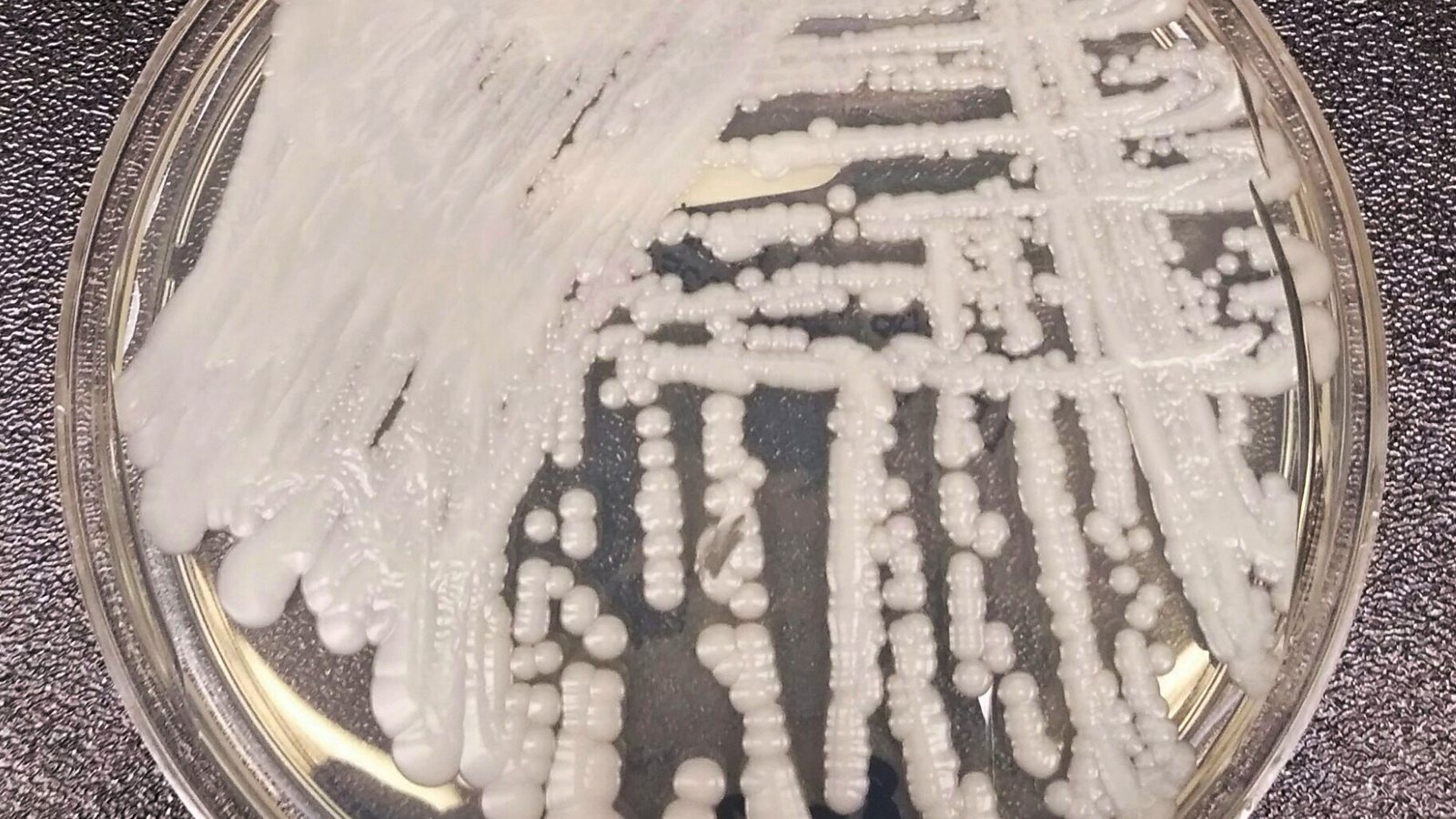
Drug-resistant bacteria and fungi cause an estimated 9.7 million infections and 50,800 deaths a year in the US, according to the CDC superbug report released on October 27. The estimates use 2023 data and cover 19 germs that standard drugs increasingly fail to kill.
Those totals are far bigger than the ones from the agency’s last full report in 2019. But the CDC itself warns against reading them as a surge. It says it changed its methods and data sources, so “direct comparisons to previous AR Threats Reports for all pathogens except C. auris should not be made.”
Why the bigger totals aren’t a straight comparison
The 2019 report was widely cited as more than 2.8 million infections and 35,000 deaths a year, the figures CIDRAP used for its comparison. The CDC’s own summary page now describes that report as showing more than 2.6 million infections and nearly 44,000 deaths.
The counting has changed under the hood.
Take C. diff, a gut bacterium that causes severe diarrhea. Earlier reports counted only hospitalized cases, while the 2026 update adds patients who were never admitted. Changes like that push totals up without any new infections.
That doesn’t mean nothing got worse. CIDRAP reports the CDC saying the increase partly reflects real rises in some resistant germs, and several of the pathogen pages show sharp growth on their own terms.
The report is also no longer a PDF. It is now a website that sorts the 19 germs into four urgent, 13 serious and two concerning threats. A separate Watch List holds six more whose US burden the CDC says is “not yet understood.”
“Antimicrobial resistance threatens modern medicine and puts millions of Americans at risk every year,” CDC Director Dr. Erica Schwartz said in the agency’s release, as quoted by CIDRAP.
The four urgent threats, and the one CDC can compare
The CDC reserves “urgent” for germs that require “urgent and aggressive action.” Its list names four.
Candida auris, a fungus, is the only germ the CDC says can be tracked across reports. Clinical cases have risen nearly tenfold since 2019, including a jump of more than 50% in 2023 alone. In 2023, 96% of samples resisted fluconazole, a common antifungal. Resistance to echinocandins, the first-line treatment, was 1% but rising.
Carbapenem-resistant Enterobacterales (CRE) are gut bacteria such as E. coli and Klebsiella that shrug off carbapenems, a class of last-line antibiotics. The CDC estimates 14,878 cases and 1,252 deaths among hospitalized patients in 2023, costing more than $174 million. One strain type, NDM-CRE, rose nearly fivefold from 2019 to 2023.
Carbapenem-resistant Acinetobacter lives in soil, water and on hospital surfaces. It caused an estimated 9,497 cases and 817 deaths in hospitalized patients in 2023. Healthcare costs topped $355 million.
Drug-resistant gonorrhea is the outlier, because it spreads through sex rather than through hospitals. Drug-resistant infections have stayed above 740,000 a year since 2018. Ceftriaxone is now the only recommended treatment, according to the CDC, and resistance to it remains “very rare.”
“Community-onset” usually still means health care
The hospital germs dominate the death toll. Hospital-associated infections caused more than 42,000 US deaths and cost more than $12 billion, CIDRAP reports from the CDC data.
At first glance, the CRE numbers look like a community problem: 67% of cases were “community-onset.” The CDC’s definition is narrower than it sounds. It counts anyone who tested positive before admission or in their first three days in the hospital. That includes nursing home residents and others with recent healthcare exposure.
Acinetobacter follows the same pattern, with 63% of cases labeled community-onset. The CDC says its risk falls on patients in hospitals and nursing homes, especially those with long stays, ICU time, recent antibiotics or devices such as ventilators and catheters.
C. auris works the same way. People can carry it on their skin without symptoms and leave it on nearby surfaces, the CDC says. The patients who get sick tend to be seriously ill and on breathing tubes, feeding tubes or catheters.
So for three of the four urgent threats, the real exposure is time spent in hospitals and long-term care, not daily life.
Sex, food and close contact: the threats outside hospitals
Gonorrhea is the one urgent threat most Americans could encounter directly. People get it from sex without a condom with an infected partner, according to the CDC. In 2023, 55.4% of tested samples showed resistance or reduced response to at least one of six antibiotics. The CDC says it is watching whether that jump is “an anomaly or a trend.”
Food is the main route for drug-resistant Campylobacter, a serious threat and a leading cause of foodborne illness. The CDC estimates 1.79 million infections in 2023, spread through contaminated food and water and contact with animals, including pets. Resistance to ciprofloxacin, one of the two recommended drugs, reached 39.5% of samples that year.
Drug-resistant Shigella spreads through food and water and is increasingly linked to sexual activity, CIDRAP notes. Drug-resistant Neisseria meningitidis, or meningococcus, is new to the list as a serious threat. It spreads through kissing, sharing drinks and close quarters such as college dorms, Good Morning America reported.
C. diff is the report’s clearest success. It dropped from urgent to serious after an unadjusted 21% fall in cases from 2018 to 2020, which the CDC credits to prevention in healthcare settings.
It still caused more than 400,000 cases and more than 11,000 deaths among hospitalized patients in 2023. Adults 65 and older get it at 4.5 to 5 times the rate of younger people.
What the CDC tells patients to do
The CDC’s prevention page, updated alongside the report, lists everyday steps. They line up with where these germs spread:
- In a hospital or nursing home: speak up with questions, ask your provider about infection risks and sepsis, and clean your hands.
- With medicines: use antibiotics and antifungals only when needed, and know that C. diff is linked to antibiotic use.
- With sex: use condoms correctly, get treated right away after a positive test, and make sure your partner is treated too.
- In the kitchen: clean, separate, cook to safe temperatures and chill food promptly, and wash hands after handling raw meat or eggs.
- Around animals and abroad: wash hands after touching animals, and follow food and water safety advice when traveling.
The agency also says vaccines help prevent infections, including resistant ones. That puts routine shots in the same toolkit, from this year’s flu shot to checking your MMR record. Keeping cuts clean and covered, and managing conditions such as diabetes, are on the list too.
The next warnings may come from the Watch List. It includes drug-resistant whooping cough, with two US cases of macrolide-resistant pertussis identified in 2024 and 2025, the first since 2018, according to CIDRAP. The CDC says the new website format will let it update the report more regularly.