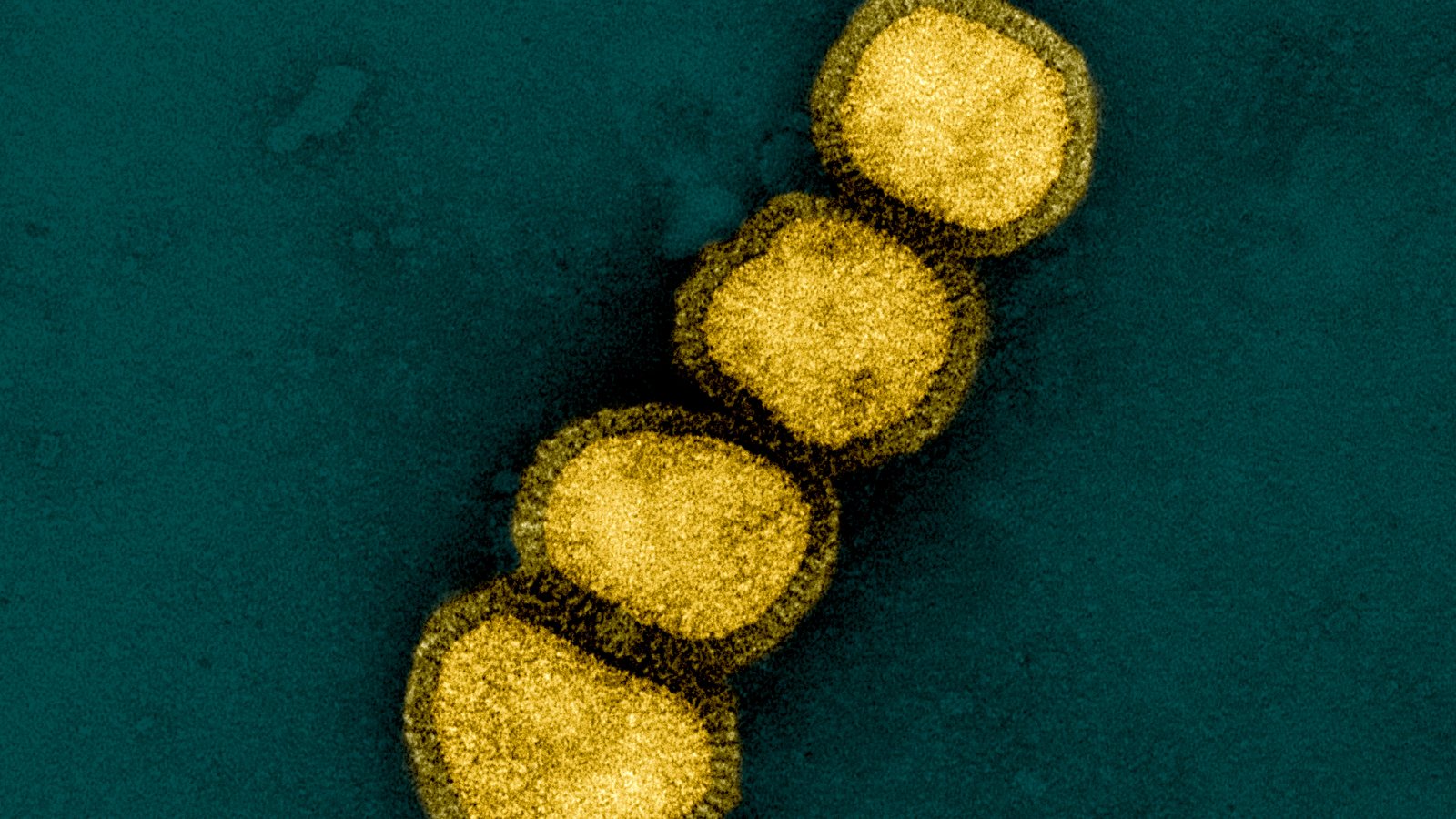
Flu season has started about two and a half months ahead of schedule. It’s led by an H1N1 strain that picked up a mutation after this year’s vaccine was designed. The shot should still offer partial protection, and scientists tracking the virus say to get it now, not after Halloween.
The numbers are moving fast. In the week ending October 10, 5% of flu tests at US clinical labs came back positive, CDC FluView data show. A year earlier the figure was 0.5%. In the Southwest and the Pacific Northwest, positivity is already at levels most places don’t see until winter.
The West Coast got hit first, which rarely happens
US flu seasons usually begin in the South, often in Florida, and move north through the winter. This year the Pacific states went first, Dr. Alex Greninger of the University of Washington told CNN on October 22. He runs the university’s infectious disease diagnostics lab.
Roughly one in 10 people tested for flu in Washington state last week were positive, CNN reported, citing state data. “We’re basically seeing January levels of flu in the last week,” Greninger said.
Pharmacy data point the same way. Walgreens said on October 21 that national flu activity is about four weeks ahead of recent seasons. Cases are rising in many western states and Florida. The chain is also filling more flu antiviral prescriptions than it did a year ago.
The national picture is calmer for now. About 2.1% of doctor visits were for flu-like illness, which CNN noted is still below the CDC’s national baseline. The virus hasn’t taken off everywhere yet.
Region by region, flu positivity is up about tenfold
We pulled the latest clinical lab results from the CDC’s FluView surveillance system, released October 16. We used Carnegie Mellon’s Delphi Epidata API, which mirrors FluView. The table compares the week ending October 10 with the same week of 2025.
| HHS region (states) | Positive, week ending Oct 10, 2026 | Same week, 2025 |
|---|---|---|
| Region 9 (AZ, CA, HI, NV) | 10.7% | 0.6% |
| Region 10 (AK, ID, OR, WA) | 8.1% | 0.5% |
| Region 6 (AR, LA, NM, OK, TX) | 6.2% | 0.9% |
| Region 8 (CO, MT, ND, SD, UT, WY) | 5.7% | 0.6% |
| Region 4 (AL, FL, GA, KY, MS, NC, SC, TN) | 3.6% | 0.5% |
| Region 7 (IA, KS, MO, NE) | 3.2% | 0.2% |
| Region 2 (NJ, NY, Puerto Rico, USVI) | 2.6% | 0.3% |
| Region 5 (IL, IN, MI, MN, OH, WI) | 2.3% | 0.6% |
| Region 1 (CT, ME, MA, NH, RI, VT) | 2.2% | 0.3% |
| Region 3 (DE, DC, MD, PA, VA, WV) | 2.1% | 0.4% |
| United States | 5.0% | 0.5% |
The West leads, but Region 6 is the one to watch. Positivity there nearly doubled in a single week, from 3.4% to 6.2%. That fits what Johns Hopkins epidemiologist Caitlin Rivers told CNN: the South is catching up quickly.
Percent positive is the share of tests that find flu, not a count of sick people. Still, even the Midwest and Mid-Atlantic regions, the least affected, are running more than four times last year’s rate.
What the G155E mutation changes
Almost all of this is one virus. Influenza A made up 98% of positive lab tests nationally that week. Greninger said about 98% of the samples his lab sees are H1N1, a descendant of the 2009 pandemic virus.
The concern is a change at one spot on the virus’s surface protein, labelled G155E. Jesse Bloom’s lab at Fred Hutch tested 355 human blood samples collected from April to August, in a preprint posted in September. Greninger is a co-author. In 75 of 346 samples, about one in five, the mutation cut neutralizing antibody levels by more than half.
The hit is uneven. It was hardest on teenagers and young adults, whose first H1N1 exposure likely came in or after 2009. Older people, first exposed to earlier H1N1 strains, were less affected. The study has not yet been peer reviewed.
Japan saw this virus first. Its flu season began in the week of August 17 to 23, according to nippon.com. That was the second-earliest start since current records began in 1999. Outbreaks there forced some schools to close, Nature reported, and CNN said the mutated virus is behind them.
Why the vaccine couldn’t keep up
The World Health Organization picked this season’s strains on February 27. Its H1N1 choice was an A/Missouri/11/2025 strain. Most US flu shots are still grown in chicken eggs because it’s cheap, Greninger told CNN. That slow process forces the early decision.
The vaccine’s H1N1 strain sits on an older branch of the virus family tree, the Bloom preprint says. Nearly all H1N1 now circulating comes from a newer branch, and G155E has appeared on top of it. That’s what a partial match means. The shot still teaches your body to recognize H1N1, but the antibodies grip the new version less tightly, especially in some younger people.
Partial doesn’t mean useless. Among Australians given this year’s Southern Hemisphere shot, vaccination still raised antibodies against the mutated strains. The boost was only modestly smaller. Penn virologist Scott Hensley said the shot’s H3N2 and influenza B parts look like a good fit, HealthDay reported.
Match matters, though. Vaccine effectiveness has ranged from 10% to 60% across seasons since 2004, by the CDC’s own estimates. Last season’s preliminary figure was 36%.
Get the shot now, ideally this week
Everyone 6 months and older should get a flu vaccine every season, the CDC’s key facts page says. Antibodies take about two weeks to build. “Really, the time to get vaccinated was actually two to three weeks ago,” Greninger told CNN.
The CDC’s interim guidance cites “legal uncertainties” in keeping its July 2025 flu recommendations in place. That follows the January overhaul of the children’s vaccine schedule. People 65 and older should preferably get a high-dose, adjuvanted or recombinant shot. Some children aged 6 months to 8 years need two doses, four weeks apart.
The agency has been quieter about flu shots than usual, NPR reported. That comes in a year when measles cases hit their highest level since 1991. “It is disappointing that CDC is quiet,” Demetre Daskalakis, the former head of the CDC’s immunization center, told NPR.
Who is at high risk, and the Tamiflu window
The CDC lists these among the groups at higher risk of serious complications:
- adults 65 and older, and children under 2
- pregnant people, up to two weeks after pregnancy ends
- people with asthma, lung or heart disease, diabetes, kidney or liver disorders, or weak immune systems
- nursing home residents
If you get sick, timing matters. Antivirals such as oseltamivir (Tamiflu) and baloxavir (Xofluza) work best within one to two days of symptoms, the CDC says. High-risk patients and people sick enough for the hospital can still benefit later. Most healthy people with mild illness don’t need them.
An early start doesn’t settle how bad the season gets. “An early start doesn’t necessarily mean a more severe season,” Oxford epidemiologist James Hay told Nature. Greninger wouldn’t be surprised by “a second flu season, like a normal flu season” after H1N1 peaks. The CDC’s next FluView report, for the week ending October 17, is due Friday, October 23.