
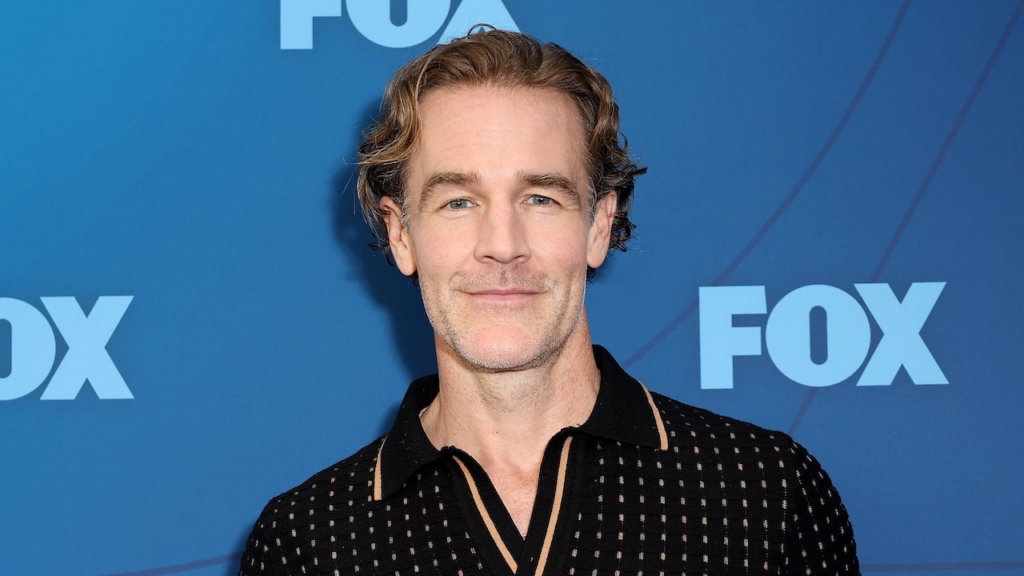
Actor James Van Der Beek, best known for his role in Dawson’s Creek, has died at the age of 48, less than three years after publicly revealing his diagnosis with Stage 3 colorectal cancer. His death on Wednesday, Feb. 11, has prompted an outpouring of tributes and renewed attention on a disease that remains both common and, in many cases, preventable.
In the final years of his life, Van Der Beek spoke candidly about his illness, using his platform to challenge misconceptions about colon cancer and urge people to get screened, even if they feel perfectly healthy.
“To me, the biggest misunderstanding is that you need to have symptoms to get screened,” he said. “I was very healthy, in amazing cardiovascular shape, and had full-blown Stage 3 cancer, and I didn’t know it.”
His message now resonates with greater urgency.
What was James Van Der Beek diagnosed with?
Van Der Beek first shared publicly in August 2023 that he had been diagnosed with stage 3 colorectal cancer, a form of cancer that begins in the colon and often spreads to the rectum. Stage 3 typically means the cancer has spread to nearby lymph nodes but not to distant organs.
Despite treatment and periods where he said he was “feeling good,” Van Der Beek continued to emphasize that his experience underscored how colon cancer can advance silently.
His openness made him one of the most visible advocates for early screening among younger adults—a demographic increasingly affected by the disease.
Why is colon cancer a major public health issue
Colon cancer—often grouped with rectal cancer as colorectal cancer—is among the most common and deadly cancers in the United States.
According to the American Cancer Society (ACS):
- It is the third most commonly diagnosed cancer
- It is the second leading cause of cancer-related deaths when men and women are combined
- An estimated 108,860 new cases of colon cancer are expected in 2026
Yet despite these numbers, colon cancer is considered one of the most preventable cancers, largely because it develops slowly and can often be stopped before it turns deadly.
How common is colon cancer, especially among younger people?
The National Cancer Institute reports that colon and rectal cancers account for about 7.6% of all new cancer cases. Historically, most diagnoses occurred in adults over 50. That pattern is changing.
Research published by the American Cancer Society in 2025 found that colorectal cancer is one of 17 cancers rising among Gen X and millennials.
Key points:
- Rates are increasing among people under 55
- Death rates in younger adults have been rising about 1% per year since the mid-2000s
- Experts do not yet know the exact cause of this increase
Diet, obesity, sedentary lifestyles, environmental factors, and changes in gut health are all being studied—but no single explanation has emerged.
What are the symptoms of colon cancer?
One of the most dangerous aspects of colon cancer is that symptoms often appear late—or not at all.
The disease typically begins with benign polyps in the colon. According to the Cleveland Clinic, it can take up to 10 years for a precancerous polyp to become cancerous and cause noticeable symptoms.
When symptoms do appear, they may include:
- Abdominal or belly pain
- Bloating
- Blood on or in stool
- Constipation or diarrhea
- Feeling like the bowel hasn’t fully emptied
- Persistent fatigue or weakness
- Unexplained weight loss
These symptoms can easily be mistaken for common illnesses such as food poisoning or a stomach virus. If they last more than a few days, doctors advise seeking medical attention.
Who is most at risk of colon cancer?
While anyone can develop colon cancer, certain factors significantly increase the risk.
According to the American Cancer Society, the lifetime risk is:
- About 1 in 24 for men
- About 1 in 26 for women
Risk factors include:
- Age 50 or older
- Family history of colorectal cancer
- Having multiple colon polyps
- Genetic conditions such as Lynch syndrome or familial adenomatous polyposis
- Obesity or being overweight
- Alcohol use and smoking
Van Der Beek’s case, however, highlighted a critical point: even people without obvious risk factors can be affected.
Why screening matters more than symptoms
Medical experts stress that waiting for symptoms can be deadly.
Screening tools such as colonoscopies and stool-based tests can:
- Detect cancer early, when treatment is most effective
- Identify and remove precancerous polyps before they turn malignant
This is why health authorities recommend routine screening, even for people who feel well.
Colon cancer prognosis and treatment trends
There is both good news and troubling news regarding outcomes.
The encouraging trend
- In adults over 55, colorectal cancer death rates have been dropping by about 1.5% per year
- Advances in early detection, surgery, chemotherapy, and targeted therapies have improved survival
The concerning trend
- In younger adults, death rates have been increasing
- Later-stage diagnosis is more common in younger patients, partly due to delayed screening
This divide has become a growing focus for cancer researchers and public health officials.
Van Der Beek’s legacy: “Get screened”
In an interview with USA TODAY in August 2025, Van Der Beek said he felt compelled to use his experience to help others avoid the same path.
“I’m shouting from the rooftops: Get screened. Talk to your doctor.”
Even while living with cancer, he framed his advocacy as a way to give meaning to his struggle.
“If I could save people from having to go through this journey, I definitely would,” he said.
“I would still give colorectal cancer zero stars.”
TL;DR
- Actor James Van Der Beek has died at 48 after a battle with Stage 3 colorectal cancer
- Colon cancer is common, deadly, but often preventable
- Rates are rising among Gen X and millennials
- Symptoms often appear late—or not at all
- Early screening saves lives
The bottom line
James Van Der Beek’s death is a personal tragedy—and a public health reminder.
Colon cancer does not always announce itself. It can progress quietly in people who feel fit, active, and symptom-free. That reality is why doctors emphasise screening over waiting and prevention over reaction.
If there is one message Van Der Beek worked to leave behind, it is this: feeling healthy is not the same as being cancer-free.