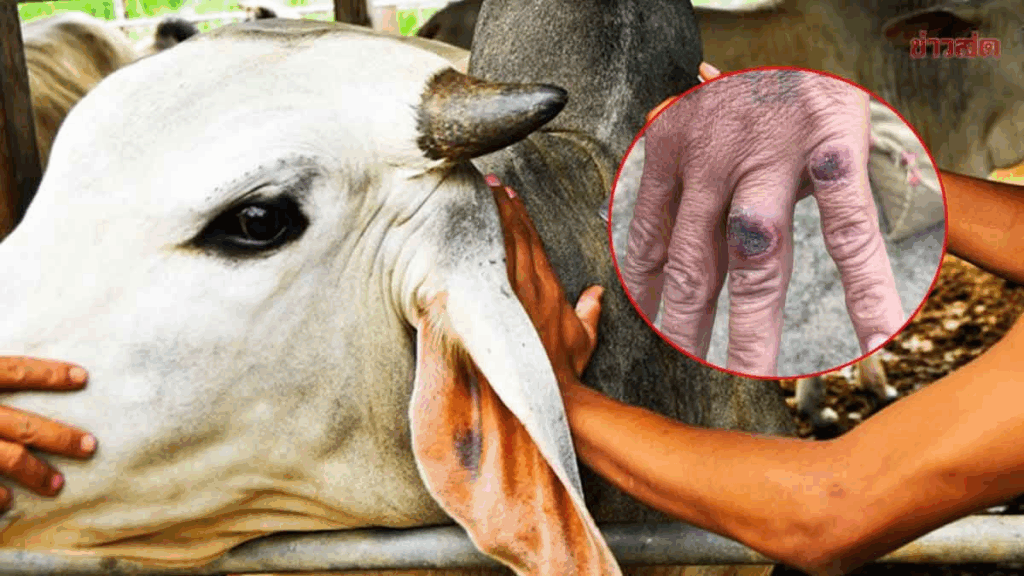
Public health alert issued as authorities scramble to contain rare bacterial outbreak
Thailand has reported its first anthrax-related death in decades, with two confirmed infections nationwide, prompting officials to issue a public health alert after identifying hundreds of people potentially exposed to the deadly bacteria.
A 53-year-old man from Mukdahan province in northeastern Thailand, near the border with Laos, died on Wednesday after contracting anthrax, according to government officials. A second case has been confirmed in the same province, with three additional suspected cases currently under investigation.
“All individuals who may have been in contact with infected meat are being monitored,” the health ministry said.
Extensive exposure and containment efforts
Health authorities have identified at least 638 people who may have been exposed to the bacteria after consuming raw meat. Among those potentially exposed, 36 had participated in butchering livestock while the others had consumed raw or undercooked beef. All identified contacts are receiving antibiotics as part of containment measures.
The Livestock Department is leading containment efforts in the affected region, implementing a 5-km quarantine zone around the infection site, according to the agriculture ministry.
Officials plan to vaccinate 1,222 cattle in the area, though they note that no animals have yet shown signs of illness or unexplained death.
First fatality in three decades
Wednesday’s death marks Thailand’s first anthrax fatality since 1994, when three people died from the disease. The country previously reported human anthrax cases in 2017, when two people were infected without fatalities, and in 2000, when 15 cases were recorded, also without deaths.
This outbreak follows a rise in regional infections. Neighboring Laos reported 129 anthrax infections last year, including one death, while Vietnam confirmed 13 cases in May 2023.
Anthrax is a rare but serious disease caused by bacteria typically transmitted through contact with infected animals or consumption of contaminated meat. Health officials emphasized that the disease is not spread from person to person.
Thai authorities continue to investigate the source of the infection and have stated they will maintain heightened surveillance in border areas to prevent further spread of the disease.