
A death at a Russian anti-plague research institute in Siberia has triggered concern about pneumonic plague, one of the most severe forms of an infection that has haunted human history for centuries.
A 28-year-old laboratory worker at the Irkutsk Research Anti-Plague Institute died recently after developing pneumonia of unknown origin. Russian authorities have quarantined and monitored people who may have been in contact with her, while insisting that there is no evidence so far of an accident at the institute or a confirmed plague outbreak.
As of October 6, the cause of the woman’s illness had not been publicly established. The World Health Organization has said there are no signs of further infections among the monitored contacts and that the public-health risk remains low while authorities investigate.
That distinction is important. The Siberian case has raised questions about pneumonic plague, but it should not be described as a confirmed case of pneumonic plague unless Russian authorities establish that diagnosis.
What is pneumonic plague?
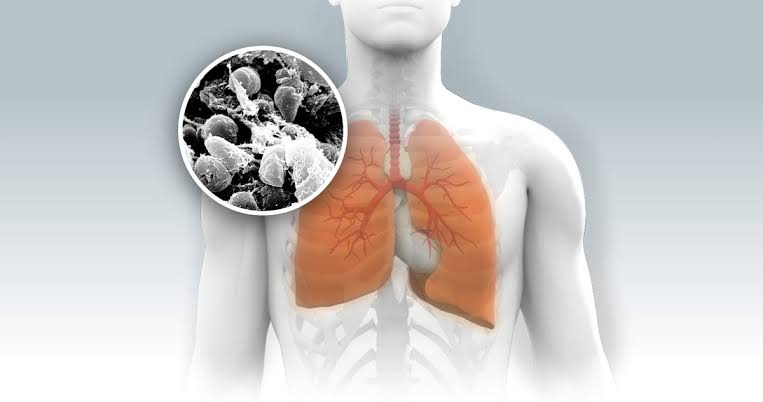
Pneumonic plague is a severe infection of the lungs caused by the bacterium Yersinia pestis.
It is one of three main clinical forms of plague, alongside bubonic and septicemic plague. Pneumonic plague is considered the most serious form because it can progress rapidly and, unlike bubonic plague, can spread directly between people through respiratory particles.
The bacterium is naturally maintained in populations of small mammals and their fleas. Humans can become infected through flea bites, contact with infected animals or tissues, and, in the case of pneumonic plague, inhalation of infectious respiratory particles.
Plague still exists today, although modern antibiotic treatment means it is no longer the almost-certain death sentence it once was.
How dangerous is pneumonic plague?
Pneumonic plague is extremely serious when treatment is delayed.
The World Health Organization says untreated pneumonic plague can become fatal rapidly, sometimes within 18 to 24 hours after symptoms begin. Early diagnosis and appropriate antibiotic treatment can dramatically improve the chances of survival.
The danger comes partly from how quickly the infection can damage the lungs and impair breathing.
A person can develop severe pneumonia, shortness of breath, chest pain, and coughing, sometimes accompanied by bloody or watery mucus. Fever, headache, weakness, and other systemic symptoms can also occur.
Because the disease can deteriorate so quickly, suspected cases require urgent medical evaluation.
How does pneumonic plague spread?
Pneumonic plague can spread from person to person through infectious respiratory particles released when a sick person coughs or sneezes.
This is the major reason it differs from the more common bubonic form of plague.
Bubonic plague usually begins after an infected flea transmits Yersinia pestis. The bacteria then travel to nearby lymph nodes, which can become painfully swollen and develop into characteristic “buboes.”
Bubonic plague is not normally transmitted directly between people.
If the infection spreads into the lungs, however, a person can develop secondary pneumonic plague. Primary pneumonic plague can also occur after inhaling infectious particles.
How quickly do symptoms appear?
The incubation period can vary.
According to the WHO, people infected with Yersinia pestis commonly develop symptoms within one to seven days. In pneumonic plague acquired through inhalation, symptoms can appear particularly quickly, sometimes in as little as 24 hours.
Early symptoms may resemble other serious respiratory infections.
These can include fever, headache, weakness, chest discomfort, cough, and increasing difficulty breathing.
The rapid progression is one reason doctors need to consider a patient’s travel history, exposure to animals or infected people, and other risk factors when evaluating a suspected case.
What are the symptoms of pneumonic plague?
The illness can develop suddenly and become severe in a short period.
Common symptoms include:
- Fever and chills
- Headache and profound weakness
- Shortness of breath
- Chest pain
- Rapidly developing pneumonia
- Cough, sometimes with bloody or watery sputum
The symptoms are not unique to plague. Influenza, severe bacterial pneumonia, COVID-19, and other respiratory diseases can produce some overlapping signs.
That is why laboratory testing is necessary to confirm Yersinia pestis infection.
How is pneumonic plague diagnosed?
Doctors generally consider both symptoms and the patient’s exposure history.
Laboratory testing is required to confirm plague. Depending on the form of the infection, samples of blood, sputum, or material from a swollen lymph node can be examined for evidence of Yersinia pestis.
Rapid diagnosis is particularly important in suspected pneumonic cases because treatment delays can be dangerous.
Healthcare workers managing a suspected pneumonic-plague patient also need appropriate infection-control precautions because close respiratory exposure can put others at risk.
Can pneumonic plague be treated?
Yes.
Pneumonic plague is treatable with antibiotics, and early treatment can save lives.
Doctors may use antibiotics that are effective against Yersinia pestis, with the specific medication selected according to the patient’s condition, local guidance, and other medical considerations.
Treatment should begin as soon as plague is suspected rather than waiting for every laboratory result when the clinical circumstances strongly point toward the disease.
Patients with suspected pneumonic plague may also require supportive medical care because the infection can cause severe respiratory illness and other complications.
Why is treatment timing so important?
Pneumonic plague can progress far faster than many ordinary respiratory infections.
Once severe pneumonia and systemic illness develop, the body can deteriorate rapidly.
The WHO specifically emphasizes early diagnosis and treatment, noting that untreated pneumonic plague can be fatal within a very short period.
That is why recognizing the possibility of plague early matters more than waiting for symptoms to become unmistakable.
In a suspected case, healthcare professionals may begin appropriate therapy while diagnostic tests are still being processed.
Is pneumonic plague contagious?
Yes, but transmission requires the right circumstances.
A person with pneumonic plague can release infectious respiratory particles, creating a risk for people who have close contact with them.
This is why suspected patients are isolated and healthcare workers use appropriate protective equipment.
The disease is not considered something that spreads casually through the general population simply because one person has plague.
The risk depends heavily on the form of plague, the nature of exposure and how quickly an infectious patient is identified and treated.
What is the difference between pneumonic, bubonic and septicemic plague?
All three forms are caused by the same bacterium, but they affect the body differently.
Bubonic plague
Bubonic plague is the most common form. It is usually acquired through the bite of an infected flea.
The bacteria travel to the lymphatic system, causing painful swollen lymph nodes known as buboes.
Without treatment, bubonic plague can sometimes spread to the bloodstream or lungs.
Septicemic plague
Septicemic plague occurs when Yersinia pestis infects the bloodstream.
It can cause fever, chills, extreme weakness, abdominal symptoms, shock and tissue damage. Severe cases may lead to multiple organ failure.
It can develop directly after exposure or as a complication of another form of plague.
Pneumonic plague
Pneumonic plague affects the lungs and is the only form that can routinely spread directly from person to person through respiratory particles.
It can develop when plague spreads to the lungs from another form of infection or after inhalation of infectious particles.
It is the most rapidly dangerous form and requires immediate medical treatment.
Does pneumonic plague still occur today?
Yes, but human plague is rare.
The bacterium remains present in wildlife ecosystems in various parts of the world, particularly where certain rodents and fleas maintain natural transmission cycles.
The WHO says that during 2019 through 2025, most reported human plague cases occurred in the Democratic Republic of the Congo and Madagascar.
Plague has also been reported elsewhere, including parts of Asia and the Americas.
Human cases therefore still occur, but modern surveillance, antibiotics and public-health measures have dramatically changed the outlook compared with historical pandemics.
Is the plague the same disease as the Black Death?
Yes, the Black Death was caused by Yersinia pestis.
The pandemic that devastated Europe in the 14th century is estimated to have killed tens of millions of people.
But the medical environment was radically different.
Medieval societies had no antibiotics, modern microbiology, established infection-control practices or rapid diagnostic systems.
Today, plague is a serious but treatable bacterial infection when identified early.
The historical association with the Black Death can therefore make modern reports sound more catastrophic than the current medical reality warrants.
What happened in Siberia?
The recent case in Irkutsk has raised concern because the deceased woman worked at a research institute specializing in plague.
Russian authorities have said no laboratory accident has been detected and that the sanitary and epidemiological situation in Irkutsk and the nearby city of Shelekhov remains stable.
Around 200 people were reportedly identified for monitoring or quarantine following the death.
Authorities have said no new plague infections have been confirmed among those being monitored. The WHO has likewise said it has received no indication of further infections and is awaiting additional information from Russian authorities.
The exact cause of the woman’s pneumonia remains under investigation.
Does the Siberian case mean there is a plague outbreak?
No confirmed evidence currently supports that conclusion.
The fact that the patient worked at a specialized anti-plague institute has naturally attracted attention, but employment at a research facility does not establish that an infection came from laboratory exposure.
Russian health authorities have specifically said they found no evidence of an accident at the institute.
Until laboratory and epidemiological investigations establish the cause of the illness, it is more accurate to describe the situation as a pneumonia-related death under investigation, with pneumonic plague among the concerns being examined.
Who is most at risk from plague?
Risk varies depending on exposure.
People living or working in areas where plague occurs naturally can face greater risk through contact with infected rodents, fleas or animal tissues.
Laboratory personnel who routinely work with Yersinia pestis are also considered a higher-risk group, which is why specialized facilities use strict containment and safety procedures.
Healthcare workers can face an additional risk when treating a patient with pneumonic plague, particularly before the diagnosis is recognized and appropriate precautions are in place.
For the general public in locations without active transmission, the risk is generally low.
Is there a plague vaccine?
Vaccination is not routinely recommended for the general population.
The WHO recommends vaccination for certain high-risk groups, including some laboratory personnel who face repeated occupational exposure and selected healthcare workers.
Public-health measures such as controlling exposure to infected animals and fleas, avoiding contact with potentially infected tissues and using appropriate protective equipment around suspected pneumonic-plague patients remain important.
How is a pneumonic plague outbreak controlled?
Public-health authorities focus on quickly identifying the source and preventing further transmission.
A suspected pneumonic-plague patient would be isolated while diagnostic testing is conducted. Close contacts can be identified and monitored, and preventive antibiotics may be offered to people considered at risk of exposure.
Healthcare workers use infection-control measures when caring for suspected or confirmed patients.
Authorities may also investigate potential animal or flea sources when the infection is believed to have originated in the environment.
The goal is to break the transmission chain as early as possible.
Should the public be worried about pneumonic plague right now?
For the general public, the current risk remains low based on the information available from the WHO and Russian authorities.
There is no confirmed evidence that the Irkutsk case represents a wider community outbreak of pneumonic plague.
That does not make the disease harmless. Pneumonic plague is a medical emergency when it occurs and can become fatal quickly without treatment.
But its rarity, the availability of effective antibiotics and modern public-health surveillance mean that a single suspected or unexplained case should not automatically be interpreted as the beginning of a new Black Death.
What should people remember about pneumonic plague?
The disease is rare, severe and treatable.
Its greatest danger is the speed with which a lung infection can worsen, especially when diagnosis and treatment are delayed.
For the general public, the most important distinction is between understanding the disease and assuming that every unexplained pneumonia case is plague.
The Siberian incident remains under investigation, and there is currently no confirmed evidence that the death was caused by laboratory-acquired plague or that a community outbreak has begun.
Pneumonic plague belongs to an extraordinary chapter of medical history, but it is also a living disease with a well-established modern response: rapid recognition, laboratory confirmation, isolation when necessary, and prompt antibiotic treatment.