
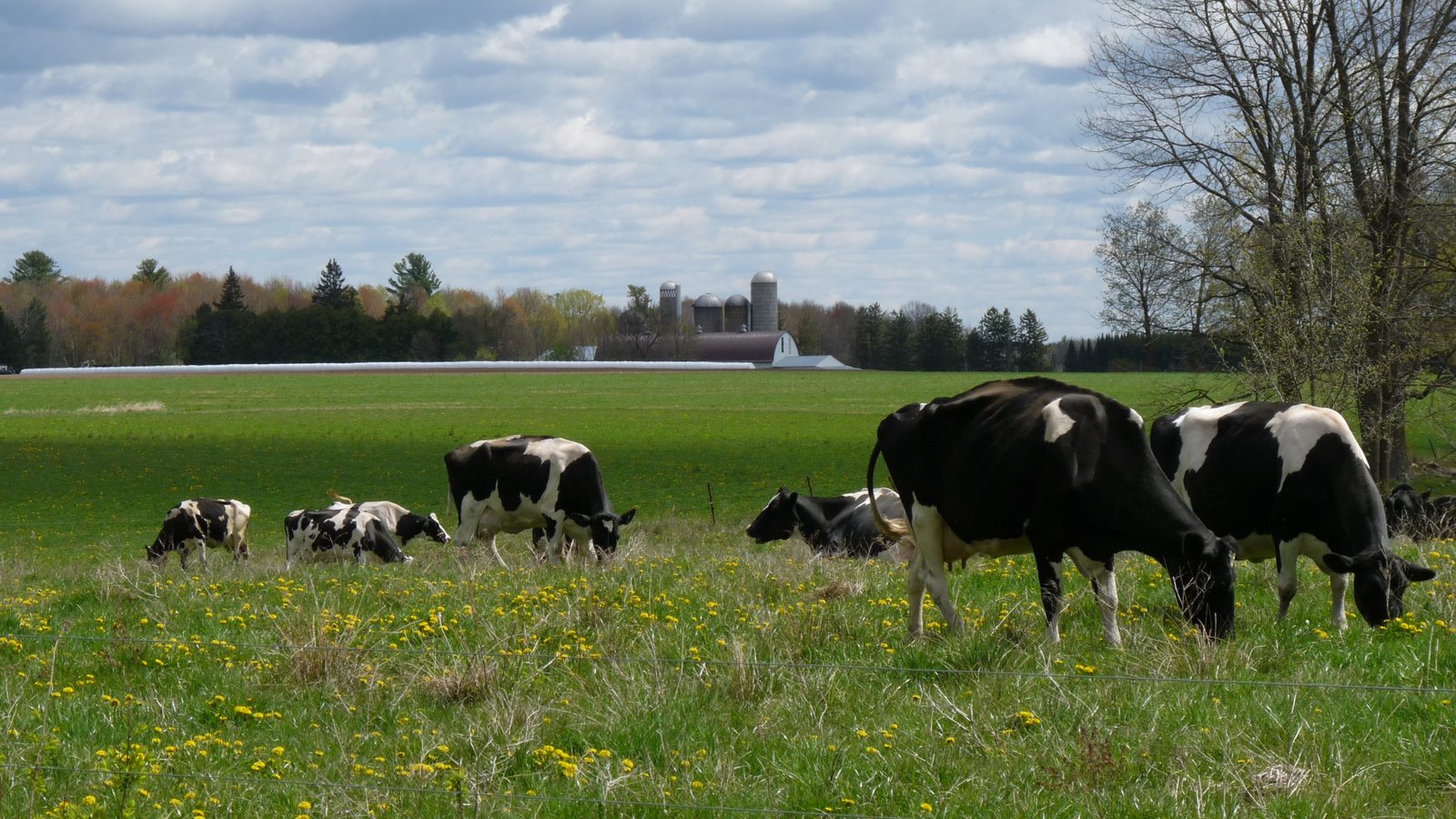

The first Washington bird flu death tied to dairy cattle came on November 1. A Yakima County resident who caught avian influenza after exposure at a dairy with infected cows died in the hospital, the Yakima Health District said.
The person had underlying health conditions. Out of respect for the family, the district is not releasing their name, gender or age.
UPI reported that this appears to be the first US bird flu death of 2026 and the third on record. Health officials say the risk to the general public remains low. They also say pasteurized milk and dairy products remain safe.
The case stands apart for one reason. Both earlier US deaths followed contact with backyard birds, while this one traces to dairy cows. It comes from an outbreak that reached dozens of Washington herds in three weeks.
Three human cases in two and a half weeks
The health district has now reported three human cases in Yakima County. All three followed contact with infected dairy cattle.
The district announced the first on October 15. That person was not severely ill and isolated at home.
The second came on October 31. The district said that resident was in the hospital with severe illness and had underlying health conditions. The next day, it said the hospitalized resident had died.
The same November 1 release reported a third case. That resident also had contact with infected cattle at a county dairy, but has had no severe illness and no hospital stay.
“Avian influenza can cause severe illness, particularly among people who have underlying health conditions,” Dr. Dave Atteberry, the district’s health officer, said in the release. “While this is a serious and heartbreaking outcome, the risk to the general public remains low.”
Washington Gov. Bob Ferguson offered his sympathy to the family, according to UPI. He said his team was working closely with public health and agriculture officials. “Workers at affected farms are advised to take safety precautions, but the risk to the public remains low,” Ferguson said.
Public health teams are watching the close contacts of the patient who died for symptoms. They are also tracing contacts of the third case. The district says human-to-human spread of bird flu is extremely rare and has never occurred on record in the US.
From 2 herds to 34 in three weeks
The outbreak in cattle is moving faster than the human cases. The Washington State Department of Agriculture (WSDA) confirmed the state’s first H5N1 cases in dairy cattle on October 8, at two Yakima County farms.
We added up the department’s confirmation table. By October 29, 34 Washington dairy herds had tested positive. Of those, 33 are in Yakima County and one is in neighboring Benton County.
Half of them, 17 herds, came on a single day: October 23. Other confirmations followed on October 15, 16, 21, 27 and 29.
Genetic sequencing from the first two farms points to B3.13, according to WSDA. That cow-adapted strain has circulated in US dairy cattle since spring 2024. The department says it sees no evidence of mammalian adaptation or human-to-human spread. The health district has not said which subtype infected the three residents.
Sick cows can produce thick, yellowish milk, eat less and run a fever, WSDA says. Most recover with supportive care in about six weeks. People can catch the virus from infected animals’ body fluids, “including milk or feces,” the department warns.
How this death compares with the first two
The CDC reported the first US death, in Louisiana, on January 6, 2025. It called that patient “the first person in the United States who has died as a result of an H5 infection.”
That patient was over 65 and had underlying conditions, PBS NewsHour reported. They had contact with sick and dead birds in a backyard flock.
The second death was also in Washington. A Grays Harbor County resident died on November 21, 2025, of H5N5, a different subtype. The state Department of Health said it was the first recorded human H5N5 infection anywhere. That patient, an older adult with underlying conditions, had a backyard flock of mixed domestic birds.
All three people who died had underlying health conditions. Only the Yakima case links to cattle.
The CDC’s situation summary, last updated October 15, counts 72 human H5 infections in the US since 2024. It says sporadic cases have occurred in dairy and poultry workers. It rates the current public health risk as low.
Pasteurized milk is safe, and raw milk is the risk
Health officials answer the milk question plainly. “Pasteurized milk and dairy products remain safe to consume,” the Yakima Health District said on October 31. “Pasteurization inactivates avian influenza virus and other harmful pathogens.”
The FDA says it is confident that pasteurization works against H5N1. In its dairy investigation, all 464 pasteurized dairy products it sampled tested negative for live virus. Research the agency cites found that heating raw milk to 140°F for at least 10 seconds inactivated the virus.
Raw milk is the exception. The health district tells people to avoid raw milk and other unpasteurized dairy, since it may carry harmful germs, including bird flu.
It also advises against feeding pets raw milk, unpasteurized dairy or raw meat, including raw pet food. Cats, it says, are especially susceptible to H5N1.
A USDA federal order from December 2024 requires nationwide testing of raw milk to find infected herds, according to WSDA. That testing helps officials spot outbreaks on farms. For shoppers, pasteurization remains the safeguard.
Who faces the most risk, and what officials advise
Dairy workers face the greatest risk, the health district says. So do others with close or prolonged contact with infected animals or contaminated places. The virus infects people when it gets into the eyes, nose or mouth, the district said on October 15.
Symptoms can include red or irritated eyes, fever, cough and sore throat. Other possible signs include a runny or stuffy nose, body aches, headache and fatigue. Illness can range from mild to severe.
On farms with suspected or confirmed H5N1, WSDA recommends goggles, disposable gloves and an N95 respirator. It also lists a head cover, fluid-resistant coveralls and rubber boots. The state offers commercial dairies a one-time supply of gloves, masks and eye protection on request.
Atteberry has urged dairy workers to “answer calls and respond to text messages from public health officials.” That way, he said, the district can check on their health and connect them with care.
The district also urges a seasonal flu shot for everyone six months and older. The shot will not prevent bird flu, it says. It does cut the risk of catching human and bird flu at the same time.
Our guide to this year’s early flu season and the flu shot covers who should get one now. For why scientists watch bird flu in mammals so closely, see our explainer on the Utah mink farm outbreak.
The Yakima Health District plans to post updated human case counts every Monday and Thursday at 2 p.m. The next scheduled updates fall on November 2 and November 5.