
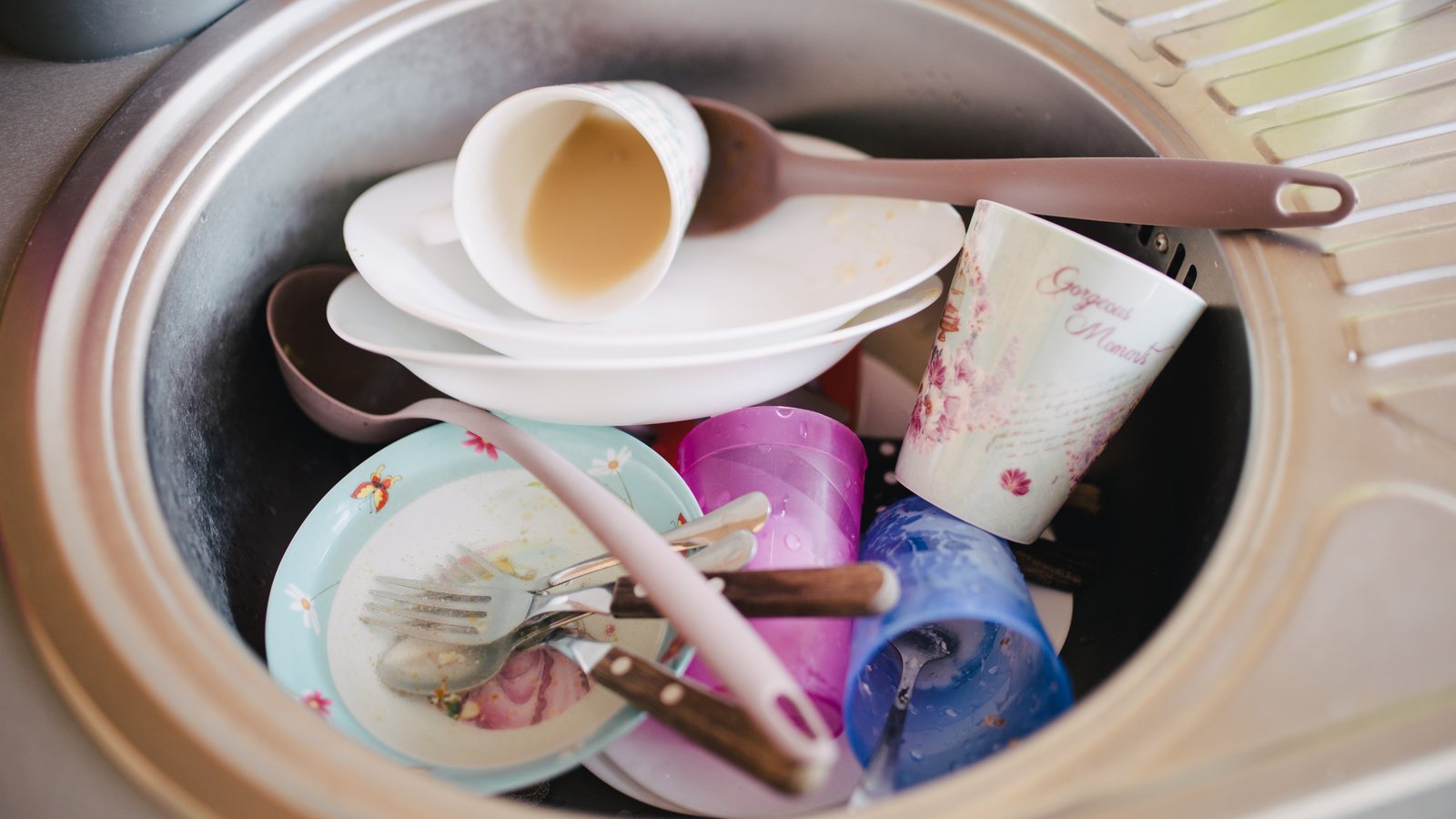

Airbnb hosts can no longer make guests wash and put away dishes, strip the beds, start laundry or haul trash off the property. The ban covers every reservation booked on or after November 20, 2026, under Airbnb’s new “reasonable house rules and requests” policy.
The policy rules out any task that takes “significant effort or time, or would typically be performed by a cleaner.” That is welcome news for anyone who paid a $100-plus cleaning fee and then found a chore list on the fridge. Hosts also lose the power to fine guests, add rules by message after you book, or hand you a contract at the door.
The line falls at work a cleaner would normally do
Airbnb laid out the change on October 20 in a post on its host Resource Center. It also emailed hosts, WIRED reported. The “can’t” wording below comes from the help-center policy, and the “can” wording from the Resource Center post.
| Chore | Hosts can’t require | Hosts can still ask |
|---|---|---|
| Dishes | “Washing and putting away dishes” | To “put used dishes in the sink” |
| Beds and laundry | “Stripping the bed” or starting a wash | To “gather used towels” |
| Trash | “Taking trash offsite” | To sort trash and recycling into indoor bins |
| Amenities | Not using a listed amenity like the AC | To turn the AC off when you leave |
| Locking up | No change | “Lock up at checkout” stays a standard house rule |
The wording carries a distinction that matters. House rules, such as quiet hours, pet limits and locking up, bind guests. Everything else is only a request, and the policy says guests “must follow” house rules but should simply try to honor requests. So even an allowed ask, like dishes in the sink, carries no penalty if you skip it.
Airbnb kept some room for local conditions. Hosts may still ask guests “to limit shower time due to local drought-related water restrictions,” the policy says. They may also ask guests “to dispose of trash in an animal-proof container in bear country.”
Your cleaning fee now has to cover the cleaning
The rule targets the double charge that made chore lists so unpopular. A host could bill a cleaning fee and still hand guests much of the work.
Airbnb says cleaning fees should cover standard turnover jobs like laundry and vacuuming. Hosts can’t “charge guest fees for failing to perform specific cleaning or checkout tasks,” according to Airbnb guidance quoted by WIRED. The new policy also bans hosts from imposing “fines or other penalties on guests.” Fees for any advertised feature have to appear in the price you see when you book.
That fits a longer push on pricing. Airbnb has shown total prices, fees included but before taxes, by default worldwide since May 2025, TechCrunch noted. In the US, the FTC’s rule on unfair or deceptive fees took effect on May 12, 2025. It requires short-term lodging sites to display the total price whenever they show any price.
Hosts still have tools. WIRED notes they can leave guest reviews “based on cleanliness.” Real damage, like a stained mattress or a smoke smell, goes through Airbnb’s AirCover claims, not a chore list.
Airbnb first asked for “reasonable” checkout tasks in 2022
Airbnb has tried to rein in checkout chores before. This time it built the limit into the software.
In a November 2022 newsroom post, Airbnb said guests “should not have to do unreasonable checkout tasks.” It named stripping beds, laundry and vacuuming. Turning off the lights, throwing food in the trash and locking the doors counted as fair. Airbnb attached no penalty. Its 2023 Summer Release then let hosts build checkout lists from “a pre-set list of common tasks.”
The 2026 version has teeth. Airbnb’s Listing editor now flags requests that break the policy. One host shared a screenshot in a Facebook group showing a red pop-up: “Guests shouldn’t be asked to do this task.” The Save button wouldn’t work, WIRED reported.
Checkout instructions also lose their separate tab. Every rule and request now sits in one “House rules and requests” section. Hosts can’t add new ones through other listing fields, signs in the home or messages after booking.
Hosts are threatening to unlist
The backlash came fast. “Guests are given complete freedom to be lazy while the hosts bear the risk,” one host wrote in Airbnb’s community forum, as quoted by TechCrunch. The host, on the platform for twelve years, said the change could push them to leave.
In Reddit threads and Facebook groups, WIRED found hosts drafting letters to executives and weighing price rises. One called for a platform-wide strike. “Even if we all unlist our properties for just a day or two, we can send a powerful message,” that host wrote. Others floated moving rules into other listing fields, which the policy explicitly bans.
Guests see it differently. One self-described “mostly guest” told hosts on Reddit they would gladly run the dishwasher. “Just don’t charge me a cleaning fee over $100 then,” they wrote, according to WIRED.
What to do if a host still hands you a chore list
Start with your booking date. Airbnb’s help center says rule changes “will only apply to future reservations received after the changes.” A trip booked before November 20 keeps the house rules that were on the listing when you booked, even for a December stay.
For bookings from November 20, a host can’t require the banned tasks or charge you for skipping them. When you rate a stay’s accuracy, you can cite “unexpected or excessive rules or requests.” Airbnb says it may remove listings that keep drawing low ratings over unreasonable requests. Guests may also see an alert such as “includes cleaning requests” on a listing that hasn’t fixed a flagged problem.
Fights over what hosts can bill guests aren’t new, as the guest asked to pay $10,000 over a selfie found last year. The change also lands while CEO Brian Chesky is starting a separate AI company.
The first bookings under the new policy arrive on November 20. That’s when hosts will learn how strictly Airbnb’s Listing editor polices the line between a request and a chore.