TL;DR
Mattel has introduced a Barbie doll with type 1 diabetes, complete with a glucose monitor and insulin pump, aiming to reflect the real-world medical experiences of many children and support inclusivity in playtime.
What’s New: Barbie Gets Real About Diabetes
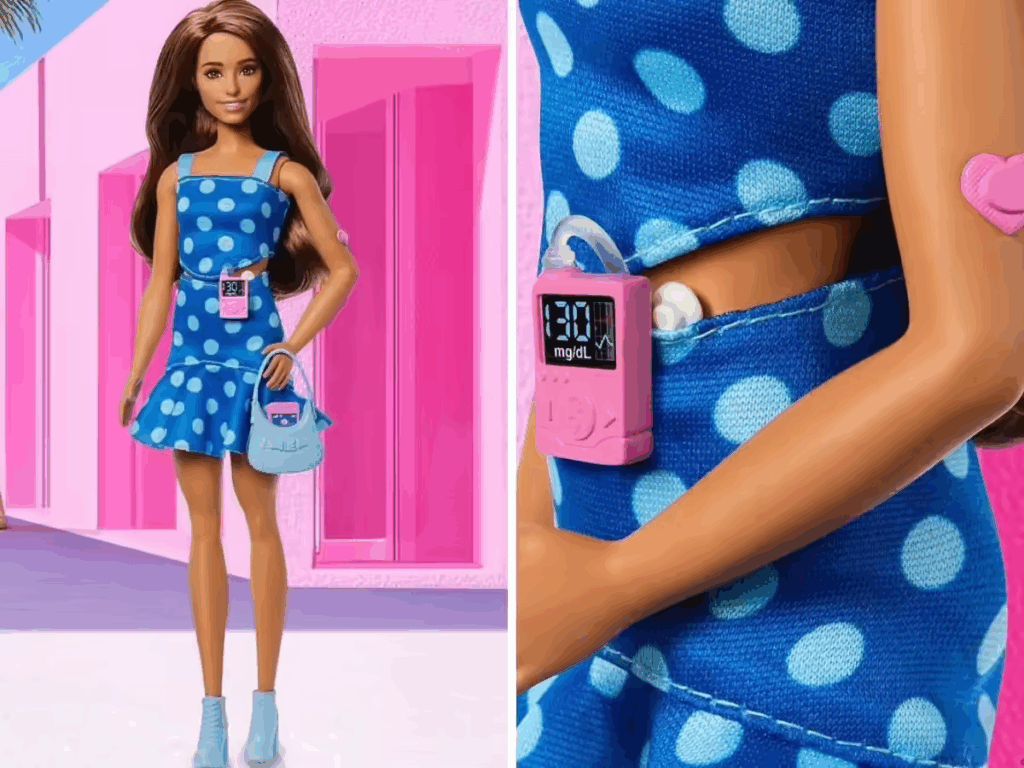
Barbie just got more inclusive. Mattel has launched its first Barbie doll with type 1 diabetes, part of the ever-expanding Barbie Fashionistas line. The doll comes equipped with a continuous glucose monitor (CGM) on her arm, an insulin pump on her waist, and a pink medical bag roomy enough for snacks and diabetes supplies.
This isn’t a standalone marketing stunt, it’s a carefully developed project in partnership with the diabetes nonprofit Breakthrough T1D (formerly JDRF), aimed at bringing visibility to children living with chronic conditions.
Why a Type 1 Diabetes Barbie Matters
Barbie has long been more than just a toy—she’s a cultural mirror. And for the estimated 1.24 million children in the U.S. with type 1 diabetes, the launch of this doll represents more than play. It’s about recognition, validation, and normalization.
“Barbie helps shape children’s early perceptions of the world,” said Krista Berger, SVP of Barbie and global head of dolls at Mattel. “By reflecting medical conditions like T1D, we ensure more kids can see themselves in the stories they imagine.”
Parents, advocacy groups, and medical professionals have echoed this sentiment. “For children with T1D who don’t often see themselves represented, this doll will be a powerful role model,” said Karen Addington, CEO of Breakthrough T1D UK.
What Is Type 1 Diabetes?
Type 1 diabetes (T1D) is an autoimmune condition where the body mistakenly attacks insulin-producing cells in the pancreas. Without insulin, the body can’t regulate blood sugar levels properly.
Key facts:
- Usually diagnosed in childhood or adolescence
- Requires daily insulin administration
- Children must monitor blood glucose levels frequently
The Barbie doll reflects these realities, wearing a CGM (a real-world device that continuously tracks glucose) and an insulin pump that helps regulate it.
Authentic Design Through Collaboration
To make the doll medically accurate and emotionally meaningful, Mattel teamed up with Breakthrough T1D. This collaboration ensured the CGM and insulin pump designs were both true-to-life and visually appealing. The CGM is even designed with a heart-shaped pink patch, and the insulin pump features a functional app display—just like the real devices kids use.
Berger added, “We worked closely with medical advisors and families to get it right, from the look of the tech to the size of the accessories.”
Diversity Has Been Central to Barbie’s Reinvention
This is not Barbie’s first foray into inclusivity. The Fashionistas line now features over 175 dolls with different skin tones, body types, hair textures, disabilities, and medical devices—including dolls with hearing aids, vitiligo, and even prosthetic limbs.
Mattel is catching up with the broader demand for toys that reflect real life. Brands like Lottie Dolls and American Girl have also introduced dolls with medical conditions, but Barbie’s global reach makes this particular launch highly influential.
What Parents and Caregivers Should Know
The launch isn’t just symbolic—it’s educational. Here’s how parents can maximize the impact of this doll:
- Normalize the conversation: Use the doll as a springboard to talk about chronic conditions.
- Teach empathy: Whether your child has T1D or not, exposure to diverse representations can cultivate compassion.
- Pair with real-world resources: Organizations like JDRF or the CDC offer accessible, kid-friendly information.
Where to Get It
The doll is currently available on Mattel’s website and major U.S. retailers, priced similarly to other dolls in the Fashionistas range.
The Takeaway
Representation in toys isn’t just a marketing trend—it’s a psychological and social win. For kids managing a complex condition like type 1 diabetes, seeing themselves in their toys isn’t just exciting—it’s empowering.
As Barbie continues to evolve, it’s clear she’s not just keeping up with culture—she’s shaping it.