
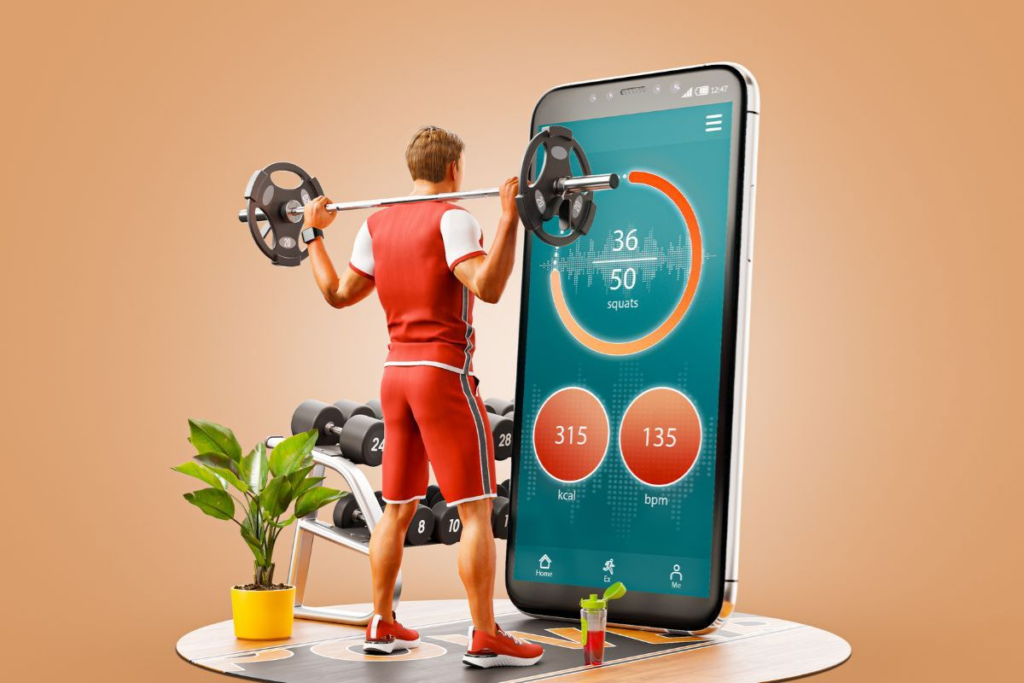
AI is quietly becoming the most consistent workout partner many of us have ever had.
The latest generation of AI home workout apps doesn’t just stream exercise videos; it tracks your performance, adapts difficulty in real time, recalculates calorie targets, and fine-tunes routines based on your feedback. No gym required.
Featured in 2026 reviews, here are five of the best AI-powered fitness apps transforming how people train at home, whether you’re doing bodyweight HIIT in your living room or lifting dumbbells in your garage.
Why Are AI Home Workout Apps So Popular in 2026?
Home fitness isn’t new. What’s changed is personalisation.
Modern AI workout apps use machine learning to analyse:
- Your performance history
- Recovery patterns
- Difficulty ratings
- Available equipment
- Training goals
Instead of following a static program, your plan evolves session by session. Miss a workout? The system adjusts. Feeling stronger? It increases intensity.
For readers interested in broader fitness trends, consider linking to our coverage of connected fitness tech or the rise of virtual personal training.
#1 Hoola: Your All-in-One Smart Coach
What Makes Hoola Stand Out?
Hoola positions itself as a complete smart fitness studio in your pocket.
It offers:
- Unlimited on-demand classes
- Guided strength and cardio sessions
- Real-time feedback during workouts
- An AI calorie-optimization engine
That calorie engine is a differentiator. It recalibrates your daily targets based on meals logged, sessions completed, or even missed workouts.
Who Is It Best For?
- People who want structure without hiring a trainer
- Users looking to balance exercise and nutrition
- Anyone trying to avoid workout plateaus
Hoola’s adaptive feedback loop helps prevent stagnation—a common problem with static home programs.
#2 Freeletics: Adaptive Bodyweight Training
How Does Freeletics’ AI Coach Work?
Freeletics has long been associated with intense bodyweight workouts. In 2026, its AI Coach has become even more responsive.
After each session, you rate the difficulty. The system then:
- Adjusts repetition counts
- Swaps exercises for lower- or higher-impact options
- Integrates optional run plans
- Modifies rest periods
This makes high-intensity interval training portable; no equipment is necessary.
Why It’s Ideal for Small Spaces
If you live in an apartment or travel frequently, Freeletics’ minimal-equipment model shines.
It’s especially appealing for:
- Beginners who need scalable difficulty
- Intermediate users who want cardio intensity
- Outdoor exercisers mixing runs and strength work
#3 Shred App: Custom Strength-Training Circuits
Why Shred Is Ranked Best Overall
Shred frequently tops “best workout app” lists because of how deeply it personalizes strength programs.
You start with a quiz covering
- Goals (fat loss, muscle gain, endurance)
- Experience level
- Equipment availability
From there, the app generates a dynamic program with:
- Progressive overload
- Suggested weights
- Exercise alternatives
- Ongoing performance adjustments
What Sets It Apart?
Unlike many fitness apps that stop at weekly adjustments, Shred evolves continuously as you log sessions.
It’s well-suited for:
- Users who want gym-style programming at home
- People transitioning from beginner to intermediate training
- Those who like structured progression
A side-by-side feature comparison between Shred and Fitbod would add clarity for readers choosing between strength-focused apps.
#4 Fitbod: Personalized Workouts Based on Your Gear
How Fitbod Uses Your Equipment
Fitbod’s core advantage is simple: it builds workouts around what you actually own.
Whether you have:
- Just your weight
- A pair of adjustable dumbbells
- Resistance bands
- A full home rack
Fitbod customizes sessions accordingly.
Why Progressive Overload Matters
The app analyzes logged performance data and adjusts volume and intensity weekly to promote progressive overload, a key driver of muscle growth and strength gains.
For readers unfamiliar with the concept, consider linking to a foundational article explaining progressive overload and why it matters in strength training.
Fitbod works particularly well for:
- Garage gym enthusiasts
- Users tracking strength metrics
- People focused on general fitness rather than niche athletic goals
#5 Arvo: Real-Time Adjustments for Serious Lifters
What Makes Arvo Different?
Arvo targets more advanced users who want precision.
The standout feature: set-by-set AI adjustments.
As you train, the platform modifies:
- Target reps
- Load recommendations
- Rest times
It supports multiple methodologies, including hypertrophy and strength-focused programming.
Is It Worth the Price?
At approximately €6 per month, Arvo is positioned as an affordable AI coaching option.
It’s best suited for:
- Intermediate to advanced lifters
- Data-driven athletes
- Users are comfortable tracking detailed performance metrics
How to Choose the Best AI Home Workout App for You
Not all AI workout platforms serve the same type of user.
Here’s a quick breakdown:
| Goal | Best Option |
|---|---|
| All-in-one guidance + nutrition | Hoola |
| Equipment-free HIIT | Freeletics |
| Structured strength progression | Shred |
| Gear-based customization | Fitbod |
| Advanced lifting precision | Arvo |
Before committing, consider:
- Your experience level
- Available equipment
- Budget
- Training goals
- Preference for guided classes vs. data-driven plans
Are AI Fitness Apps as Effective as Personal Trainers?
AI workout apps can:
- Deliver consistency
- Track metrics precisely
- Adjust programming automatically
- Provide scalable routines
However, they can’t fully replace:
- Hands-on form correction
- Injury assessment
- Personalized medical oversight
For beginners, AI apps are a cost-effective starting point. For advanced athletes or those with medical concerns, professional supervision may still be valuable.
The Bigger Trend: AI as Your Daily Fitness Coach
AI in fitness is moving beyond static workout libraries.
In 2026, these platforms increasingly integrate:
- Nutrition tracking
- Recovery scoring
- Sleep data
- Performance forecasting
The long-term shift isn’t just convenience, it’s personalisation at scale.
As wearable devices become more sophisticated, expect even tighter integration between biometric data and workout adaptation.
TL;DR
- AI home workout apps now adapt routines in real time.
- Hoola offers all-in-one coaching and calorie optimisation.
- Freeletics excels in bodyweight HIIT.
- Shred personalises structured strength training.
- Fitbod builds workouts around your available equipment.
- Arvo delivers set-by-set adjustments for serious lifters.