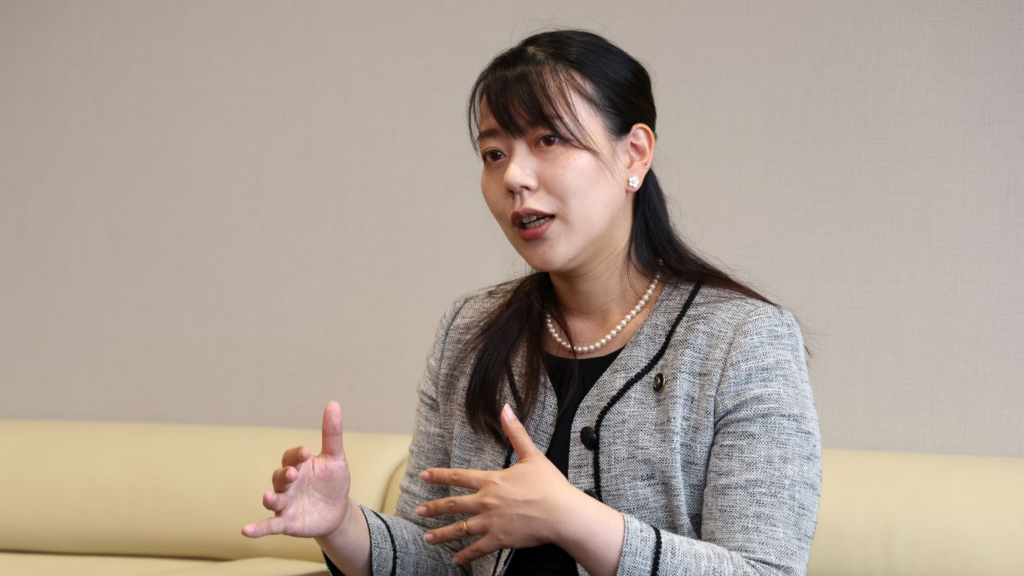
When 35-year-old Shoko Kawata announced she would take maternity leave ahead of the birth of her first child, the decision made national headlines in Japan. Not because maternity leave is unusual, but because elected officials in Japan have no formal legal framework that allows them to take such leave. The mayor of Yawata is set to become the first elected municipal leader in the country to take maternity leave, reigniting conversations about gender equality, workplace expectations, and the challenges women continue to face in public leadership roles.
Her decision comes at a time when Japan is grappling with a shrinking population, record-low birth rates, and persistent gender gaps across politics and the workforce.
Why is Shoko Kawata’s maternity leave making headlines?
Kawata, elected mayor in 2023, is expecting to give birth in mid-September and plans to take a total of 16 weeks off, including eight weeks before childbirth and eight weeks afterward.
While maternity leave is common across many professions, elected officials in Japan operate under a different system. There are currently no national rules that specifically outline how mayors, governors, or lawmakers can temporarily step away from office for childbirth or parental leave.
The absence of such guidelines has transformed what would ordinarily be a personal family decision into a broader political and social debate.
Kawata has said she hopes her decision will encourage discussions about modernizing political institutions and making leadership positions more accessible to women and parents.
A test case for gender equality in Japanese politics
The controversy surrounding Kawata’s leave highlights a longstanding issue in Japan: the underrepresentation of women in politics.
Despite being one of the world’s largest economies, Japan continues to rank behind many developed nations when it comes to female political participation.
Women account for less than 15 percent of seats in Japan’s lower house of parliament, according to international parliamentary data. Female representation in local government remains limited as well.
For many observers, the debate is not simply about one mayor taking time off. It is about whether political systems designed decades ago adequately reflect modern realities, including the growing number of women pursuing leadership positions while raising families.
Public reaction has been divided
Kawata’s announcement has generated mixed reactions.
Some critics on social media argued that elected officials should remain continuously available to voters and questioned whether taxpayers should fund a leader who is temporarily absent.
Others have strongly supported the decision, arguing that politicians should not be forced to choose between public service and parenthood.
Kawata herself has noted that many people she has spoken with directly have been supportive and understanding of her situation.
How will Yawata City operate during her absence?
To ensure continuity in city administration, Kawata plans to delegate day-to-day leadership responsibilities to a deputy mayor during her leave.
She has also indicated that she will remain informed about major developments and continue monitoring emails when necessary.
The arrangement mirrors practices commonly used in corporate and government organizations around the world, where temporary leadership transitions are implemented during parental leave periods.
Supporters argue that the ability to temporarily transfer responsibilities demonstrates institutional strength rather than weakness.
Why does this matter beyond one city?
Kawata’s maternity leave is drawing attention because it intersects with several major challenges facing Japan.
Japan’s declining birth rate
Japan is experiencing one of the world’s most significant demographic declines.
The country recorded just 671,236 births in 2025, marking the tenth consecutive year of falling birth numbers.
A shrinking population has created concerns about the following:
- Economic growth
- Labor shortages
- Pension sustainability
- Healthcare funding
- Long-term demographic stability
Successive governments have introduced policies aimed at encouraging family formation, but results have remained limited.
Critics argue that broader cultural and workplace reforms may be necessary to reverse the trend.
The pressure of Japan’s work culture
Experts often point to Japan’s demanding work culture as a major factor behind declining birth rates.
Long working hours, career pressures, and concerns about balancing work and family life have led many young adults to delay marriage and parenthood.
The issue is so deeply embedded in Japanese society that there is even a widely recognized term, karoshi, which refers to death caused by overwork-related health conditions.
Many analysts believe that improving work-life balance is essential if Japan hopes to address its demographic challenges.
The broader gender gap in Japan’s workforce
The discussion surrounding Kawata’s maternity leave also reflects broader disparities in labor force participation.
According to World Bank data, women’s participation in Japan’s workforce remains significantly lower than men’s.
While a majority of women are employed or seeking work, participation rates still trail those of men by a considerable margin.
Several factors contribute to the gap:
- Childcare responsibilities
- Career interruptions after childbirth
- Workplace expectations
- Limited representation in senior leadership positions
- Traditional gender role assumptions
Advocates argue that creating clearer parental leave protections for political leaders could send an important signal to employers and institutions across the country.
Could Kawata’s decision change the system?
Kawata has expressed hope that her decision will catalyze reform.
Her case is already prompting discussions about whether Japan should establish formal parental leave policies for elected officials at both local and national levels.
Supporters say such reforms could encourage more women to pursue political careers without feeling that motherhood and public service are mutually exclusive.
The debate also raises a broader question confronting many countries: Can governments effectively promote family-friendly policies if political institutions themselves struggle to accommodate parenthood?
For now, Kawata’s maternity leave represents more than a personal milestone. It has become a national conversation about leadership, equality, and how modern societies support those who choose to build both careers and families.
TL;DR
- Shoko Kawata, Japan’s youngest female mayor, plans to take 16 weeks of maternity leave.
- Japan currently has no formal framework allowing elected officials to take maternity leave.
- The decision has sparked debate over gender equality and women in political leadership.
- Japan recorded just 671,236 births in 2025, extending a decade-long decline in births.
- Experts say workplace culture, long hours, and gender disparities continue to affect family formation and workforce participation.
- Supporters hope Kawata’s move could encourage reforms that make politics more accessible to parents.