
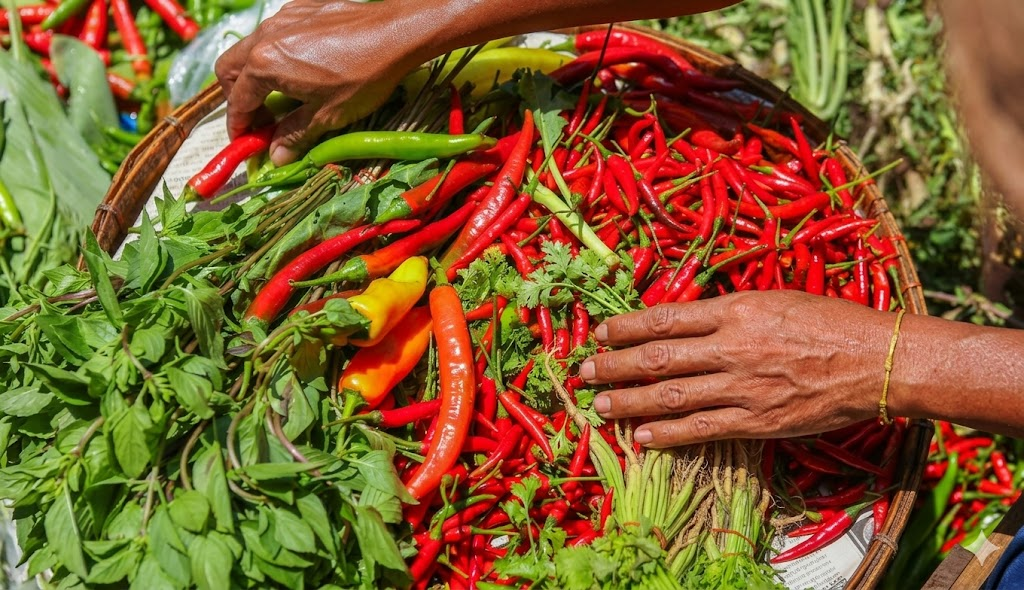
If you love heat in your food, there’s some intriguing science in your favor. Research over the past decade suggests a link between spicy food and longevity, particularly when it comes to heart health. But before you start adding extra chili to everything, it’s worth understanding what the evidence actually says—and what it doesn’t.
Does spicy food really help you live longer?
Short answer: There’s a correlation, not proof of causation.
A widely cited 2017 study from the University of Vermont, published in PLOS ONE, analyzed data from more than 16,000 Americans.
Key findings
- People who ate hot red chili peppers had a 13% lower risk of death overall
- Mortality rates were:
- 21.6% among chili eaters
- 33.6% among non-eaters
- Results held even after adjusting for age, lifestyle, and health factors
That’s a meaningful difference—but it doesn’t prove chili peppers are the cause.
What do larger studies say?
Follow-up research has strengthened the association.
2020 global analysis
Presented at the American Heart Association Scientific Sessions, this meta-analysis examined data from over 570,000 people across multiple countries.
Researchers found that regular chili consumption was linked to:
- 26% lower risk of death from cardiovascular disease
- 23% lower risk of cancer-related death
- 25% lower risk of death from any cause
Cardiologist Bo Xu noted that the results were surprising—but emphasized they don’t establish a direct cause-and-effect relationship.
2024 findings from China
A large study published in the Chinese Medical Journal tracked nearly 500,000 adults over 12 years.
- Eating spicy food at least once a week was linked to:
- Lower risk of cardiovascular disease
- However:
- No strong link to reduced stroke risk was found
Taken together, the data suggest potential benefits—but not certainty.
Why might spicy food be beneficial?
The likely answer lies in capsaicin, the compound that gives chili peppers their heat.
Potential health effects of capsaicin
- Improves metabolism
- Reduces inflammation
- Supports heart health by improving blood vessel function
- May help regulate blood sugar levels
Capsaicin has also been studied for its role in fat metabolism and appetite control.
Could lifestyle be the real reason?
This is where things get more complicated.
People who regularly eat spicy food may also:
- Follow diets rich in vegetables and whole foods
- Consume fewer ultra-processed foods
- Live in cultures with different eating patterns
In other words, chili peppers might be part of a broader healthy lifestyle, not the sole reason for longer life.
Are there any downsides to spicy food?
Yes, especially depending on individual tolerance.
Possible risks
- Acid reflux or heartburn
- Digestive discomfort
- Irritation in people with sensitive stomachs
For most people, moderate consumption is safe. But “more heat” doesn’t necessarily mean “more benefit.”
How much spicy food is enough?
There’s no universal guideline, but studies generally define “regular consumption” as:
- A few times per week
- Not necessarily extreme levels of heat
Consistency matters more than intensity.
What does this mean for your diet?
If you enjoy spicy food, the research offers a simple takeaway:
- It’s likely safe and potentially beneficial
- It may support heart health
- But it’s not a magic bullet for longevity
The bigger picture still matters:
- Balanced diet
- Physical activity
- Sleep and stress management
The bigger takeaway: small habits, long-term impact
The connection between spicy food and longevity fits into a broader pattern in nutrition science—small, consistent habits can influence long-term health.
Chili peppers alone won’t add years to your life. But as part of a healthy lifestyle, they might contribute in subtle ways.
TL;DR
- Studies link chili pepper consumption to lower mortality risk
- Benefits are strongest for heart health
- Capsaicin may play a role
- Evidence shows correlation, not causation
- Spicy food can be part of a healthy diet—but isn’t a cure-all