
TL;DR
- Japan’s “Rent a Grandma” service offers seniors over 60 a chance to earn income by providing companionship and help with everyday tasks.
- At about $23/hour, the service supports seniors financially and emotionally.
- Clients use the service for everything from home-cooked meals to emotional support during breakups.
- The concept highlights how Japan is coping with an aging society and the breakdown of traditional family structures.
What Is ‘Rent a Grandma’ in Japan and How It Started
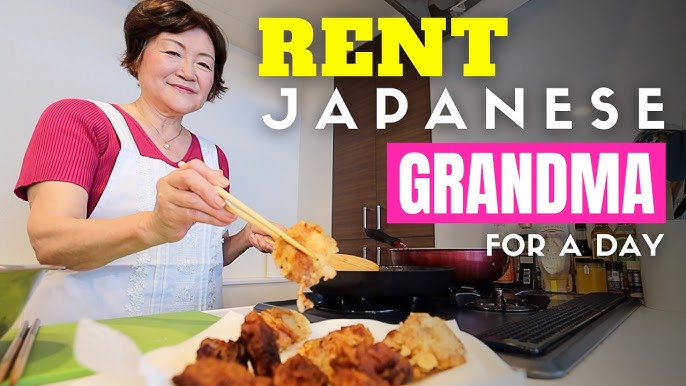
Japan’s “Rent a Grandma” service, operated by Client Partners and known locally as OK Obaachan, launched in 2011. It allows people to book women aged 60 to 94 for a variety of tasks—from cooking and helping at weddings to providing a comforting presence during breakups.
Unlike typical gig services, this platform provides emotional value, tapping into Japan’s deep respect for elders while addressing social fragmentation.
Why Seniors Sign Up—More Than Just Extra Income
Financial Pressure & Purpose
Japan’s senior population is rapidly growing. Nearly 1 in 4 people over 65 still work—many because pensions don’t cover rising living costs. This service offers a low-barrier way for older women to stay active and supplement their income.
But money isn’t the only motivator. Many grandmothers say they do it for a sense of purpose, or “ikigai” as it’s known in Japanese culture.
Social Connection & Self-Worth
Many elderly people, especially widows or those living apart from children, struggle with loneliness. Being able to share wisdom, cook, or just talk to someone younger provides both companionship and validation.
Why People Want to Rent Grandmas
Urban life in Japan often leaves little time for nurturing family bonds. People rent grandmas for:
- Learning how to cook traditional meals
- Receiving heartfelt advice on personal issues
- Filling a parental void at important life events
- Emotional support after a breakup or job loss
Unlike therapy or coaching, this service is informal, warm, and familiar—exactly what you’d expect from a loving grandma.
How Japan’s Model Fits Global Trends
Japan’s rental services extend beyond grandmas. The country has long had “rent-a-family” businesses offering actors to play partners, parents, or colleagues. The trend speaks to social gaps in modern urban societies.
Similar models exist in:
- South Korea: Rent-a-friend services for grieving or lonely individuals.
- France: Companionship services for the elderly.
- U.S.: Platforms like Papa and Rent-A-Grandma are offering in-home help with a personal touch.
Societal Impacts and Cultural Reflections
The “rent a grandma Japan” model challenges aging taboos and encourages valuing elder wisdom.
However, it also raises ethical questions:
- Is emotional labor becoming too transactional?
- Does this commodify relationships?
- How do we draw the line between help and hired intimacy?
Still, it’s a deeply human solution to a very modern problem—aging alone in crowded cities.
What the Future Holds
Expect this trend to grow. Japan’s senior population will soon make up over 30% of the country.
Potential next steps:
- App-based matchmaking for grandma tasks
- International expansion
- Government-sponsored services to reduce elderly isolation
Experts suggest integrating this into public eldercare systems to scale its benefits.