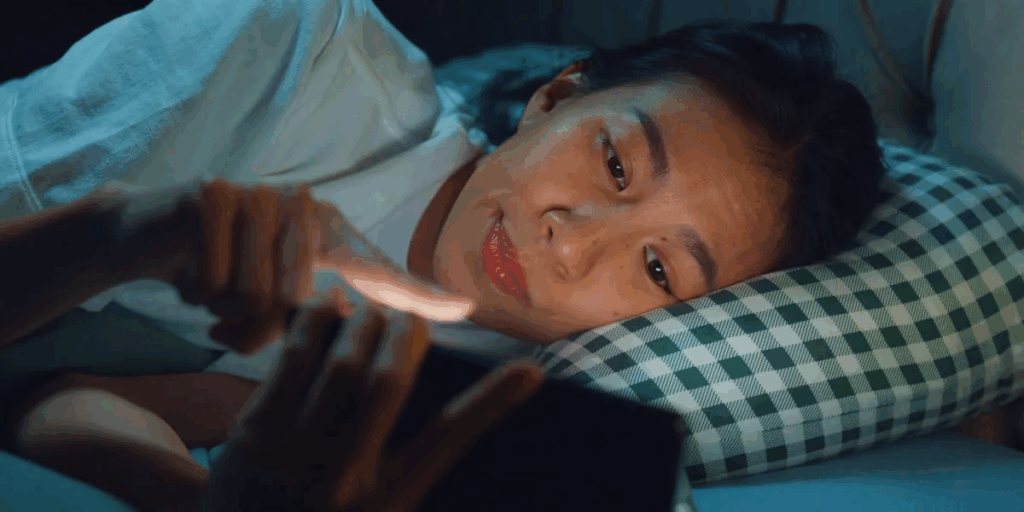
What is the “rat people” trend?
A growing number of young adults in China are embracing a new lifestyle movement called “rat people,” a term spreading across social platforms like Weibo, Douyin, and RedNote. The phrase refers to Gen Zers who have rejected the relentless pressure of modern work life and instead spend their days resting, lounging indoors, and avoiding the traditional corporate grind.
The trend emerged through videos, diary-style posts, and self-deprecating humor shared by creators documenting their slow-paced daily lives. One Douyin creator, known as @jiawensishi, has become the most recognizable figure associated with this movement. Her clips showing a “domestic rat” lifestyle, staying in bed, making simple meals, and doing minimal chores, have resonated with millions of viewers.
What appears on the surface as unproductive idleness is, for many, a coping mechanism and a cultural expression of discontent with the high-pressure expectations placed on China’s youth.
Why this lifestyle movement is gaining traction
China’s younger generations are facing an unprecedented combination of economic, cultural, and career-related strain. The “rat people” trend is emerging in direct response to these pressures, acting as a form of silent resistance to the fast-paced norms many feel trapped in.
For Gen Z, this shift reflects a desire for autonomy over their time and energy. With soaring competition in the job market, rising living costs, and limited social mobility, many young people feel that hard work no longer guarantees meaningful returns. The result is a cultural pivot away from chasing traditional markers of success.
Similar movements have appeared globally in recent years, from the United States’ “quiet quitting” to South Korea’s “Sampo generation.” The “rat people” lifestyle is China’s latest iteration of youth questioning the value of relentless productivity.
How the trend relates to China’s 996 work demands
China’s “996” work culture—working from 9 am to 9 pm, six days a week—has long been a source of controversy. Popular within tech companies and large corporations, the schedule is often celebrated by leaders as a badge of dedication. But for many young employees, it has led to chronic exhaustion, eroded mental health, and shrinking personal time.
The “rat people” lifestyle goes a step further than the “lying flat” movement of 2021, which encouraged minimal ambition as a protest against overwork. While “lying flat” suggested opting out of the race, “rat people” emphasise full retreat into rest, comfort, and low-pressure daily habits.
In this sense, the movement is less about laziness and more about boundary-setting. By withdrawing from the fast-paced corporate environment, participants are pushing back against a system they believe asks too much and gives too little in return.
Why Gen Z feels pushed toward extreme rest
Economic uncertainty plays a major role in shaping this lifestyle. China’s labor market has tightened significantly, with many young graduates struggling to find stable employment. Competition is fierce, wages often lag behind rising expenses, and high expectations from older generations add emotional strain.
In this environment, some young people feel that traditional career aspirations are increasingly out of reach. For them, choosing rest becomes a way to reclaim control when other avenues feel closed.
Psychological and emotional dimensions
Many supporters of the “rat people” trend argue that this form of disengagement is not apathy but self-preservation. It reflects:
- A reaction to prolonged burnout
- A rejection of unrealistic societal expectations
- A response to rising anxiety and job insecurity
- An attempt to restore balance in daily life
These motivations echo broader global discussions surrounding mental health, labor rights, and modern work culture.
Appeal of autonomy
Unlike earlier movements driven by collective ideology, the “rat people” trend is highly individualistic. Participants create routines based on their own comfort and capacity, free from the obligations of long workdays or social competition. This autonomy is deeply appealing to a generation raised with digital platforms that reward personal expression and lifestyle experimentation.
Why critics view the movement differently
While the movement has gained considerable support, it also faces criticism. Some see the trend as a dangerous withdrawal from society, arguing that it encourages passivity at a time when economic contributions are crucial. Others fear that romanticizing low-effort lifestyles may discourage resilience or ambition.
Chinese state media have occasionally framed similar youth movements as irresponsible or detrimental to national productivity, though official commentary on “rat people” specifically remains limited. Critics also point to the potential risks of long-term disengagement, noting that avoiding the workforce can worsen financial instability for young people already struggling with economic uncertainty.
Despite these arguments, many participants view the trend not as a permanent escape but as a temporary relief from overwhelming expectations.
How social media is shaping the movement
Platforms like Douyin and RedNote have become central to the spread of the “rat people” trend. Short-form videos documenting quiet, slow-paced days provide a sense of solidarity and validation for viewers experiencing similar pressures. This digital community normalizes rest as a legitimate response to stress and counters the prevailing glorification of overwork.
Content creators within the trend frequently use humor, self-deprecation, and candid storytelling to highlight the contrast between corporate demands and personal needs. These narratives resonate especially with younger women, who often face additional social expectations regarding success, stability, and family planning.
What this trend reveals about China’s shifting work values
The rise of the “rat people” movement signals a deeper cultural shift in how China’s youth perceive work and personal fulfillment. For decades, economic success in China has been tied to long hours, ambition, and rapid productivity. But for many young people, this equation no longer holds.
Several emerging values define this new mindset:
- Fulfillment over status
- Health over hustle
- Autonomy over conformity
- Sustainable routines over intense competition
These priorities reflect a broader generational reevaluation of what constitutes a meaningful life. As living standards rise and economic pressures shift, younger Chinese adults are increasingly exploring lifestyles that prioritize well-being and mental clarity.
Whether the “rat people” lifestyle will last
It remains unclear whether the trend will become a lasting cultural movement or fade as economic conditions change. But its rapid spread indicates that the concerns driving it are real and widespread.
Future developments to watch include:
- Shifts in China’s job market and youth employment rates
- Policy responses to burnout and overwork
- Evolving expectations for work-life balance within companies
- Growth of parallel movements that advocate alternative lifestyles
Even if the terminology fades, the sentiment behind the movement is likely to persist. China’s Gen Z is carving out new ways of asserting agency in a demanding environment, and their voices are increasingly shaping national conversations about work, well-being, and identity.