
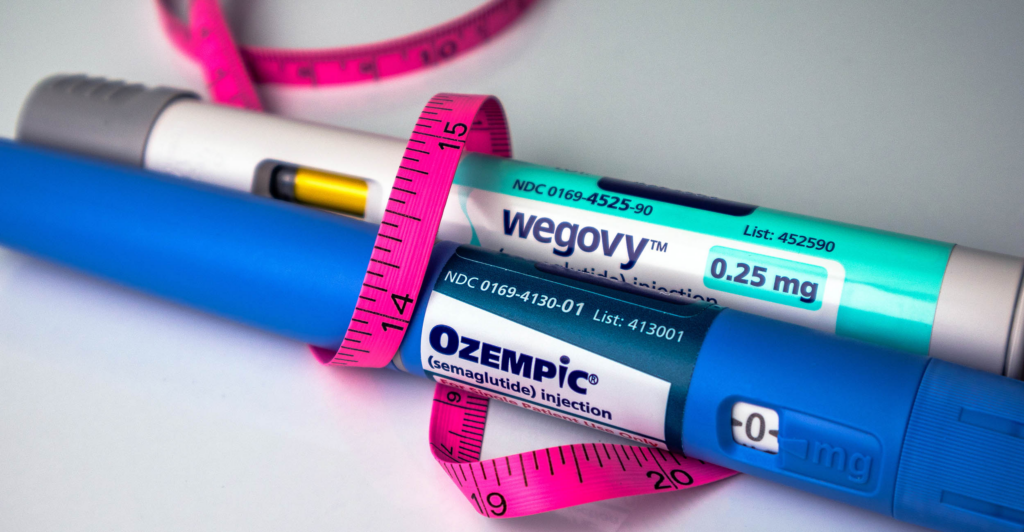
As GLP-1 weight-loss drugs move from medical offices into mainstream culture, many people are asking a simple but critical question: who are these medications actually meant for?
That question has become more urgent as celebrity and athlete involvement brings unprecedented attention to drugs like Ozempic, Wegovy, and Zepbound. Prescriptions have surged, social media is flooded with success stories, and demand continues to outpace supply in some areas.
Doctors say the popularity is understandable. But they also warn that growing interest has blurred the line between medical treatment and lifestyle experimentation.
TL;DR
GLP-1 drugs are approved for people with obesity or Type 2 diabetes, not casual weight loss. Physicians say they can be life-changing for the right patients but risky and unnecessary for others. Celebrity attention has increased awareness, but not everyone who wants these drugs should take them.
What Are GLP-1 Drugs Designed to Treat?
GLP-1 receptor agonists are prescription medications that mimic a naturally occurring hormone involved in appetite regulation and blood sugar control.
According to endocrinologists, these drugs were developed to address:
- Type 2 diabetes
- Clinical obesity
- Metabolic dysfunction tied to insulin resistance
They work by slowing digestion, reducing appetite, and helping regulate glucose levels. Weight loss is a therapeutic outcome, not a cosmetic goal.
Who Qualifies for GLP-1 Weight-Loss Drugs?
Under current medical guidelines in the US, doctors generally prescribe GLP-1 medications to people who meet one of the following criteria:
Here’s a breakdown of typical eligibility standards:
| Category | General guideline |
|---|
| Body Mass Index (BMI) | 30 or higher |
| BMI with conditions | 27+ with obesity-related conditions |
| Medical conditions | Type 2 diabetes, metabolic syndrome |
| Prior attempts | Documented difficulty losing weight through lifestyle changes |
Physicians stress that eligibility is based on health risk, not appearance or short-term goals.
Why Doctors Are Cautious About Off-Label Use
Off-label prescribing is legal and common in medicine, but GLP-1 drugs present unique challenges.
Doctors cite several concerns:
- Side effects that can be severe for some patients
- Long-term use is often required to maintain results
- Unknown effects after years or decades of use
- Supply shortages are affecting patients with medical needs
Gastrointestinal symptoms such as nausea, vomiting, and diarrhea are common, especially during dose escalation. In rare cases, more serious complications have been reported.
Physicians emphasize that these drugs are not risk-free, even when widely discussed online as “easy weight loss.”
Are GLP-1 Drugs Meant for People Who Want to Lose a Few Pounds?
This is where confusion is most common.
Doctors say GLP-1 medications are not intended for:
- Minor or cosmetic weight loss
- Short-term dieting
- Performance enhancement
- Body recomposition for already healthy individuals
Medical professionals worry that celebrity visibility can unintentionally suggest that these drugs are suitable for anyone seeking weight control, regardless of health status.
That perception does not align with clinical reality.
What Happens If You Stop Taking GLP-1 Drugs?
One of the least discussed aspects of GLP-1 therapy is what happens after discontinuation.
Doctors report that:
- Appetite often returns once medication stops
- Weight regain is common without continued treatment
- Long-term success usually requires ongoing use and lifestyle changes
This is why many physicians frame GLP-1s as chronic treatments, similar to blood pressure or cholesterol medications, rather than temporary solutions.
Why the Conversation Has Shifted So Quickly
Public awareness of GLP-1 drugs has accelerated due to:
- Celebrity and athlete involvement
- Direct-to-consumer telehealth platforms
- Social media before-and-after stories
- Cultural pressure around weight and wellness
Health experts acknowledge that increased visibility has reduced stigma around obesity and encouraged people to seek medical help. At the same time, they worry that simplified messaging leaves out nuance about eligibility and risk.
What Doctors Want Patients to Ask Before Starting GLP-1s
Physicians recommend approaching GLP-1 medications with informed caution.
Key questions to ask include:
- Do I meet medical criteria for these drugs?
- What are the short- and long-term side effects?
- How long would I need to stay on treatment?
- What happens if I stop?
- Are there alternatives that better fit my health profile?
Experts emphasize that the decision should be based on medical need, not cultural trends.
How This Fits Into the Bigger GLP-1 Conversation
As more high-profile figures talk about metabolic health, GLP-1 drugs are being reframed as part of a broader wellness movement. That shift has benefits, including awareness and access, but also risks oversimplifying complex medical decisions.
Doctors say education is the missing piece.
Understanding who these drugs are for helps ensure they remain available and effective for patients who need them most.
How This Impacts You and What You Should Do
If you’re considering GLP-1 weight-loss drugs, medical experts advise slowing down and getting clear information before acting.
What you should do:
- Consult a licensed physician, not just online testimonials
- Evaluate eligibility based on health, not appearance
- Understand long-term commitment and potential risks
- Separate celebrity influence from medical guidance
GLP-1 drugs can be powerful tools when used appropriately. Knowing whether they are right for you is the first and most important step.