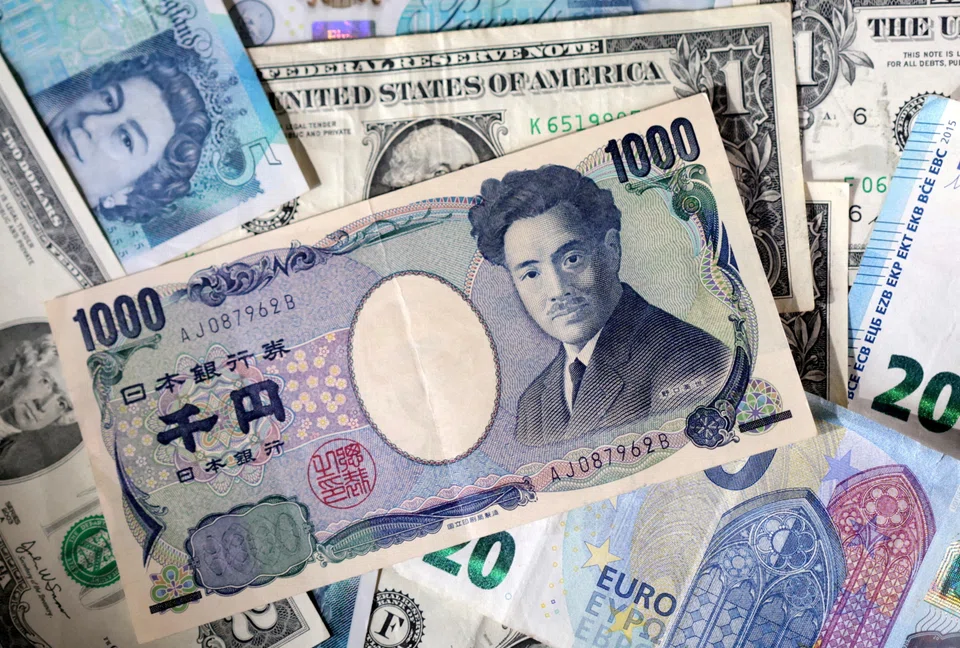
The Japanese yen is back at the center of global finance, and this time the stakes stretch far beyond Tokyo.
While headlines remain focused on Middle East tensions and oil prices, currency traders and central banks are closely watching Japan’s aggressive effort to stabilize the yen after another sharp slide against the US dollar. The move is reviving fears about the so-called “yen carry trade,” a massive flow of global money that has quietly powered everything from Wall Street investments to emerging-market rallies for years.
Now, cracks are beginning to appear.
What Is Happening With the Japanese Yen?
The Japanese yen surged sharply against the US dollar during early Asian trading on Monday after reports suggested Japan intervened heavily in currency markets.
According to multiple reports, Tokyo may have spent roughly 5.48 trillion yen, or about $35 billion, to slow the yen’s decline and defend the currency from further weakening.
The move came after the yen rapidly lost value against the dollar, approaching levels many analysts believe Japan considers politically and economically dangerous.
The sudden jump in the yen reflects more than a routine currency fluctuation. It signals growing concern inside Japan that prolonged weakness could destabilize both domestic markets and parts of the global financial system.
Why Is Japan Trying to Defend the Yen?
Japan has spent decades battling low inflation, weak consumer demand, and slow economic growth.
To support the economy, the Bank of Japan kept interest rates near zero for years, even while other central banks aggressively raised rates to fight inflation after the pandemic.
That policy created a huge interest-rate gap between Japan and the United States.
The problem with ultra-low Japanese rates
When Japanese borrowing costs remained extremely cheap, investors around the world began borrowing yen and investing the money elsewhere, especially in higher-yield US assets.
This strategy became known as the “yen carry trade.”
The formula looked simple:
- Borrow Japanese Yen at near-zero interest rates
- Convert the yen into US dollars
- Buy higher-yielding US bonds or assets
- Profit from the interest-rate difference
For hedge funds and institutional investors, it became one of the easiest trades in global finance.
But there was a catch.
As more investors borrowed and sold Japanese Yen, the Japanese currency weakened further. That made the carry trade even more profitable, creating a feedback loop that accelerated the yen’s decline.
Why the 160 Japanese Yen-Per-Dollar Level Matters
Currency markets often become psychological battlegrounds, and for Japan, the 160 yen-per-dollar level appears to be a major red line.
The yen previously weakened to nearly 162 per dollar in 2024, marking its lowest level in almost four decades. Japan responded with one of its largest interventions in years.
Many analysts believe Tokyo fears several consequences if the yen weakens too far:
- Imported inflation becomes more severe
- Energy and food prices rise sharply
- Consumer purchasing power weakens
- Capital outflows increase
- Speculative currency attacks intensify
A weaker yen also raises political pressure inside Japan because households begin feeling the pain through higher living costs.
Why Japan Intervened During Golden Week
Timing matters in currency intervention.
Japan’s current “Golden Week” holiday period creates unusually thin trading conditions in domestic markets. Lower trading volume can amplify the impact of government action because fewer participants are available to absorb large currency orders.
That makes intervention more effective against speculative traders betting on continued yen weakness.
Officials appear to be sending a broader message as well: Japan is willing to escalate from verbal warnings to direct market action.
In 2024, Japanese currency official Atsushi Mimura famously issued what traders described as a “final evacuation warning” before Tokyo entered the market to support the yen.
The phrase became symbolic of Japan’s increasingly aggressive stance toward currency speculation.
What Is the Yen Carry Trade and Why Does It Matter Globally?
The yen carry trade sounds technical, but its impact reaches deep into the global economy.
For years, cheap Japanese money helped fuel investments in:
- US Treasury bonds
- American tech stocks
- Emerging markets
- Corporate debt
- Global real estate
- Risk-heavy hedge fund strategies
That means sudden yen strength can create chain reactions across markets.
Here’s why traders are nervous
If the yen rises sharply:
- Borrowing in yen becomes more expensive
- Investors rush to repay Japanese loans
- Assets bought with borrowed money may get sold quickly
- Global liquidity tightens
That process is called an “unwinding” of the carry trade.
When large carry trades unwind rapidly, markets can become volatile very quickly. Investors may dump stocks, bonds, or speculative assets to cover currency losses.
Why US Federal Reserve Policy Matters So Much
Japan’s currency strategy depends heavily on what happens in Washington.
The Federal Reserve has kept US interest rates elevated to control inflation, which continues attracting global capital into dollar-denominated assets.
As long as US rates remain far above Japanese rates:
- The dollar stays attractive
- The yen remains under pressure
- Carry trades continue generating profits
That is why some analysts argue Japanese intervention alone cannot permanently stabilize the yen without support from changing US monetary conditions.
If the Fed eventually cuts interest rates, pressure on the yen could ease naturally.
But until then, Japan faces an expensive battle.
Could Japan Sell US Treasuries?
One of the biggest fears in financial markets involves Japan’s enormous holdings of US government debt.
Japan remains one of the world’s largest foreign holders of US Treasuries. If Tokyo needed additional firepower to defend the yen, it could theoretically sell some of those holdings to raise dollars.
That possibility worries markets because large Treasury sales could:
- Push US bond yields higher
- Increase borrowing costs
- Pressure mortgage rates
- Tighten global financial conditions
Even the suggestion of such sales can unsettle investors.
For now, there is no evidence Japan plans a massive Treasury liquidation. But traders are watching closely because the currency market and bond market are deeply interconnected.
Why This Matters Beyond Japan
The yen story is really about the changing structure of the global financial system.
For decades, ultra-cheap Japanese capital quietly supported risk-taking around the world. If that era begins fading, the consequences could ripple across multiple asset classes.
This is especially important because markets are already dealing with:
- High geopolitical tension
- Elevated oil prices
- Slowing global growth
- Sticky inflation
- Expensive government debt
A major shift in Japanese monetary policy could become another pressure point in an already fragile financial environment.
Is Japan Heading Toward Higher Interest Rates?
Japan has already started slowly moving away from its ultra-loose monetary stance.
In 2024, the Bank of Japan raised rates to 0.25 percent after years of near-zero policy. Even though that remains extremely low compared to US rates, the shift was symbolically important.
Markets now expect additional tightening if:
- Inflation remains elevated
- Wage growth improves
- Yen weakness persists
However, raising rates too aggressively carries risks for Japan’s heavily indebted economy and aging population.
Tokyo is effectively trying to balance three competing goals:
- Protect the yen
- Avoid hurting economic growth
- Prevent financial instability
That balancing act is becoming increasingly difficult.
TL;DR
- Japan is reportedly intervening heavily to support the weakening yen.
- The move targets speculative trading and growing risks from the yen carry trade.
- Investors have long borrowed cheap yen to buy higher-yield US assets.
- A stronger yen could trigger global market volatility if carry trades unwind quickly.
- Japan’s actions are closely tied to US Federal Reserve policy and interest-rate differences.
- Markets are also watching whether Japan could eventually sell US Treasuries to defend its currency.