Sponsored — This article was paid for by a third party. It was not written by BreezyScroll’s editorial team.
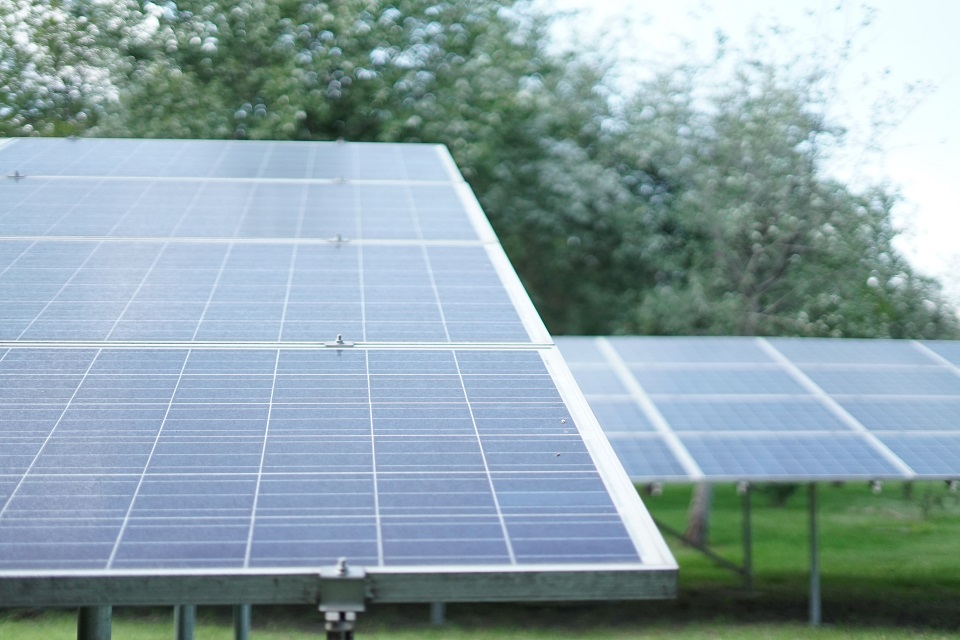
The global focus on renewable energy keeps growing. As a result, more and more homeowners are contemplating making the switch to renewable energy, solar panels in particular. While solar panels are an excellent investment for the environment and your wallet, there are numerous types on the market, with varying efficiency levels and costs.
Utah, a state nestled in the heart of the Great Basin desert region of the United States, is poised to make a remarkable leap in its commitment to sustainable energy. In an ambitious move, Utah plans to install a staggering 17 times the amount of solar panels they’ve installed over the last five years. This development aligns seamlessly with the state’s unique climatic advantage; abundant sunlight and minimal precipitation make Utah an ideal destination for homeowners looking to harness the power of the sun. With the help of a reliable residential solar provider in Utah, families across the state can now take control of their energy consumption, reduce their environmental footprint, and contribute to a brighter, more sustainable future.
Keep reading to learn more about the different types of solar panels, their benefits and drawbacks, and gain deeper insight into which may best suit your home.
Monocrystalline
Monocrystalline solar panels make up the bulk of solar panels used in the residential solar energy market. These panels’ construction consists of a single crystal structure, hence the name ‘monocrystalline’. This structure facilitates distinctly efficient electron flow, resulting in high energy output and efficiency.
- Advantages:
- High Efficiency: These panels’ high efficiency, typically ranging from 15% to 20%, truly sets them apart. This attribute means they generate more power per square foot, making them ideal if you have limited roof space.
- Longevity: Monocrystalline panels are more durable and long-lasting than other types (with an average lifespan of 25 to 30 years) and have a slower rate of efficiency loss over time.
- Aesthetics: These panels have a uniform, sleek black appearance, which some find more appealing than other types of solar panels.
- Disadvantages:
- Cost: This type’s manufacturing process and material quality render them more expensive than other solar panel types. However, the higher efficiency can offset the initial cost in the long run.
Polycrystalline
Also known as multi-crystalline solar panels, this variation is made from multiple silicon crystals instead of a single crystal. These panels’ manufacturing process is less complicated and more economical than monocrystalline variants.
- Advantages:
- Lower Cost: These panels generally have a lower upfront cost compared to monocrystalline panels, making them more accessible if you have budget constraints.
- Eco-Friendly Manufacturing: The production process of polycrystalline panels is more environmentally friendly than other types due to the lower material waste.
- Disadvantages:
- Less Efficient: Polycrystalline panels have a lower efficiency rate, usually from 13% to 16%. This trait means they generate less power per square foot, requiring more installation space to attain the same output as monocrystalline panels.
- Reduced Longevity: These panels’ lifespan is generally shorter than monocrystalline panels, with an average life of 20 to 25 years. They also have a faster rate of efficiency loss over time.
- Aesthetics: Polycrystalline panels have a blue, speckled appearance, which some find less visually appealing than monocrystalline panels.
Thin-Film
Producing these solar panels entails applying layers of photovoltaic material to a substrate. These panels’ thickness is their primary distinction, as they’re significantly thinner than traditional crystalline panels.
- Pros:
- Flexibility: These panels exhibit more flexibility than crystalline panels, allowing for a wider variety of installation options, such as curved or irregular surfaces.
- Low Cost: These panels typically have a lower production cost than crystalline panels, making them more affordable.
- Shade Tolerance: Thin-film panels are more tolerant of shading and low-light conditions, maintaining higher efficiency in such environments.
- Cons:
- Low Effectiveness: Thin-film panels exhibit the lowest efficiency rates among solar panel types, usually varying from 10% to 12%. Consequently, they require more space to generate the same amount of power as the other variants.
- Briefer Lifespan: These panels generally have a 10- to 15-year lifespan. Their composition also makes them more susceptible to degradation from elements like heat and humidity.
Conclusion
When selecting solar panels for your home, it may be best to seek a solar installer’s advice while exploring the different kinds of solar panels. With their guidance, you can confidently select the best option for harnessing solar energy at home.