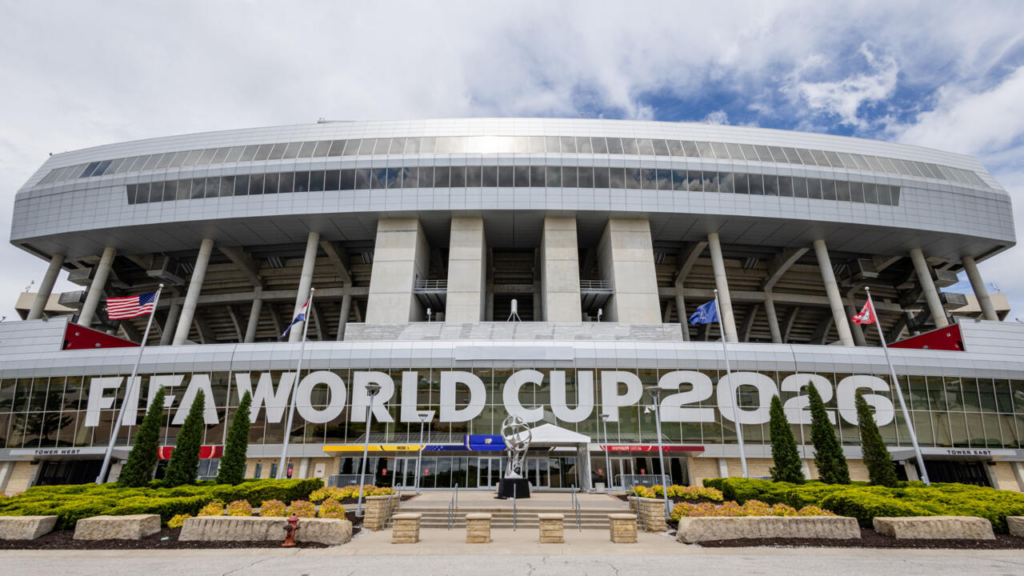
Just weeks after signaling that fans could bring reusable water bottles into stadiums during the 2026 FIFA World Cup, FIFA has reversed its position.
Under an updated Stadium Code of Conduct, spectators will no longer be allowed to bring reusable water bottles into World Cup venues across the United States, Canada, and Mexico. The policy change has triggered criticism from fan groups and raised fresh concerns about hydration and safety during a tournament expected to be played in some of the hottest summer conditions in World Cup history.
The decision comes as organizers continue to face scrutiny over how they plan to protect millions of supporters from potentially dangerous heat exposure during the month-long tournament.
What changed in FIFA’s water bottle policy?
Until recently, FIFA’s official guidance permitted fans to carry empty, transparent, reusable plastic bottles with a capacity of up to one liter into stadiums.
The idea was straightforward: supporters could refill the bottles at hydration stations and water fountains inside venues, reducing waste while helping fans stay hydrated.
However, an updated version of FIFA’s Stadium Code of Conduct, released on June 2, removed that provision.
The revised language now states:
“For the avoidance of doubt, reusable water bottles may not be brought into the stadium.”
The update means spectators will no longer be able to bring refillable bottles through security checkpoints at World Cup matches.
Why did FIFA ban reusable water bottles?
According to FIFA, the decision was made primarily for safety reasons.
In a statement, the governing body said bottles can potentially be used as projectiles, creating risks for players, officials, and other spectators.
FIFA argued that several host venues already prohibit outside bottles during major events and that it is applying a uniform policy across all World Cup stadiums.
The organization stated that it will continue working with local authorities and host city committees to provide alternative heat mitigation measures.
These may include:
- Hydration stations
- Misting stations
- Cooling tents
- Portable fans
- Other heat-relief infrastructure around stadium grounds
However, FIFA has not publicly explained why it initially approved reusable bottles before reversing course just weeks later.
Why are fans and advocacy groups criticizing the move?
The controversy stems largely from concerns about heat and affordability.
Hydration concerns
The 2026 FIFA World Cup will be played during the North American summer, with several host cities expected to experience high temperatures and humidity.
Many supporters had welcomed the reusable bottle policy because it would have allowed them to refill water throughout the day rather than repeatedly purchasing bottled drinks.
Critics argue that banning refillable containers makes staying hydrated more difficult.
Cost concerns
Water prices inside sports venues have become another major point of discussion.
During the 2025 FIFA Club World Cup in the United States, bottled water reportedly sold for between $4 and $6 at some stadiums.
Although FIFA has not announced pricing for World Cup 2026, fans worry that purchasing multiple bottles during hot-weather matches could become expensive.
The criticism has fueled accusations that commercial interests may be taking precedence over supporter convenience.
How serious are the heat concerns for World Cup 2026?
Heat management has emerged as one of the biggest operational challenges facing organizers.
A report from climate researchers at World Weather Attribution suggested that numerous matches could be played under conditions associated with elevated heat stress.
Understanding WBGT
Researchers often use Wet Bulb Globe Temperature (WBGT) rather than standard air temperature when assessing heat risks.
WBGT factors in:
- Air temperature
- Humidity
- Wind speed
- Solar radiation
Because it measures how heat affects the human body, WBGT is widely used in:
- Sports competitions
- Military operations
- Occupational safety planning
According to the report, dozens of World Cup matches could be played under conditions where WBGT readings reach levels associated with increased heat-related risks.
Which cities could face the biggest challenges?
Several World Cup host cities may experience significant summer heat.
Cities frequently cited by analysts include:
- Miami
- Philadelphia
- Kansas City
- Boston
- San Francisco
- New York City
Many stadiums in these markets do not have fully enclosed roofs, meaning fans could spend hours exposed to direct sunlight before and during matches.
The challenge extends beyond spectators to volunteers, stadium workers, media personnel, and security staff.
What alternatives will fans have?
Under the current rules, exemptions remain limited.
Supporters may still be allowed to bring:
- Baby milk
- Sterilized water for infants
- Medically necessary liquids
However, documentation may be required for medical exemptions, and materials must generally be presented in English, French, or Spanish.
For everyone else, hydration will depend largely on purchasing water inside venues or accessing FIFA-provided hydration resources.
Whether those measures prove sufficient remains a subject of debate.
What is FIFA doing to address heat risks?
The organization has already introduced several measures focused on players and match officials.
These include:
Mandatory hydration breaks
Referees will be permitted to stop play for scheduled cooling breaks when conditions warrant.
Current plans call for three-minute hydration breaks during each half of matches played in extreme heat.
Climate-controlled benches
FIFA also plans to deploy cooling technology for coaches and substitute players at outdoor venues.
Expanded cooling infrastructure
Host cities are expected to provide:
- Cooling tents
- Shaded areas
- Additional water access points
- Fan zones with heat-relief measures
Still, critics argue that fan hydration policies should be a central part of any heat-mitigation strategy.
Why this decision could become a bigger issue
The reusable bottle ban touches on several broader debates surrounding major sporting events:
- Fan welfare
- Sustainability
- Commercial partnerships
- Stadium security
- Climate adaptation
The decision also comes at a time when sports organizations worldwide are facing increasing pressure to balance safety concerns with environmental goals.
Reusable bottles have become a standard feature at many sporting events, making FIFA’s move appear out of step with broader sustainability trends.
As the tournament approaches, pressure is likely to grow on organizers to provide greater clarity about water availability, pricing, and heat-protection measures.
The takeaway
FIFA’s decision to ban reusable water bottles at World Cup 2026 stadiums has transformed a seemingly minor operational rule into a major point of controversy.
While the governing body says the policy is necessary for safety reasons, critics argue it could make hydration more difficult and more expensive during a tournament expected to be played under intense summer heat.
With millions of fans expected to attend matches across North America, the debate highlights a growing challenge facing global sporting events: how to keep spectators safe and comfortable in an increasingly warm world.
TL;DR
FIFA has reversed its earlier policy and will no longer allow reusable water bottles inside World Cup 2026 stadiums. The decision, which FIFA says is based on safety concerns, has sparked criticism from fan groups worried about hydration, heat exposure, and the cost of bottled water during a tournament expected to be played in challenging summer conditions.