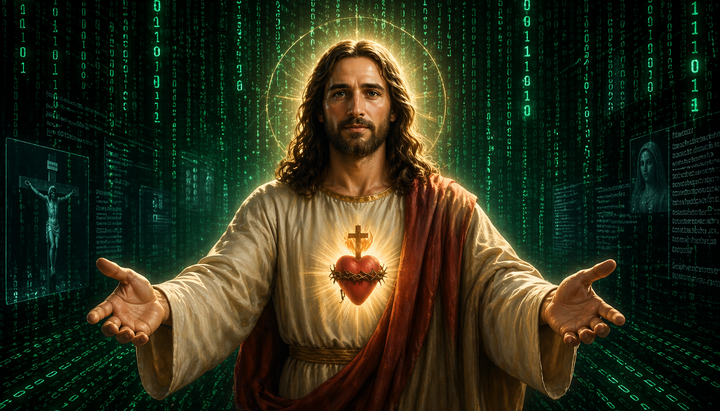
A new app is pushing the boundaries of faith and technology, and not everyone is comfortable with it. The platform, called Just Like Me, offers users a chance to have a video call with an AI-generated version of Jesus Christ for $1.99 per minute.
The concept sits at the center of a growing debate over AI in religion: where does innovation end and exploitation begin?
What is the AI Jesus video call app?
The service allows users to interact with a digital avatar modeled visually after Jonathan Roumie, known for portraying Jesus in The Chosen.
How it works
- Users initiate a paid video call with the AI avatar
- Pricing starts at $1.99 per minute
- A subscription option offers 45 minutes for $49.99
- The AI is trained on:
- The King James Bible
- Sermons and religious texts
- It can:
- Offer prayers
- Provide encouragement
- Remember past conversations
The experience aims to feel personal—almost like a spiritual companion.
Why are people upset about it?
1. “Paying for prayer” crosses a line
The strongest backlash centers on monetization.
For many believers, prayer is:
- Free
- Personal
- Direct
Charging money for something framed as a conversation with Jesus has led critics to call the model exploitative—especially for people seeking comfort during vulnerable moments.
2. Blurring faith and simulation
Religious leaders and scholars argue that:
- AI lacks consciousness or spiritual authority
- It cannot provide authentic religious experiences
- It risks turning sacred figures into interactive products
This raises a deeper concern: does simulating a religious figure dilute its meaning?
3. Risk of misinformation (“AI hallucinations”)
Like all generative AI systems, the chatbot can:
- Misinterpret scripture
- Skip important theological context
- Generate responses that sound convincing—but are inaccurate
In a religious setting, that risk carries more weight than in casual applications.
Why this debate is bigger than one app
AI is entering deeply personal spaces
From therapy bots to companionship apps, AI is increasingly stepping into roles once reserved for human relationships.
Religion may be the most sensitive frontier yet.
Faith-based AI is growing globally
Similar tools are emerging across traditions:
- Hindu chatbot priests
- Buddhist teaching assistants
- Islamic AI fatwa tools
Each raises similar questions about authenticity vs accessibility.
Leaders are starting to respond
Pope Leo XIV has reportedly warned that AI-driven religious tools could affect spiritual development—signaling that institutions are paying attention.
What’s the appeal for users?
Despite criticism, the app is gaining traction. That’s not surprising.
Convenience and accessibility
- Available anytime, anywhere
- No need for a physical place of worship
- Multilingual support
Emotional connection
The app’s ability to remember conversations creates a sense of continuity—something users may interpret as care or a sense of presence.
As the company’s CEO suggests, users can begin to feel accountable to the AI, forming a kind of relationship.
A modern form of guidance
For some, especially younger users, this may feel like a natural extension of how they already use technology for:
- Advice
- Reflection
- Emotional support
Where should the line be drawn?
This is the core question—and there’s no consensus yet.
Arguments in favor
- Expands access to spiritual content
- Helps people who feel isolated
- Encourages reflection and prayer
Arguments against
- Commercializes faith
- Risks misleading users
- Replaces human spiritual guidance with algorithms
What this means for the future of AI and religion
The AI Jesus video call controversy highlights a turning point.
We’re moving from AI as a tool to AI as a stand-in for human—or even divine—interaction.
That shift raises difficult questions:
- Should sacred figures be simulated?
- Can technology replicate spiritual experience?
- Who is responsible when AI gives harmful guidance?
Expect more debates like this as technology advances.
TL;DR
- An app offers paid video calls with an AI version of Jesus Christ
- It charges $1.99 per minute, sparking backlash
- Critics say it commercializes and distorts faith
- Supporters see it as accessible spiritual guidance
- The controversy reflects a larger debate about AI in religion