

Apple’s long-rumoured foldable iPhone may finally be taking shape, and the latest leak offers the clearest look yet at what the company could unveil next.
Ahead of this year’s Worldwide Developers Conference (WWDC), leaked dummy-unit images shared by tipster Sonny Dickson on X appear to show Apple’s upcoming foldable iPhone design, including its display sizes, camera layout, and a surprising biometric change.
If the leak is accurate, Apple is preparing a foldable device that blends elements of the iPhone and iPad mini while taking a different approach from rivals like Samsung and Google.
The biggest takeaway: Apple may be prioritizing usability and software refinement over flashy hardware experimentation.
TL;DR
- A new leak shows alleged dummy units of Apple’s foldable iPhone.
- The device is rumored to feature a 7.8-inch inner display and a 5.5-inch outer screen.
- Apple may replace Face ID with a side-mounted Touch ID sensor.
- The foldable iPhone could launch alongside the iPhone 18 Pro lineup later this year.
- Apple’s software ecosystem may become the device’s biggest competitive advantage.
What the Foldable iPhone Leak Reveals
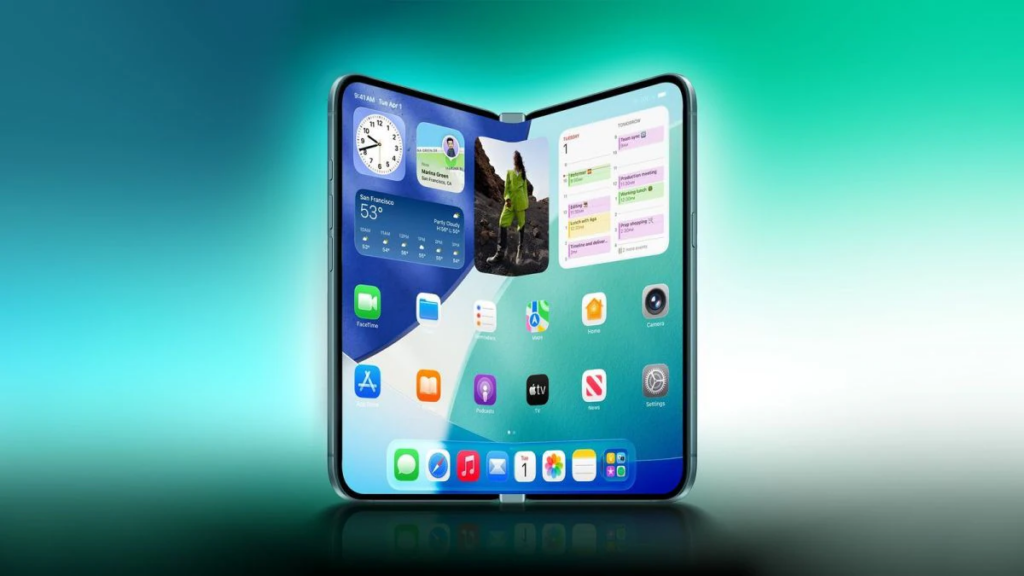
The leaked images suggest Apple is developing a book-style foldable smartphone rather than a clamshell design like the Galaxy Z Flip.
When unfolded, the device reportedly features a 7.8-inch inner display — nearly the size of an iPad mini. Folded shut, users would interact with a smaller 5.5-inch external display.
That form factor would place the foldable iPhone closer to devices like the following:
- Samsung Galaxy Z Fold series
- Google Pixel Fold
- OnePlus Open
However, Apple appears to be taking a more compact approach.
A Wider, Shorter Shape
According to the leak, the foldable iPhone may use a shorter and wider aspect ratio compared with current iPhone models.
That could improve:
- One-handed usability
- Typing comfort
- Video viewing in landscape mode
- App multitasking
It may also address one of the biggest complaints about some existing foldables: narrow front displays that feel cramped during everyday use.
Apple May Bring Back Touch ID
One of the most surprising details in the leak is Apple’s rumored decision to replace Face ID with Touch ID on the foldable iPhone.
The fingerprint sensor would reportedly sit inside the side-mounted power button.
That would mark a significant shift for Apple, which has spent years pushing Face ID as the future of biometric authentication across the iPhone lineup.
Why Apple Could Drop Face ID on a Foldable
There are practical reasons Apple may choose Touch ID for this device.
Foldables introduce unique engineering challenges, including:
- Limited internal space
- Complex hinge structures
- Ultra-thin display layers
- Battery constraints
Face ID requires a large collection of sensors and components embedded into the front display system. Integrating those into a foldable design without compromising thickness or durability could prove difficult.
Touch ID, meanwhile:
- Takes up less space
- Works reliably in multiple orientations
- May reduce manufacturing complexity
It also avoids some of the awkward face-scanning angles users experience on foldable devices.
Apple’s Hinge Could Become the Real Story
In the foldable market, hardware durability matters almost as much as software.
Apple is reportedly focusing heavily on hinge engineering and display reliability, two areas where foldables have historically struggled.
Competitors have spent years trying to minimize the following:
- Visible screen creases
- Dust intrusion
- Hinge wear
- Display fragility
Apple has a reputation for entering product categories later than competitors but refining the experience before mass adoption. The company followed a similar pattern with:
- Smartwatches
- Tablets
- Wireless earbuds
Rather than being first, Apple typically aims to make products feel more polished and mainstream.
The foldable iPhone could follow the same strategy.
Apple’s Software Ecosystem May Be Its Biggest Advantage
Hardware alone may not determine whether Apple succeeds in foldables.
The company’s biggest advantage could be software.
Why iPad Apps Matter
The rumored 7.8-inch display sits close to iPad mini territory, meaning Apple can potentially leverage its mature iPad app ecosystem immediately.
That’s important because many foldable devices still struggle with the following:
- Poorly optimized apps
- Awkward screen scaling
- Inconsistent multitasking
- Limited tablet-style experiences
Apple already has years of experience designing software for multiple screen sizes across:
- iPhone
- iPad
- Mac
- Vision Pro
That ecosystem could allow the foldable iPhone to feel more complete at launch than competing devices did during their early years.
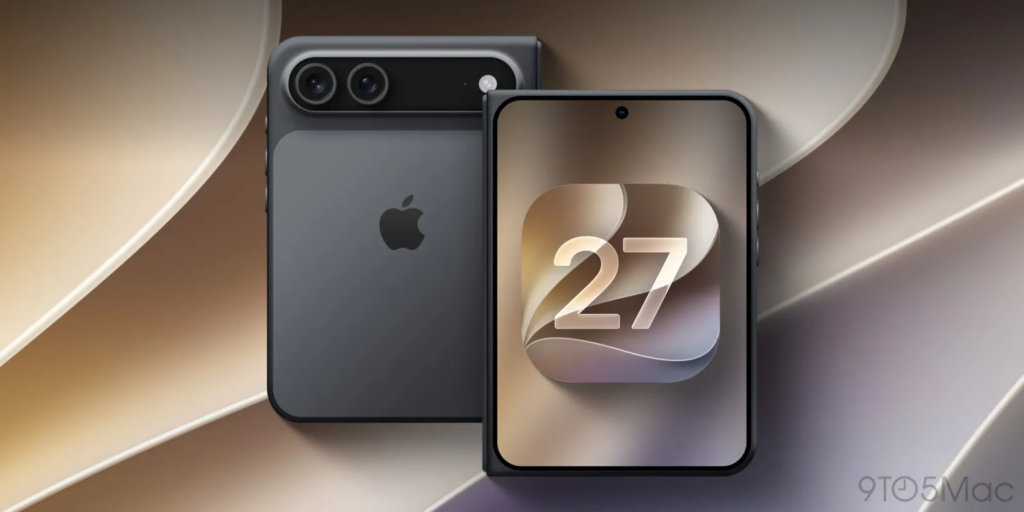
iOS 27 Could Reveal Apple’s Foldable Strategy
Industry watchers are now closely focused on iOS 27.
WWDC is expected to provide early clues about how Apple plans to adapt iOS for foldable hardware.
Potential software features could include:
- Advanced split-screen multitasking
- Dynamic app resizing
- Improved continuity between folded and unfolded modes
- New gesture controls
- Tablet-style productivity layouts
Apple has historically used software to differentiate its hardware products, and foldables may be no exception.
The Rumored Launch Timeline
The foldable iPhone is currently rumored to launch alongside the iPhone 18 Pro and iPhone 18 Pro Max later this year.
Leaks also suggest Apple may initially offer the device in just one color: white.
That may sound limited, but it aligns with Apple’s broader launch strategy for new product categories. The company often starts with fewer configurations before expanding options later.
The larger question is pricing.
Foldables remain expensive products across the industry, with many flagship models exceeding $1,500. Apple’s version will likely sit at the premium end of the market if current rumors prove accurate.
Why Apple Entering Foldables Matters
Foldable phones have existed for years, but they remain a relatively niche category.
Apple’s entry could change that.
The company has a history of pushing emerging product categories into the mainstream by combining the following:
- Hardware refinement
- Software integration
- Ecosystem lock-in
- Consumer-friendly simplicity
If Apple can solve durability concerns while delivering a polished user experience, foldables could shift from a tech enthusiast product into a broader consumer category.
But expectations will also be unusually high.
Apple is entering the foldable market late, which means consumers and investors will expect the company to improve on what already exists — not simply match competitors.