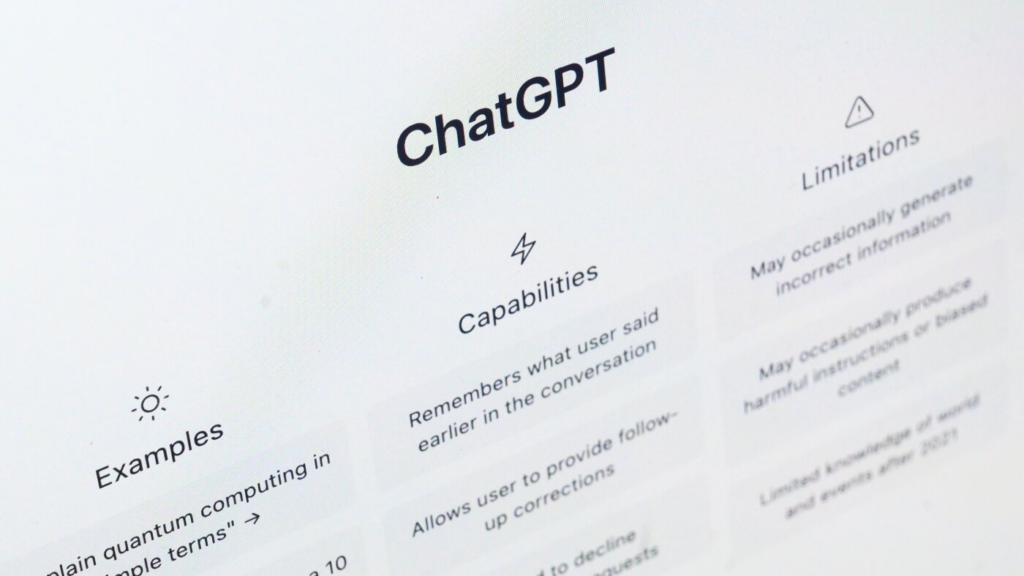
Artificial intelligence is increasingly becoming a tool in the global information wars, and according to OpenAI, some China-linked groups have already begun using it to shape political conversations in the United States. In a new report, OpenAI said it disrupted several influence operations between late 2025 and early 2026 that used ChatGPT to generate political content related to US policy debates. The campaigns reportedly focused on topics including President Donald Trump’s tariffs, AI regulation, data center construction, and broader technology policy discussions.
While OpenAI says the efforts gained limited traction online, the findings offer another glimpse into how generative AI is changing the mechanics of propaganda, political messaging, and information operations.
What did OpenAI discover?
According to OpenAI, several Chinese-speaking groups used ChatGPT to generate content designed to influence online conversations about American politics and technology policy.
The content included:
- Political slogans
- Social media posts
- Opinion-style comments
- Cartoons and visual messaging concepts
- Criticism of US trade and technology policies
OpenAI said the material was later distributed across social media platforms, including X, as part of broader influence campaigns.
The company emphasized that these operations were not large-scale viral successes. Instead, they represent examples of how generative AI is increasingly being integrated into influence efforts that were once entirely human-driven.
Which issues were targeted?
The campaigns reportedly focused on several politically sensitive topics in the United States.
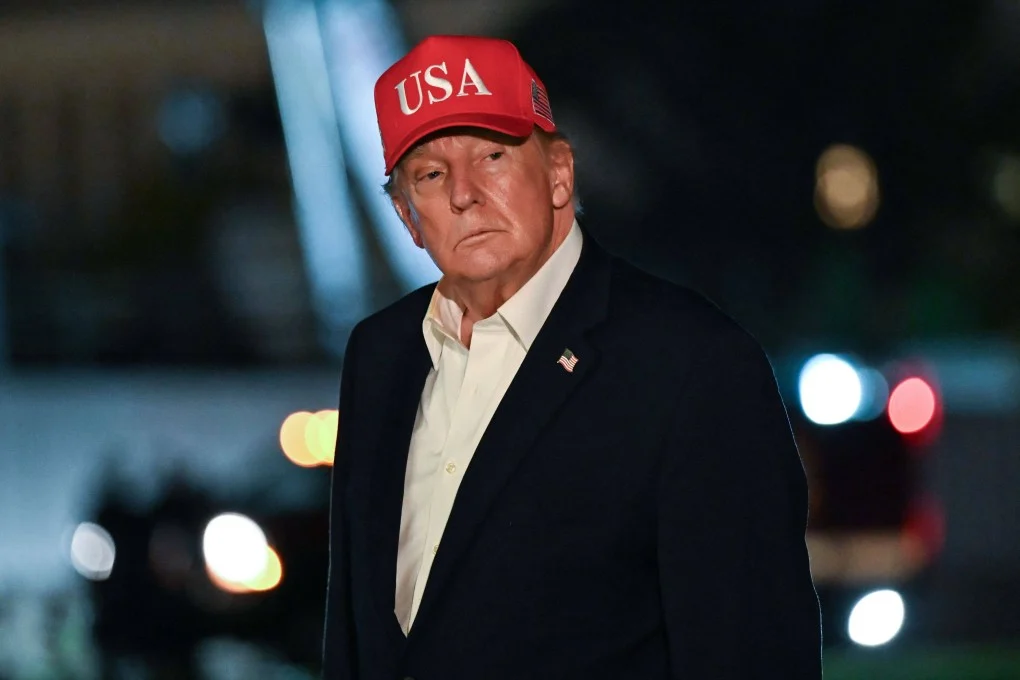
Trump tariffs and trade policy
One operation generated content criticizing tariffs and trade restrictions associated with President Donald Trump’s economic agenda.
Trade policy has become a major geopolitical flashpoint as Washington and Beijing continue competing in sectors ranging from semiconductors to artificial intelligence.
AI regulation and governance
OpenAI also identified content aimed at shaping discussions around AI policy.
As governments debate how to regulate increasingly powerful AI systems, these conversations have become politically significant and economically consequential.
Data centers and AI infrastructure
Another campaign reportedly focused on debates surrounding data center construction across the United States.
The issue has attracted growing attention because AI systems require enormous computing power, which in turn demands vast amounts of electricity and water.
Several states have considered restrictions or additional oversight for new data center projects due to concerns about:
- Energy consumption
- Environmental impact
- Water usage
- Strain on local infrastructure
According to OpenAI, one operation connected to these discussions was linked to a Chinese technology company involved in government-related projects, although the company did not publicly identify the organization.
Why AI is changing influence operations
Traditional propaganda campaigns often require teams of writers, translators, graphic designers, and social media operators.
Generative AI dramatically lowers those barriers.
A single operator can now use AI tools to:
- Create large volumes of text quickly
- Translate content into multiple languages
- Generate slogans and campaign messaging
- Produce images and graphics
- Tailor messages to specific audiences
This efficiency makes influence operations cheaper, faster, and easier to scale.
However, experts note that quantity does not automatically translate into effectiveness.
OpenAI’s findings suggest that while AI can accelerate content creation, generating genuine public engagement remains much more difficult.
Did the campaigns succeed?
According to OpenAI, the answer appears to be largely no.
The company said the operations generated relatively little authentic engagement and did not significantly influence public discourse.
This mirrors findings from previous investigations into state-linked influence campaigns, where large volumes of content often failed to gain substantial traction outside coordinated networks.
Still, researchers warn that success should not be measured solely by viral posts.
Even limited campaigns can:
- Amplify existing divisions
- Flood online discussions with misleading narratives
- Create confusion about facts
- Test new influence techniques for future operations
In many cases, influence campaigns evolve gradually rather than achieving immediate viral success.
China’s response
The Chinese Embassy in Washington rejected the allegations.
According to reports, embassy representatives said they were not familiar with OpenAI’s specific findings but criticized what they described as unfounded accusations directed at China.
Beijing has consistently denied involvement in state-backed disinformation campaigns and frequently accuses Western governments of making politically motivated claims regarding cybersecurity and influence operations.
A growing concern across the AI industry
The latest findings arrive as concerns grow about the misuse of AI tools by governments, criminal organizations, and other actors.
Major AI developers have increasingly published transparency reports detailing attempts to misuse their systems.
Potential areas of concern include:
Political influence
AI-generated content can be used to spread political narratives at an unprecedented scale.
Cybersecurity threats
Advanced AI models can assist with coding, vulnerability research, and automation, raising concerns about cyberattacks.
Fraud and impersonation
AI-generated text, images, and voices can be used in scams and social engineering campaigns.
Disinformation
The ability to rapidly generate persuasive content makes it easier to create misleading narratives and fake personas.
OpenAI, along with other major AI firms, has invested heavily in monitoring and disrupting such activity.
Why this matters
The significance of OpenAI’s report extends beyond any single influence campaign.
The larger story is that AI is becoming a standard tool in geopolitical competition.
Governments, intelligence agencies, political groups, and private actors now have access to technologies capable of generating content at a scale that would have been impossible just a few years ago.
The challenge for platforms, policymakers, and researchers is determining how to distinguish legitimate speech from coordinated influence operations without undermining free expression.
As AI capabilities continue to improve, that balance may become one of the defining policy questions of the next decade.
TL;DR
- OpenAI says China-linked groups used ChatGPT in influence campaigns between late 2025 and early 2026.
- The content targeted debates about Trump tariffs, AI policy, and US data center projects.
- Campaigns reportedly generated slogans, social media posts, and political commentary.
- OpenAI says the efforts achieved limited public engagement.
- The findings highlight how generative AI is increasingly being used in information and propaganda operations.
- China rejected the allegations and criticized what it described as baseless accusations.