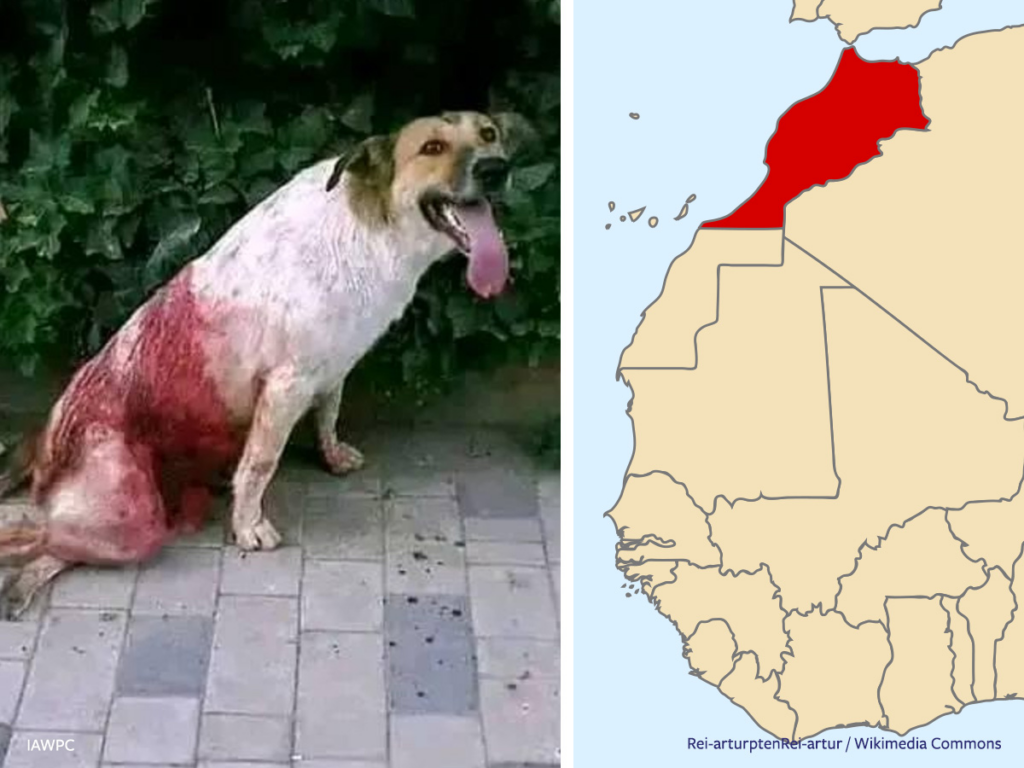
Animal welfare groups are accusing Morocco of poisoning, shooting, and burning stray dogs ahead of the 2030 FIFA World Cup. The North African nation is set to co-host the tournament with Spain and Portugal, and activists argue that preparations are triggering a large-scale crackdown on street animals.
The allegations are serious and disturbing. Moroccan authorities and FIFA say they are reviewing the claims. Here is what is known so far.
What are activists alleging about Morocco’s dog culling before the 2030 World Cup?
Animal rights organizations claim that Morocco has intensified efforts to remove stray dogs from public areas as part of preparations for the 2030 World Cup.
According to the International Animal Welfare and Protection Coalition, dogs are allegedly being:
- captured using metal neck clamps
- transported in trucks to holding facilities
- poisoned or shot
- buried in mass graves
Some activists allege that in certain cases, animals have been starved or burned. These claims are based on photographs, videos, and witness accounts compiled into a 91-page dossier submitted to FIFA.
Why is Morocco hosting the 2030 World Cup?
Morocco was selected to co-host the 2030 tournament alongside Spain and Portugal. The event is expected to draw millions of visitors and global media attention.
Major international sporting events often prompt infrastructure upgrades, tourism campaigns, and public space “clean-up” drives. Activists argue that street dogs are being targeted as part of efforts to present a more controlled urban image.
Morocco has previously faced criticism from welfare groups over animal control practices ahead of large public events. Officials have not publicly confirmed any mass culling policy linked to the World Cup.
What is happening in Marrakech?
Activists claim that Marrakech has become a central location for the alleged operations. Some reports describe warehouses where dogs are reportedly held and killed.
Local accounts referenced by advocacy groups describe facilities with washable floors and industrial equipment used for animal processing. International bodies have not independently verified these details at the time of reporting.
Given the gravity of the accusations, independent verification from international veterinary or human rights observers would be critical.
What has FIFA said?
A spokesperson for FIFA told media outlets that Morocco had committed to animal welfare during the bidding process.
The spokesperson said FIFA is following up with local counterparts to ensure commitments are upheld now that the hosting decision has been finalized.
FIFA has faced similar scrutiny in past tournaments over labor rights, environmental practices, and host nation policies. This places additional pressure on the governing body to respond transparently.
Is there evidence of a mass culling plan?
Animal welfare organizations claim that more than three million stray dogs could be targeted nationwide. Moroccan authorities have not independently confirmed that figure.
Publicly available data on Morocco’s stray dog population is limited. Without official statistics, assessing the scale of any campaign is difficult.
For accuracy, this section should cite:
- Moroccan municipal animal control policies
- Veterinary public health regulations
- Prior NGO reports on stray population estimates
Why do host nations face scrutiny over animal control?
Large global events bring:
- increased tourism
- heightened security presence
- international media attention
- economic pressure to present a modern infrastructure
In some countries, this has led to intensified stray animal removal programs. Animal welfare advocates argue that humane alternatives exist, including:
- sterilization and vaccination campaigns
- trap-neuter-return programs
- adoption partnerships
- community-based animal care models
The World Organisation for Animal Health provides guidelines for humane stray dog population control.
What happens next?
Activists say they fear the alleged killings will escalate as the tournament approaches. Their dossier submission to FIFA is intended to trigger oversight or intervention.
The key questions now are:
- Will independent inspections be allowed?
- Will Morocco publish transparent data on animal control practices?
- Will FIFA condition oversight on verified humane standards?
Without documented investigation results, the situation remains contested.
The broader issue
This controversy reflects a recurring tension between urban image management and animal welfare. As cities prepare for global events, the treatment of vulnerable populations, whether human or animal, often becomes part of the international conversation.
For Morocco, co-hosting the 2030 World Cup is a milestone. How the country addresses these allegations may shape global perception well before kickoff.