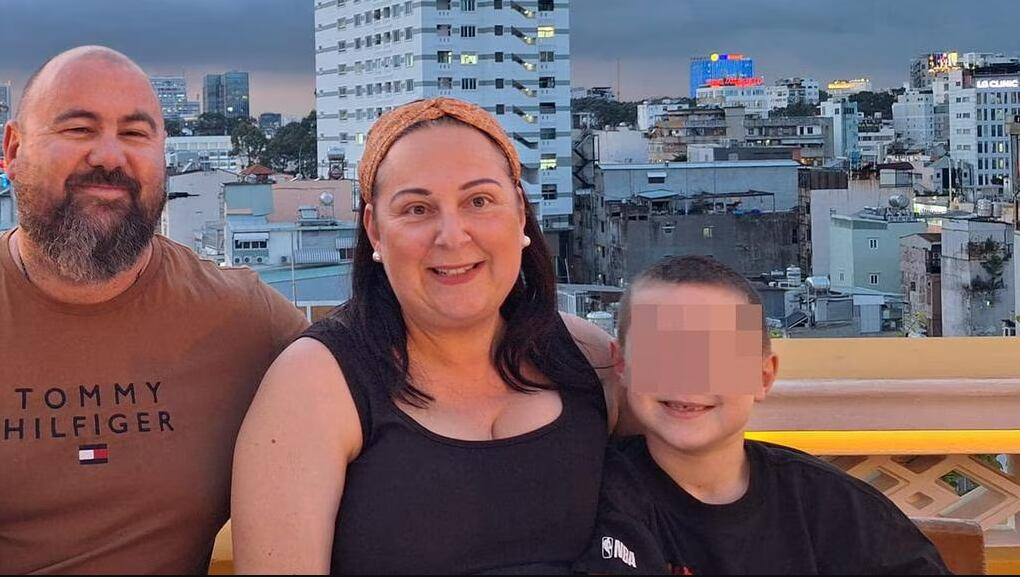
An Australian woman who pretended her young son had cancer, allegedly forcing him into a wheelchair and shaving his head to maintain the deception, has been sentenced to more than four years in prison in a case that has shocked the country and reignited debate around medical fraud and child abuse.
The 45-year-old mother pleaded guilty to multiple deception charges and one count of committing acts likely to cause harm to her six-year-old son. Prosecutors said she manipulated family members, friends, and the wider community into donating money that ultimately funded her gambling habit and expensive lifestyle choices.
The case stands out not only because of the financial deception involved but also because investigators say the child himself became the centerpiece of the fraud.
How the Australian mother faked her son’s cancer
According to court proceedings, the scheme began after the boy visited an ophthalmologist following an accident. The mother allegedly used that medical visit as the foundation for a fabricated story that her son had eye cancer.
From there, prosecutors said the deception escalated dramatically.
Authorities told the court that the woman:
- Forced the child to use a wheelchair
- Shaved his head and eyebrows
- Wrapped his head and hands in bandages
- Restricted his physical activities
- Administered pain medication and supplements to mimic treatment side effects
She also reportedly told people the boy was undergoing radiation treatment, creating the impression that he was critically ill.
The image presented to the community was carefully constructed. Friends, relatives, school contacts, and donors believed they were supporting a sick child battling cancer. Instead, prosecutors argued, the illness never existed.
Why prosecutors said the fraud was especially disturbing
Financial scams involving fake illnesses are not new. But prosecutors emphasized that this case crossed into something darker because the child was directly involved in sustaining the lie.
During sentencing, the prosecution argued the mother “selfishly used her son as a prop to deceive” both loved ones and the public.
That language reflected a broader concern: the emotional and psychological impact on the child.
Cases involving fabricated illnesses in children often raise comparisons to conditions associated with caregiver-driven medical deception, sometimes discussed in relation to factitious disorder imposed on another, previously referred to as Munchausen syndrome by proxy. However, courts generally focus on criminal conduct and documented harm rather than informal labels.
Experts in child welfare frequently note that these situations can leave lasting trauma because children may struggle to distinguish between caregiving and manipulation.
Gambling addiction and mental health emerged during sentencing
The woman’s defense lawyer argued that her behavior spiraled during the COVID-19 pandemic after she developed a gambling addiction. According to the defense, she “capitalized” on her son’s accident and later became trapped in the deception. The court also heard that she had borderline personality disorder.
Her lawyer maintained that despite the manipulation and dishonesty involved, she never intended to physically harm her son or devastate her family.
Still, the sentencing judge appeared unconvinced that addiction or mental health challenges excused the scale of the deception. The prison sentence reflected the court’s view that the misconduct involved both sustained fraud and direct harm to a child.
The family says the damage goes beyond money
The emotional fallout from the case extended well beyond the courtroom. The woman’s husband had initially been charged in connection with the matter, though police later dropped the case against him.
In a victim impact statement presented to the court, he said his wife had “destroyed me and my children’s lives.”
Outside court, he told reporters that “no sentence can ever justify what has been done to my children.”
Those remarks underscored a central reality of the case: while the fraud involved money, the long-term damage appears deeply personal. The child at the center of the deception may now face years of emotional recovery, public attention, and questions about trust within his own family structure.
Why fake cancer scams trigger strong public reactions
Cases involving fake cancer diagnoses often generate unusually intense public anger for several reasons:
- Cancer fundraising campaigns rely heavily on emotional trust
- Communities tend to rally quickly around sick children
- Donors believe they are helping vulnerable families survive medical crises
- The scams can make people more skeptical of legitimate fundraising efforts
That final point matters. Fraud cases like this can damage public confidence in real medical aid campaigns, potentially affecting families genuinely struggling with treatment costs.
In Australia, as in many countries, crowdfunding and community fundraising have become increasingly common for medical emergencies. While most campaigns are legitimate, high-profile fraud cases regularly spark calls for tighter verification systems.
Some fundraising platforms already require:
- Medical documentation
- Identity verification
- Bank account checks
- Proof of treatment plans
Still, enforcement varies widely across platforms and local communities.
What sentence did the Australian mother receive?
The woman was sentenced to four years and three months in prison. However, she will become eligible for parole next April.
The sentencing closes the criminal phase of the case, but broader questions remain about how the deception went undetected for so long and what safeguards could better protect children placed at the center of fabricated medical claims.
For many observers, the most disturbing part of the story is not the money allegedly stolen from donors. It is the image prosecutors described in court: a healthy child transformed into the appearance of a cancer patient to sustain a lie.
TL;DR
An Australian woman has been jailed for more than four years after admitting she faked her six-year-old son’s cancer diagnosis to solicit donations and fund her lifestyle. Prosecutors said she forced the boy into a wheelchair, shaved his head, and staged symptoms to convince others he was seriously ill. The case has sparked renewed attention on medical fundraising fraud, child abuse, and the psychological harm caused when children are used in elaborate deception schemes.