
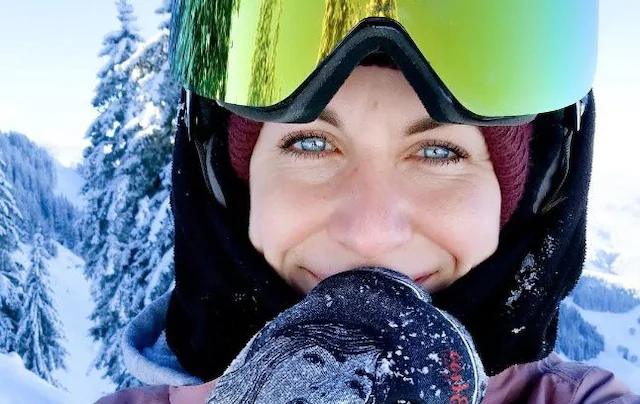
A 39-year-old Austrian man has been charged with manslaughter after his 33-year-old girlfriend froze to death during a winter ascent on Grossglockner — a case prosecutors say goes beyond tragic misfortune and raises urgent questions about responsibility in high-risk recreation. The Grossglockner death is under scrutiny for alleged gross negligence: delayed calls for help, unsuitable gear, and an experienced climber’s decision to leave an inexperienced partner alone in severe conditions.
TL;DR
- Prosecutors charged a 39-year-old climber with manslaughter by gross negligence after his partner died of hypothermia near Grossglockner’s summit.
- Investigators say the couple started late, lacked emergency equipment, and the woman wore unsuitable gear. The man allegedly delayed calling rescuers and missed several calls.
- The trial is scheduled at the Innsbruck Regional Court on Feb. 19, 2026. If convicted, he could face up to three years in prison.
- The case may set a legal precedent about the duty of care for experienced climbers guiding novices.
What happened on Grossglockner?
Grossglockner, Austria’s highest peak at about 12,460 feet, is a demanding winter climb. According to local reports, the couple began their ascent two hours behind a safe schedule and encountered extreme weather, winds reported at roughly 46 mph and wind chills near –20°C. Around 150 feet below the summit, the woman became exhausted, hypothermic and unable to continue. Investigators allege the man left her alone while he descended to seek help, delaying an emergency call until about 3:30 a.m. Rescue teams reached her around 10 a.m.; she was found dead.
Why prosecutors say this is criminal negligence
Prosecutors argue the defendant’s experience made him effectively the party’s guide. Their charges rest on a cluster of alleged failings:
Duty of care
Because he planned the climb and had advanced alpine experience, investigators say he had a heightened obligation to ensure the partner’s safety.
Poor preparation and risky choices
- Late start for a winter ascent.
- Lack of proper emergency equipment.
- The woman reportedly wore a splitboard and soft snow boots — gear unsuited to extreme alpine terrain.
Delay and communication failures
Prosecutors say he missed rescue calls after allegedly putting his phone on silent and that his distress call was delayed for hours, prolonging the woman’s exposure.
Taken together, authorities describe these actions as “gross negligence” rather than a misfortune unavoidable in mountaineering. The charge: manslaughter by gross negligence, punishable by up to three years in prison under Austrian law.
How did rescue efforts unfold?
Rescuers attempted to reach the duo as soon as they were alerted, but severe winds initially grounded helicopter support. The delay in making the distress call and the extreme weather complicated rescue windows; when ground teams reached the woman, she had already succumbed to hypothermia. Officials also say phone calls from rescuers went unanswered earlier in the morning.
Why this case matters beyond one tragedy
Mountaineering deaths happen, but criminal prosecutions are rare. This case could influence legal standards for recreational leadership and personal responsibility in adventure activities.
Potential wider effects
- Experienced climbers who lead or plan trips with novices may face higher legal expectations.
- Courts may more clearly define when “advice” or informal leadership becomes a legal duty.
- Alpine tourism operators and guides could see calls for stricter equipment checks or permitting rules.
- Public debate may grow over whether criminal law should police decisions made in inherently risky pursuits.
Some in the mountaineering community warn against overcriminalizing on-mountain decision making, arguing that weather and objective hazards often produce accidents that no reasonable preparation could fully prevent. Others say accountability is necessary when a clear disparity in skill and preparedness results in avoidable exposure.
How experts read the evidence
Searchable forensic and mountaineering standards will likely shape the court’s assessment:
- Was the climber’s decision to continue reasonable given real-time weather and the partner’s condition?
- Did leaving the woman represent the least risky option, or did it materially worsen her chance of survival?
- Would an immediate emergency call have produced an outcome different enough to change the legal framing?
An Innsbruck legal analyst quoted in coverage calls the case a potential test of “what a reasonable mountaineer” would do when accompanying a novice in winter conditions.
Related incidents and context
Coverage noted a recent, unrelated death of a climber, Natalia Nagovitsyna, on Kyrgyzstan’s Pobeda Peak; both incidents underline the increasing risks of high-altitude recreation in winter and the narrow windows available to rescuers in severe weather. Editors should consider placing this story alongside prior reporting on Alpine rescue capacity, gear and preparation guides, and regulatory debates around adventure tourism.