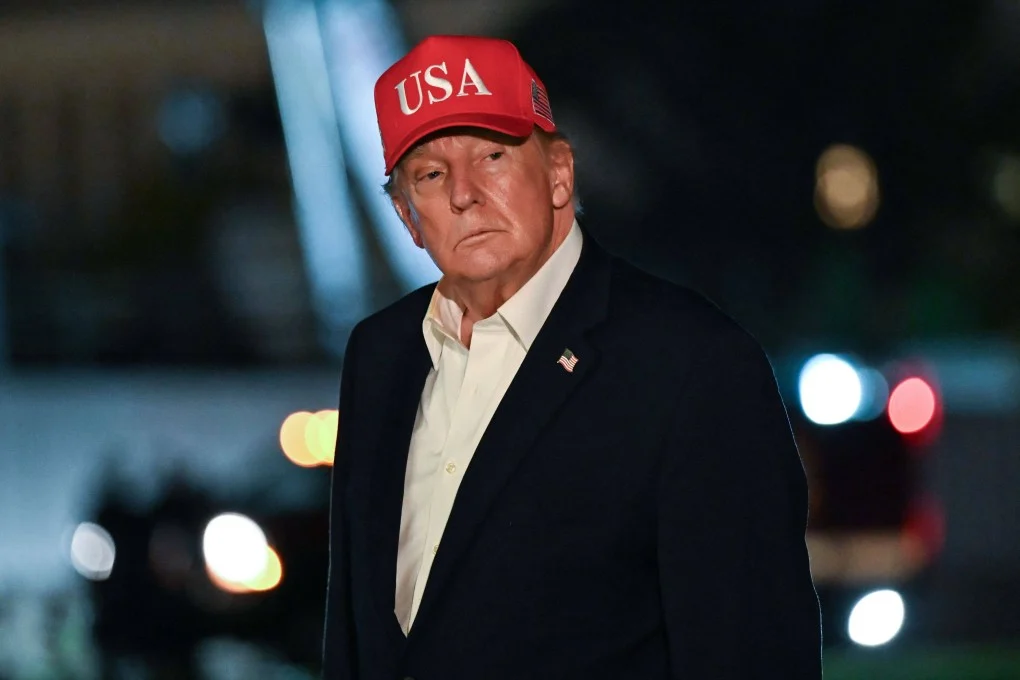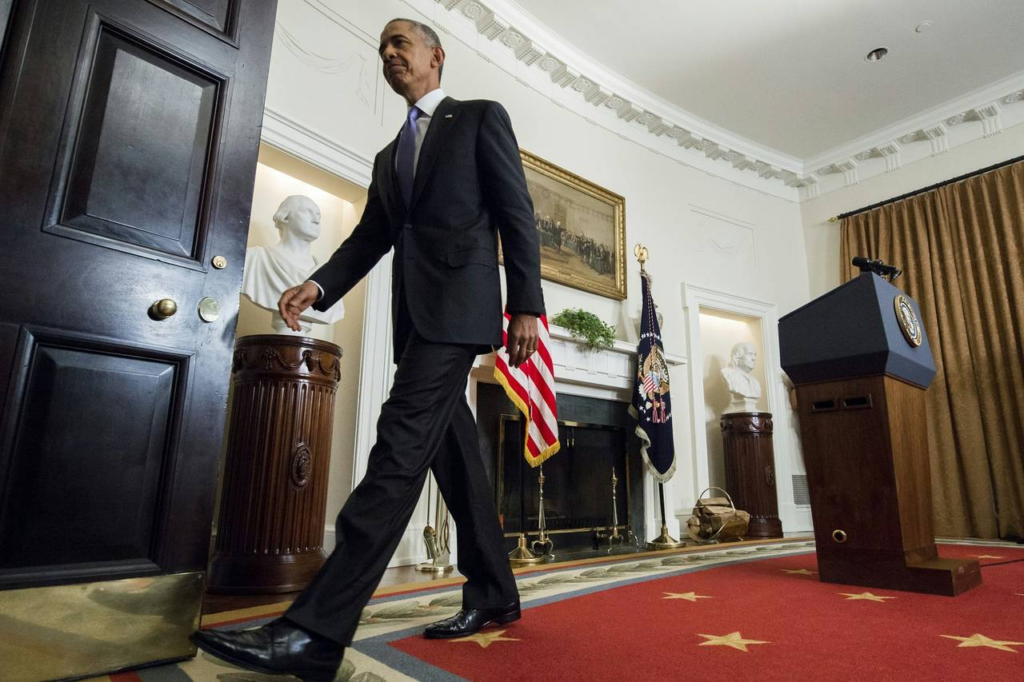
Few foreign policy claims have had the staying power of the “planeloads of cash” narrative. The short answer: yes, money was delivered to Iran in 2016 during the presidency of Barack Obama. But the context is more complex than the slogan suggests.
The payment was part of a legal settlement tied to a decades-old dispute, not a standalone political giveaway. Still, the optics and timing, especially alongside the release of American detainees, turned it into one of the most contested foreign policy decisions of the decade.
What happened in 2016?
In January 2016, the Obama administration transferred $1.7 billion to Iran. The breakdown:
- $400 million as the principal amount
- $1.3 billion in accumulated interest
The funds were delivered in foreign currencies, including euros and Swiss francs, and physically flown into Iran.
Why was the money paid?
The payment resolved a long-running legal dispute stemming from the 1970s.
Before the 1979 Iranian Revolution, Iran had paid the United States for military equipment that was never delivered after diplomatic relations collapsed. The case went to arbitration at The Hague.
By 2016:
- Iran was seeking over $10 billion in claims
- The US opted to settle for $1.7 billion
- Officials argued this avoided a potentially larger financial loss
Why was the payment made in cash?
The delivery method became the most controversial part of the story.
Sanctions and banking restrictions
At the time:
- US sanctions limited Iran’s access to the global financial system
- Direct electronic transfers were not feasible
- The US used non-dollar currencies to complete the payment
This resulted in physical cash being transported by aircraft, a rare but not unprecedented workaround in sanctions-heavy environments.
Why optics mattered
Even if legally justified, the image of cash arriving by plane created a powerful narrative that critics seized on.
Was the payment tied to prisoner releases?
This is where the debate intensifies.
In the same timeframe, Iran released four American prisoners. Critics, including Donald Trump, have repeatedly argued the payment amounted to a ransom.
What US officials said
Initially, the Obama administration maintained:
- The payment and prisoner release were separate matters
Later, officials acknowledged:
- The timing was coordinated
- The cash transfer provided leverage to ensure the prisoners’ release
Why this distinction matters
Legally, the US government maintains:
- The payment was a settlement obligation
Politically, critics argue:
- The coordination blurred the line between settlement and incentive
How does this relate to the Iran nuclear deal?
The payment occurred alongside the implementation of the Joint Comprehensive Plan of Action, commonly known as the Iran nuclear deal.
What the deal involved
Signed in 2015 between Iran and world powers, the agreement required:
- Limits on Iran’s nuclear program
- Reductions in uranium enrichment
- International inspections
In exchange:
- Sanctions relief was provided
Why the timing fueled controversy
Because the payment, prisoner release, and nuclear deal all unfolded within a narrow window, critics merged them into a single narrative, even though they were technically separate tracks.
Why does this issue keep resurfacing?
The story has proven politically durable for several reasons.
Simple narrative vs complex reality
- “Cash sent to Iran” is easy to understand
- Legal settlements and arbitration are not
This gap allows simplified claims to gain traction.
Ongoing US-Iran tensions
As tensions rise, past decisions are re-examined. Political leaders revisit the issue to:
- Criticize previous administrations
- Frame current policy choices
- Influence public opinion
Symbolism of cash payments
Money delivered physically carries symbolic weight. It suggests urgency, secrecy, and high stakes, even when the underlying transaction is legal.
What do experts and records say?
Public records and reporting from outlets like Reuters, AP, and The Wall Street Journal broadly agree on several points:
- The $1.7 billion payment did occur
- It was linked to a pre-1979 legal dispute
- The $400 million portion was delivered in cash due to sanctions
- The timing overlapped with prisoner releases, which were diplomatically coordinated
Where disagreement persists is in interpretation, not the core facts.
Why the distinction matters today
Understanding this episode is not just about revisiting history. It shapes how current policy debates unfold.
Lessons for diplomacy
- Legal settlements can carry political consequences
- Timing matters as much as substance
- Transparency influences public trust
Implications for future negotiations
Any future US-Iran engagement will likely be judged through the lens of:
- Past agreements
- Perceived concessions
- Domestic political narratives
TL;DR
- The US sent $1.7 billion to Iran in 2016, including $400 million in cash
- The payment settled a decades-old arms deal dispute
- Cash was used due to banking sanctions
- The transfer coincided with the release of American prisoners
- Critics call it a ransom; officials say it was a legal settlement with strategic timing