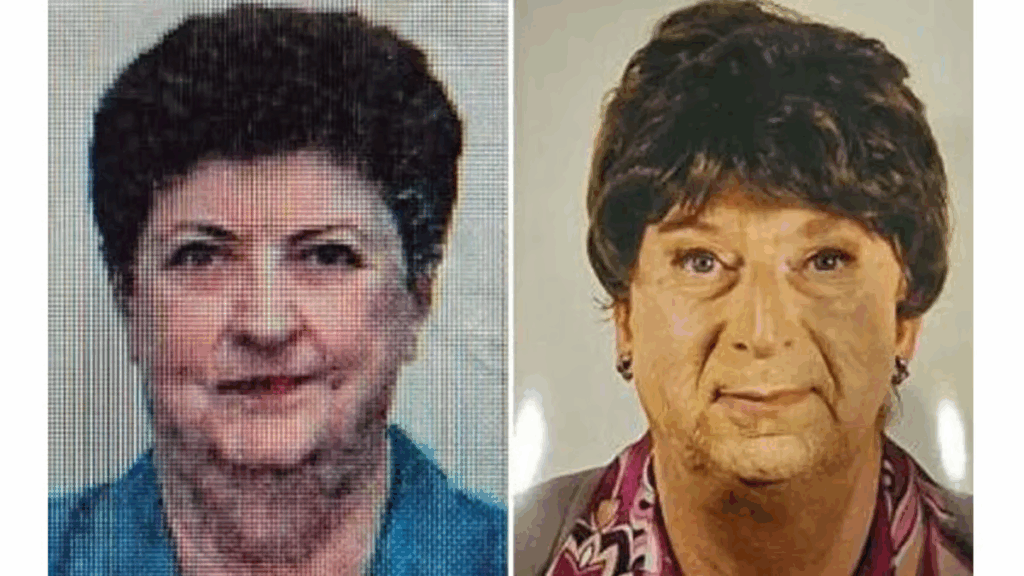
The so-called Mrs. Doubtfire scandal in Italy has captivated the world with its bizarre mix of disguise, deception, and tragedy. Authorities say a 56-year-old man successfully impersonated his dead mother for nearly three years, collecting her pension, managing her property, and even getting her official ID renewed without raising suspicion.
This case is more than a headline-grabbing oddity. It reveals how gaps in bureaucratic systems can be exploited and how social isolation and economic desperation can push people into extreme acts.
What exactly happened in the Mrs. Doubtfire scandal in Italy?
An unemployed man from Borgo Virgilio, a town in northern Italy, allegedly hid his mother’s body after she died at age 82. Instead of reporting her death, he placed her remains in a sleeping bag and stored her in the laundry room of their home.
From there, he embarked on a long-running impersonation scheme that local police described as “meticulous and disturbingly calculated.”
How he transformed himself into his mother
According to investigators and local media reports, the man applied makeup, wore wigs, and dressed in his mother’s clothing. Photos released by authorities show he bore an uncanny resemblance to her when fully disguised.
How he fooled government offices
The most astonishing detail: he managed to accompany himself to a government office to renew his dead mother’s identity card. Staff members processed the renewal without noticing anything unusual, a failure that is now under internal review.
How did the scheme go undetected for three years?
A combination of isolation and bureaucracy
The woman, Graziella Dall’Oglio, reportedly lived a quiet life with limited contact outside her home. Her absence did not immediately trigger concern in the community.
Meanwhile, Italian pension systems often rely on documentation rather than in-person verification, allowing the son to continue receiving payments.
A lack of mandatory welfare checks
Many European pension systems conduct periodic “proof of life” requirements, but these checks vary widely by region and benefit category. In this case, authorities say Dall’Oglio’s benefits did not require in-person confirmation.
Careful planning by the impersonator
Authorities say the son’s attention to detail made the ruse surprisingly convincing:
- He mimicked his mother’s voice.
- He styled his hair to match hers.
- He used makeup to recreate wrinkles and facial structure.
- He avoided interactions requiring prolonged conversation.
His subterfuge continued until small physical inconsistencies eventually gave him away.
What finally exposed the impersonation?
The breakthrough came during what should have been another routine bureaucratic interaction. A government employee noticed that the elderly “woman” standing before him had distinctly masculine features, a low voice, and a thick neck that didn’t match the ID photo.
Instead of dismissing his suspicions, the worker alerted authorities. They compared recent photographs with archived government records and quickly realized the deception.
Police searched the family home and discovered the mummified remains of Dall’Oglio, confirming that she had died years earlier.
Why did the man impersonate his mother?
Financial desperation as the driving motive
Investigators say the man was unemployed and relied heavily on his mother’s income. By hiding her death, he gained access to:
- Approximately $61,000 a year in pension benefits
- Control over a small property portfolio including three houses
- Additional state entitlements connected to senior citizens
Over several years, the fraudulent sum likely exceeded $180,000.
Emotional and psychological elements
Officials also noted that the case may involve deeper psychological issues. The son lived alone after his mother’s death and reportedly avoided social interactions. Experts say isolation can intensify irrational decision-making, especially when combined with financial stress.
Why this scandal matters beyond its sensational details
It exposes systemic vulnerabilities
The scandal highlights weaknesses in identity verification processes, particularly for elderly beneficiaries whose documentation may not be frequently updated.
Italy, like many countries, is already debating reforms to digital identity systems and biometric checks. This case will likely accelerate conversations around:
- Mandatory in-person renewals for elderly citizens
- Remote biometric authentication
- More frequent welfare checks
- Cross-referencing of pension, health, and municipal records
It raises ethical and legal questions
Hiding a body is a serious crime, but it also underscores how families sometimes feel overwhelmed by end-of-life logistics. Authorities insist that clearer guidance and easier access to government services could reduce the likelihood of similar incidents.
It prompts scrutiny of social safety nets
Pension fraud cases often stem from desperation rather than malice. This incident may prompt Italy to examine how economic precarity contributes to criminal behavior, especially among unemployed adults living with aging parents.
What happens next for the suspect?
The man is being investigated for illegally concealing a body, identity fraud, and pension theft. Italian newspaper Corriere della Sera reported that investigators are conducting a full forensic exam to determine the exact time and cause of Dall’Oglio’s death, although initial assessments suggest natural causes.
The mayor of Borgo Virgilio called the case “very strange and deeply sad,” emphasizing that beyond the criminal charges lies a story of extreme loneliness and declining social support.
TL;DR
A 56-year-old Italian man impersonated his dead mother for nearly three years, collecting her pension, managing her properties, and even renewing her identity card while dressed as her. Authorities discovered the fraud after a government employee noticed masculine features during an in-person appointment. The case, dubbed the Mrs Doubtfire scandal in Italy, has sparked national debate about identity verification, pension oversight, and social isolation.