
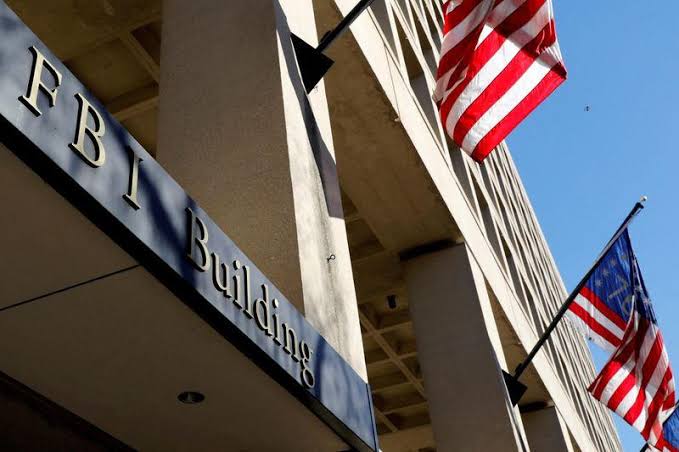

The Office of the Director of National Intelligence said on Friday that, the FBI made nearly 3.4 million queries last year to a database of information collected without a warrant, nearly tripling from the previous year.
According to ODNI, the FBI data was included for the first time in its transparency report. It included approx 1.9 million queries done as part of investigations into attempts by foreign cyber attackers to compromise U.S. critical infrastructure. Between December 2020 to November 2021, there were 3.4 million inquiries. It was up from 1.3 million between December 2019 and November 2020.
“Certain steps FBI has taken to ensure U.S. person protections apply to all U.S. person queries result in an over counting of U.S. person queries,” the report said. the report said.
Original searches fewer than the recorded ones
The real number of searches is likely to be substantially fewer, according to senior Biden administration officials. It is due to the difficulties in counting and shifting foreign data from U.S. data. The number of Americans whose data examination was by the FBI under the program was not available in the study. Although authorities acknowledged it was probably definitely a significantly smaller amount.
The FBI’s searches, according to officials, were critical to the agency’s duty of protecting the United States from national-security threats. Other types of national-security surveillance listed in the annual report decreased in frequency from year to year. However, in some cases continuing a multiyear pattern.
The queries were made to a database that contains information collected under Section 702 of the Foreign Intelligence Surveillance Act, which does not require a warrant.
Moreover, it was stated that one person could turn up using multiple queries and each of those queries could be run multiple times.
There has been a lot of criticism of the FBI’s use of Section 702 by the American Civil Liberties Union and other privacy groups. They argue that FISA was to catch foreign intelligence information, or proof of a crime not to turn up information about U.S. citizens.