Introduction: The Hidden Danger of Jet Fuel
The Air India crash’s devastation was intensified by the aircraft’s massive fuel load. The Boeing 787 was fueled for a long-haul flight to London, carrying over 20 tons of jet fuel. When the plane went down, this fuel ignited in a fireball that overwhelmed local firefighters and complicated rescue operations. For US readers, this recalls the 2013 Asiana Airlines crash in San Francisco, where a post-crash fire posed deadly challenges.
The Science of Jet Fuel Fires
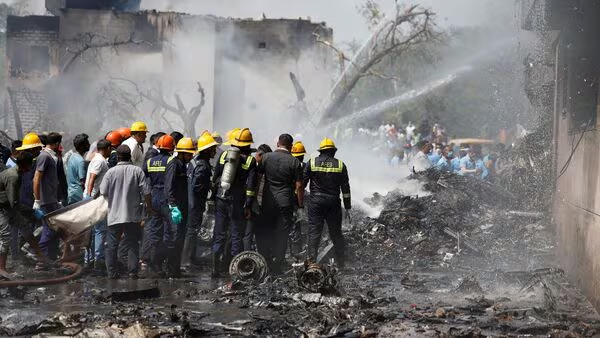
Jet fuel burns at extremely high temperatures—often exceeding 1,800°F. In the case of the Air India crash, the fireball was visible for miles, and the heat was so intense that firefighters couldn’t approach the wreckage for nearly 90 minutes. This delay proved fatal for many passengers and residents who might otherwise have survived. US airports, regulated by the FAA, are required to maintain specialized foam trucks and conduct regular fire drills, but even these measures can be overwhelmed by the sheer volume of fuel in a major crash.
Firefighting Challenges in Urban Areas
Meghani Nagar’s narrow streets and limited hydrant access further hampered firefighting efforts. Crews had to run hoses over rooftops and shuttle water from hydrants several blocks away. The fire quickly spread to nearby homes and businesses, increasing the casualty count. In the US, similar challenges have prompted investments in rapid-response vehicles and foam tenders at airports, as well as coordination with city fire departments for large-scale emergencies.
Human Cost: Delayed Rescues and Smoke Inhalation
Hospital sources reported that up to 60% of fatalities were due to smoke inhalation rather than direct trauma, echoing patterns seen in previous US and international aviation disasters. Survivors described being trapped by flames and thick smoke, unable to escape until the fire was brought under control.
Policy Implications and Lessons for the US
The Air India crash underscores the importance of continuous investment in airport firefighting resources and urban disaster preparedness. US cities with airports near residential areas—such as Chicago, Los Angeles, and San Diego—should regularly review their emergency plans and ensure that local fire departments are equipped to handle jet fuel fires.