
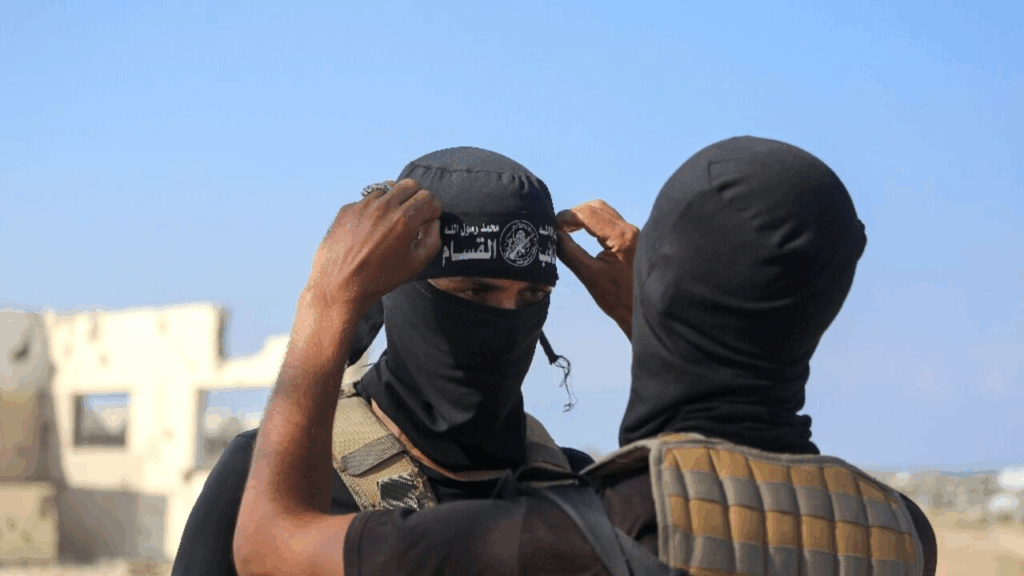
Hamas is reportedly carrying out mass public executions in Gaza as the militant group moves to reassert control over the Palestinian enclave. This comes amid escalating tensions following a U.S.-brokered truce with Israel and President Donald Trump’s pledge to disarm the organization.
Shocking video footage of the executions, circulating on social media, shows men accused of collaborating with Israel being publicly shot by Hamas gunmen. While graphic in nature, these images reveal a deeper struggle for power within Gaza, highlighting the influence of family-based armed groups and the fragile stability in the region.
Why Are Public Executions Happening in Gaza?
After Israeli Defense Forces (IDF) withdrew from key areas in Gaza, Hamas swiftly moved to consolidate its authority. In recent days, the group has targeted local clans that had expanded their influence during the conflict. These clans, often organized around powerful families, had taken on roles akin to local enforcers while Hamas faced international and military pressure.
- The Executions: Videos filmed Monday evening show eight men blindfolded, bruised, and forced to kneel in the street before being shot. Hamas labeled the men as “criminals and collaborators with Israel,” though no independent verification of these claims exists.
- Public Messaging: Crowds chanting “Allahu Akbar” gathered around the victims, signaling Hamas’s effort to present the actions as sanctioned and morally justified.
The executions reflect a classic tactic used by militant groups: combining intimidation with public spectacle to deter dissent and reinforce control.
How Hamas Is Clashing With Rival Groups
Hamas security forces have returned to the streets across Gaza, particularly in the north and Gaza City, clashing with armed rival groups. Black-masked police patrol areas previously under the influence of local clans, targeting individuals labeled as “gangsters.” Analysts suggest this is less about crime prevention and more about power consolidation in territories vacated by Israeli forces.
- Clans vs. Militants: During periods of instability, local clans in Gaza often operate as semi-autonomous armed groups. Hamas sees these networks as a challenge to its centralized authority.
- Control Measures: Public executions serve a dual purpose—sending a warning to rivals while reasserting Hamas’s authority over security and governance.
Trump’s Response and U.S. Policy
During a bilateral lunch with Argentinian President Javier Milei at the White House, President Trump commented on Hamas’s recent actions. He referred to the killings as targeting “a couple of very bad gangs” and remarked, “That didn’t bother me much, to be honest with you.”
Trump emphasized his administration’s stance: “They’re going to disarm, because they said they were going to disarm. And if they don’t disarm, we will disarm them. They know I’m not playing games.”
The remarks came shortly after the U.S. announced a $20 billion support package for Argentina’s economy, but the focus quickly returned to Gaza, signaling that the U.S. continues to prioritize pressure on Hamas while promoting regional stability.
Why This Matters
These developments in Gaza carry broader implications for regional security and U.S. foreign policy:
- Fragile Truce: Despite the ceasefire, Gaza remains volatile. Public executions risk igniting further unrest and complicating diplomatic efforts.
- Humanitarian Concerns: Arbitrary killings raise serious human rights questions and could hinder the delivery of aid and services.
- U.S. Leverage: Trump’s pledge to disarm Hamas underscores the ongoing challenge of negotiating with armed groups that blend political authority with militant operations.
- Information Warfare: Viral videos highlight the role of social media in shaping narratives. Hamas may be using these visuals to reinforce fear, loyalty, and control.
The Bigger Picture: Power Struggles in Gaza
Hamas’s actions underscore a broader pattern in conflict zones where militant organizations vie for dominance amid shifting alliances. After Israel’s withdrawal, Gaza became a microcosm of competing forces:
- Hamas: Seeks centralized control and international legitimacy while managing internal rivalries.
- Local Clans: Gain influence during conflicts, often filling security or governance voids.
- International Actors: The U.S., Israel, and neighboring states weigh intervention, support, and diplomatic options to maintain stability.
Observers note that these public executions are not just punitive; they are strategic, intended to send a clear signal that Hamas will not tolerate competition, even from former allies or influential families.
What’s Next for Gaza and U.S. Policy?
- Potential Escalation: Tensions could rise if rival clans or residents push back against Hamas authority.
- Diplomatic Efforts: The U.S. may increase pressure, using sanctions, diplomatic channels, or support for Palestinian civil society to enforce disarmament pledges.
- Monitoring Human Rights: International organizations will likely scrutinize these executions, calling for accountability and transparency.
TL;DR
Hamas has conducted public executions in Gaza to reassert authority after Israel’s withdrawal. Videos show eight men executed for alleged collaboration with Israel. The move targets powerful local clans and aims to consolidate Hamas’s control. President Trump has responded by pledging U.S. pressure to disarm Hamas, highlighting ongoing geopolitical tensions and security challenges in the region.