• About BreezyScroll
  • Privacy & Policy
  • Contact Us
Wednesday, July 22, 2026
BreezyScroll
  • Home
  • Breezy Stories
  • Technology
  • Gaming
  • Entertainment
  • Lifestyle
  • World
  • Money
  • Sports
  • Breezy Explainer
No Result
View All Result
  • Home
  • Breezy Stories
  • Technology
  • Gaming
  • Entertainment
  • Lifestyle
  • World
  • Money
  • Sports
  • Breezy Explainer
No Result
View All Result
BreezyScroll
No Result
View All Result

Home  /  World  /  Fake News Alert: India Did Not Pay in Chinese Yuan For Strait of Hormuz Transit

Fake News Alert: India Did Not Pay in Chinese Yuan For Strait of Hormuz Transit

by Siddhi Vinayak Misra
March 23, 2026
in India, Middle East, World
Reading Time: 6 mins read
Fake News Alert: India Did Not Pay in Chinese Yuan For Strait of Hormuz Transit

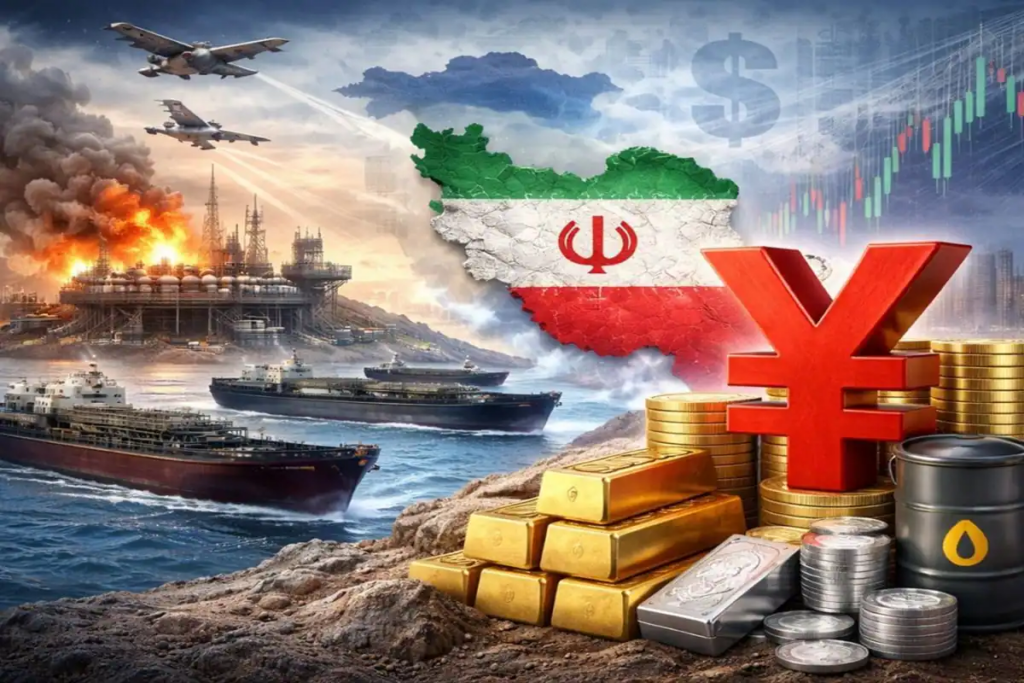
As tensions spike around the Strait of Hormuz, misinformation is moving almost as fast as warships. One viral claim suggested that India paid in Chinese yuan to allow its oil tankers to pass through the critical waterway.

The claim is false.

India’s Ministry of External Affairs has publicly rejected the narrative, calling it “fake news” and urging people to avoid spreading unverified information during a sensitive geopolitical moment.

What is the “India paid in yuan” claim?

The rumor, widely circulated on social media, suggested:

  • Indian oil tankers were allowed to cross the Strait only after paying in Chinese currency
  • A new informal system was emerging where yuan payments determined transit access
  • This marked a shift in regional trade practices

The implication was clear: geopolitical pressure was reshaping global payment systems in real time.

What the Indian government says

The MEA responded directly:

  • The claim is false and baseless
  • No such payment mechanism exists
  • The posts circulating online are misleading

This is a straightforward debunk, not a nuanced clarification.

Fake News Alert!

Please stay alert against such false and baseless claims and posts on social media! pic.twitter.com/3PwAaWp9Bu

— MEA FactCheck (@MEAFactCheck) March 19, 2026

What actually happened in the Strait of Hormuz?

While the rumor is incorrect, real developments in the region are serious.

Indian vessels did pass through — but under naval coordination

Two Indian-flagged LPG tankers:

ADVERTISEMENT
  • Jag Vasant
  • Pine Gas

successfully navigated the Strait under the supervision of the Indian Navy.

How the transit worked

  • Movement was coordinated due to heightened risk
  • Naval monitoring ensured safe passage
  • Escort support was planned after entry into the Gulf of Oman

No payments, yuan or otherwise, were involved in securing transit.

Why this fake narrative gained traction

Misinformation rarely spreads randomly. It usually taps into existing fears or assumptions.

1. Heightened geopolitical tension

The ongoing standoff involving Iran, the U.S., and regional actors has:

  • Disrupted shipping routes
  • Raised insurance costs
  • Increased uncertainty around maritime access

In this environment, almost any claim about “restricted passage” feels believable.

2. Currency politics and the yuan narrative

The idea that the Chinese yuan is replacing the U.S. dollar in global trade has been widely debated.

So when a claim suggests:

  • Oil transit tied to yuan payments
  • A shift away from dollar dominance

It fits into a broader geopolitical storyline, even if unsupported.

3. Lack of real-time clarity

In fast-moving conflicts:

  • Official updates lag behind events
  • Social media fills the gap
  • Speculation becomes “fact” through repetition

This is exactly how this claim evolved.

Why the Strait of Hormuz matters so much

The Strait is one of the most critical energy chokepoints in the world.

Key facts

  • Roughly 20% of global oil supply passes through it
  • It connects the Persian Gulf to global markets
  • Even minor disruptions impact global energy prices

When access to this route is questioned, markets react instantly.

What this incident tells us about modern conflict

This episode is less about currency and more about information warfare.

Misinformation as a parallel battlefield

False claims like this can:

  • Undermine public trust
  • Create panic in markets
  • Distort geopolitical narratives

In some cases, they can even influence policy debates.

TL;DR

  • Viral claims that India paid in Chinese yuan to cross the Strait of Hormuz are false
  • India’s Ministry of External Affairs has officially debunked the reports
  • Indian tankers crossed safely under naval coordination, not financial arrangements
  • The rumor gained traction due to geopolitical tension and existing narratives around currency shifts
  • This highlights the growing role of misinformation in global conflicts

Tags: Chinese YuanStrait of Hormuz
ShareTweetShareSend

Recent Articles

Andy Burnham Becomes UK Prime Minister After Keir Starmer’s Resignation: How Britain’s Leadership Changed Without an Election

Andy Burnham Becomes UK Prime Minister After Keir Starmer’s Resignation: How Britain’s Leadership Changed Without an Election

July 20, 2026
Google Delays Gemini 3.5 Pro Again: Reports Point to Coding Challenges Behind the Hold-Up

Google Delays Gemini 3.5 Pro Again: Reports Point to Coding Challenges Behind the Hold-Up

July 20, 2026
Apple vs OpenAI Lawsuit: Everything Apple Alleges Was Stolen in the High-Stakes Trade Secrets Case

Apple vs OpenAI Lawsuit: Everything Apple Alleges Was Stolen in the High-Stakes Trade Secrets Case

July 20, 2026
FIFA Opens Investigation After Argentina-Spain World Cup Final Brawl, Players Could Face Sanctions

FIFA Opens Investigation After Argentina-Spain World Cup Final Brawl, Players Could Face Sanctions

July 20, 2026
BreezyScroll Logo

BreezyScroll is a global content platform that provides a unique experience of enhancing the knowledge quotient for its audience by providing the latest news and updates from various categories such as politics, sports, entertainment, technology, and more.
The platform aims to provide a concise and easy-to-read format for its users. BreezyScroll covers news stories from around the world, majorly the United States. The platform was launched in 2021 and has become one of the fastest-growing content companies in the US.

Follow Us

Browse by Category

  • Africa
  • Alaska
  • Animals
  • Asia
  • Athletics
  • Australia
  • Auto
  • Basketball
  • Bollywood
  • Brand
  • Breezy Explainer
  • Breezy Feature
  • Breezy Soul
  • Business
  • Canada
  • Chess
  • China
  • Coronavirus
  • Cricket
  • DIY
  • Education
  • Entertainment
  • Environment
  • EPL
  • Europe
  • Exclusive Interview
  • Exclusive Review
  • Football
  • Gaming
  • Health
  • Hollywood
  • India
  • International
  • K Pop
  • Law
  • Lifestyle
  • Middle East
  • Money
  • NFL
  • North America
  • OTT
  • Paris Olympics
  • Pets
  • Press Releases
  • Russia
  • Science
  • South America
  • Space
  • Sports
  • Startup
  • Technology
  • Tennis
  • Tennis
  • The Achievers
  • The US
  • Travel
  • UK
  • UK
  • Uncategorized
  • World
  • WWE

Trending Topics

AI Apple Australia Biden California Canada ChatGPT China Climate Change Coronavirus COVID-19 Donald Trump Elon Musk Featured Florida Google IPL Iran Japan Joe Biden Mars Meta Moon NASA NBA Netflix New York North Korea Ohio OpenAI Putin Russia Russia-Ukraine crisis South Korea Taliban Tesla Texas TikTok Trump Twitter UFO UK Ukraine USA Virat Kohli

No Result
View All Result
  • About BreezyScroll
  • Privacy & Policy
  • Contact Us

© 2024 · BreezyScroll.com

No Result
View All Result
  • Home
  • Breezy Stories
  • Technology
  • Gaming
  • Entertainment
  • Lifestyle
  • World
  • Money
  • Sports
  • Breezy Explainer

© 2024 · BreezyScroll.com

Go to mobile version