
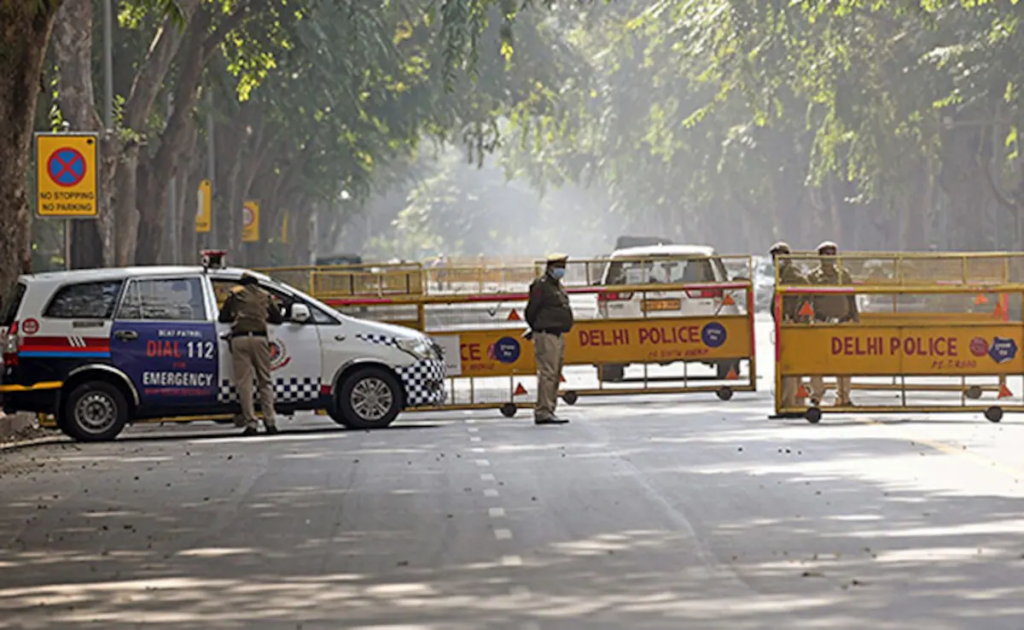
More than 800 people vanished in India’s capital in the first two weeks of 2026, a statistic that has jolted policymakers, law enforcement officials, and child rights advocates alike. Between January 1 and January 15, 807 people were reported missing in Delhi, according to police data, an average of 54 cases every single day.
The numbers are stark on their own. What makes them more alarming is who is missing, how many remain untraced, and how this short snapshot fits into a much larger, decade-long pattern that suggests the problem is deepening, not easing.
How Many People Went Missing in Delhi in Early 2026?
In just 15 days, Delhi recorded:
- 807 missing persons
- 509 women and girls
- 298 men
- 191 minors
- An average of 13 children are reported missing every day
Police have so far managed to trace 235 people, while 572 remain untraced, meaning nearly seven out of every ten missing persons have not been found.
These are not projections or estimates. They are reported cases—each one representing a family waiting for answers.
Why Are Women and Girls the Majority of the Missing?
Women and girls account for over 63% of all missing persons reported in the first half of January. This mirrors a long-standing pattern in Delhi’s missing persons data.
Among the 191 minors reported missing:
- 146 were girls
- 45 were boys
- Only 48 children were traced
- Nearly 71% of adolescents remain untraced
This gender imbalance raises persistent concerns around trafficking, forced labor, exploitation, and domestic vulnerability, particularly for adolescent girls.
What Do the Child Missing Cases Show?
A closer look at the age-wise breakdown reveals worrying trends.
Adolescents (13–17 years)
- 121 adolescents remain untraced
- Police traced 29 girls and 19 boys
- This age group has the lowest recovery rate
Experts often point out that adolescents are especially vulnerable due to a mix of factors: runaway cases, grooming, trafficking networks, and gaps in inter-state coordination.
Children Aged 8–12 Years
- 13 children reported missing
- 8 boys
- 5 girls
- Only 3 boys were traced
- 10 children remain untraced
Children Under 8 Years
- 9 children reported missing
- Only 3 boys were found
- 6 children remain missing
While the absolute numbers are smaller in younger age groups, the fact that so many remain untraced underscores serious gaps in early response and recovery mechanisms.
Adults Make Up the Largest Share of Missing Persons
Children dominate public concern, but adults continue to make up the largest portion of missing cases.
Between January 1 and 15:
- 616 adults were reported missing
- 363 women
- 253 men
Police traced:
- 91 women
- 90 men
That still leaves 435 adults untraced in just two weeks.
The reasons adults go missing are more varied—ranging from migration-related issues and mental health crises to family disputes and suspected crimes—but the recovery rate remains troublingly low.
How Does This Compare to 2025?
The early 2026 numbers are not an isolated spike. They sit atop an already grim baseline.
In 2025, Delhi recorded:
- 24,508 missing persons
- 14,870 women (over 60%)
- 9,638 men
Police managed to trace:
- 15,421 individuals
But 9,087 cases remain unresolved, meaning tens of thousands of families are still without closure.
A Decade of Missing Persons: The Bigger Picture
A decadal analysis from 2016 to 2026 paints an even more unsettling picture.
Over the past ten years:
- 2,32,737 people were reported missing in Delhi
- Approximately 1.8 lakh were traced
- Nearly 52,000 cases remain unresolved
That’s not just a backlog—it’s a growing archive of unresolved disappearances.
Despite technological advances in surveillance, policing, and data systems, the number of unresolved cases continues to climb.
Why Are So Many Cases Still Untraced?
Law enforcement officials cite several structural challenges:
1. Inter-State Mobility
Delhi’s population is highly mobile. Many missing persons are migrants who may travel across state lines, complicating tracking and jurisdiction.
2. Resource Constraints
Each missing persons case demands manpower, follow-ups, and coordination with other states. High case volumes stretch police resources thin.
3. Delayed Reporting
In many cases—especially involving adults—families delay filing reports, reducing the chances of quick recovery.
4. Vulnerability of Minors
Children, particularly adolescents, are vulnerable to grooming, trafficking networks, and informal labor markets that operate across state borders.
What Happens After a Missing Report Is Filed?
Under Indian law, missing persons, especially minors, must be registered immediately, often as FIRs in the case of children. Police circulate details, alert nearby jurisdictions, and check shelters, hospitals, and transit hubs.
Yet activists argue that implementation varies widely, and early hours—often critical—are sometimes lost.
Child rights groups have repeatedly called for
- Faster nationwide alerts
- Standardized recovery protocols
- Better use of technology and databases
- Dedicated missing persons units
Why This Matters Beyond the Numbers
Statistics can feel abstract, but the impact is deeply personal.
Every untraced case represents:
- A family in prolonged uncertainty
- Children exposed to exploitation risks
- Gaps in urban safety and social support systems
Delhi is not unique, but as India’s capital, its numbers often signal broader national trends.
The early 2026 data suggest that missing persons are not just a crime issue—they’re a governance issue, touching migration, child protection, women’s safety, mental health, and law enforcement capacity.
What Needs to Change?
Experts and advocacy groups point to several urgent priorities:
- Early intervention in the first 24–48 hours
- Improved inter-state coordination
- Public awareness about prompt reporting
- Dedicated tracking units for minors and women
- Transparent public data dashboards to track outcomes
Without structural changes, the backlog of unresolved cases will continue to grow.
TL;DR
- 807 people went missing in Delhi in the first 15 days of 2026
- Women and girls account for over 60% of cases
- 191 minors were reported missing; most remain untraced
- 572 people are still missing from this short period alone
- Over the last decade, nearly 52,000 cases remain unresolved
- The data points to a long-term, systemic challenge—not a short-term spike