
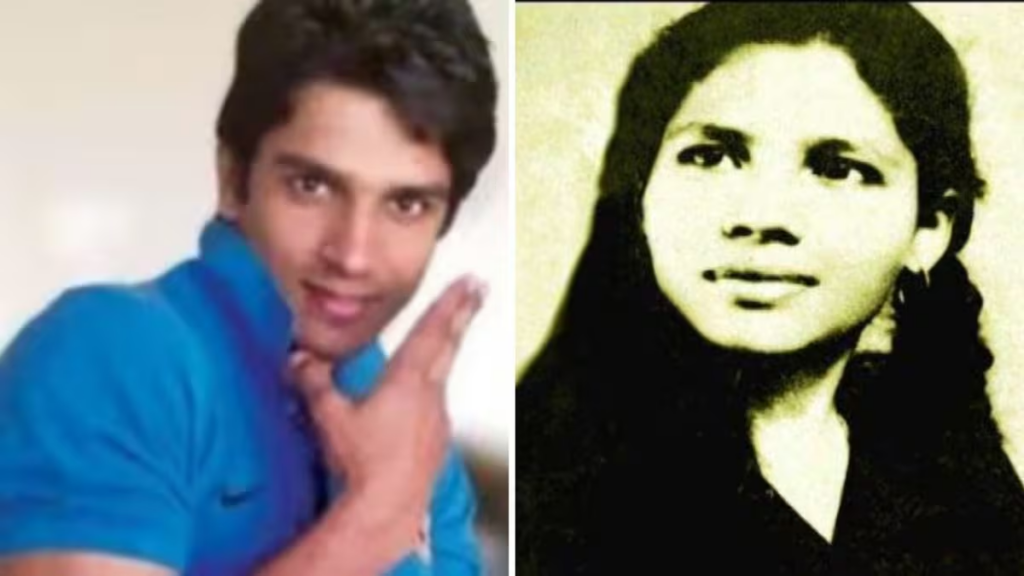
The death of Harish Rana, the first individual in India to receive legal approval for passive euthanasia, marks a defining moment in the country’s evolving approach to end-of-life care. His passing on March 24, 2026, at All India Institute of Medical Sciences closes a deeply complex chapter that sits at the intersection of medicine, law, and ethics.
For more than a decade, Rana remained in a coma following a traumatic accident. His case ultimately led to a historic decision by the Supreme Court of India—one that could reshape how India handles dignity in death.
What is the Harish Rana passive euthanasia case?
The Harish Rana passive euthanasia case refers to the first instance in India where the Supreme Court explicitly permitted the withdrawal of life-sustaining treatment under controlled, legally sanctioned conditions.
Rana, a 31-year-old former BTech student at Panjab University, had been in a persistent vegetative state since 2013. A fall from a fourth-floor balcony caused severe brain injury, leaving him dependent on artificial nutrition and intermittent oxygen support.
For 13 years, there was no meaningful neurological recovery.
Why his case stood out
Unlike earlier euthanasia-related cases in India, Rana’s situation:
- Involved prolonged medical observation over more than a decade
- Demonstrated no signs of recovery despite sustained care
- Included family consent and medical consensus
- Required judicial clarity on procedural safeguards
This combination pushed the judiciary to move beyond abstract guidelines and into real-world application.
How did the Supreme Court of India allow passive euthanasia?
On March 11, 2026, the Supreme Court of India authorised passive euthanasia in Rana’s case. The ruling did not simply permit withdrawal of life support—it outlined a structured, medically supervised process.
Key elements of the court’s directive
- Gradual withdrawal: Life-sustaining interventions were not stopped abruptly
- Medical oversight: A multidisciplinary team monitored every step
- Ethical safeguards: The process prioritised dignity and minimised suffering
- Institutional accountability: Implementation was entrusted to a premier public hospital
This approach reflects a cautious but definitive step toward operationalising India’s passive euthanasia framework.
What protocols were followed at AIIMS Delhi?
Rana was transferred to the palliative care unit at AIIMS’ Dr. B.R. Ambedkar Institute Rotary Cancer Hospital on March 14, 2026. What followed was a highly coordinated medical process.
Multidisciplinary medical team
The case was handled by specialists across multiple fields:
- Anaesthesia and palliative medicine
- Neurosurgery
- Onco-anesthesia
- Psychiatry
The team was led by Dr. Seema Mishra, highlighting the importance of palliative care expertise in end-of-life decisions.
Step-by-step medical process
- Gradual withdrawal of artificial nutritional support
- Continuous monitoring of vital parameters
- Symptom management to ensure comfort
- Psychological and ethical oversight
This wasn’t just a clinical procedure—it was a carefully managed transition designed to uphold dignity.
Why does the Harish Rana passive euthanasia case matter?
This case goes beyond one individual. It sets a precedent that could influence medical practice, legal interpretation, and family decision-making across India.
1. It operationalises existing legal principles
India had previously recognised passive euthanasia in principle (notably in earlier landmark cases). However, real-world implementation remained unclear.
Rana’s case provides a working model.
2. It strengthens patient dignity in law
The ruling reinforces the idea that:
- Prolonging life is not always synonymous with preserving dignity
- Medical care must align with quality of life considerations
3. It clarifies hospital responsibilities
Hospitals now have a reference framework for:
- Forming review boards
- Coordinating multidisciplinary teams
- Documenting end-of-life decisions
4. It empowers families
Families often face emotional and ethical dilemmas in prolonged life-support cases. This case:
- Validates their role in decision-making
- Provides legal backing for difficult choices
How does passive euthanasia work in India?
Passive euthanasia involves withdrawing or withholding medical treatment that prolongs life, allowing the patient to die naturally.
What it includes
- Removal of feeding tubes
- Withdrawal of ventilator or oxygen support
- Stopping life-sustaining medications
What it does not include
- Active intervention to cause death (which remains illegal in India)
Legal safeguards typically required
- Consent from family or legal guardians
- Medical board approval
- Judicial oversight in complex cases
Ethical questions raised by the case
Even with legal clarity, the Harish Rana case raises difficult questions.
Where do we draw the line?
- When does treatment become a prolongation of suffering?
- Who decides—doctors, courts, or families?
Is access equitable?
AIIMS is one of India’s top institutions. Replicating such protocols in smaller hospitals may be challenging.
Could this lead to misuse?
Strict safeguards are meant to prevent abuse, but implementation consistency will be key.
What changes next for India’s healthcare system?
The implications of the Harish Rana passive euthanasia case are likely to unfold over time.
Expected developments
- Standardized hospital protocols for end-of-life care
- Greater role for palliative medicine in treatment planning
- Legal clarity for doctors hesitant to withdraw life support
- Increased public awareness about living wills and advance directives
The human story behind the legal milestone
It’s easy to focus on the legal and medical aspects, but Rana’s case is, at its core, deeply personal.
For 13 years:
- He remained dependent on caregivers
- His family lived with uncertainty
- Doctors managed long-term, non-recurring care
His death, while tragic, represents a shift toward acknowledging that dignity matters—not just in life, but in death.
TL;DR
- Harish Rana became the first person in India to be granted legal approval for passive euthanasia
- The Supreme Court of India allowed a structured withdrawal of life support
- AIIMS Delhi implemented the process using a multidisciplinary medical team
- The case sets a precedent for end-of-life care, legal safeguards, and patient dignity in India