
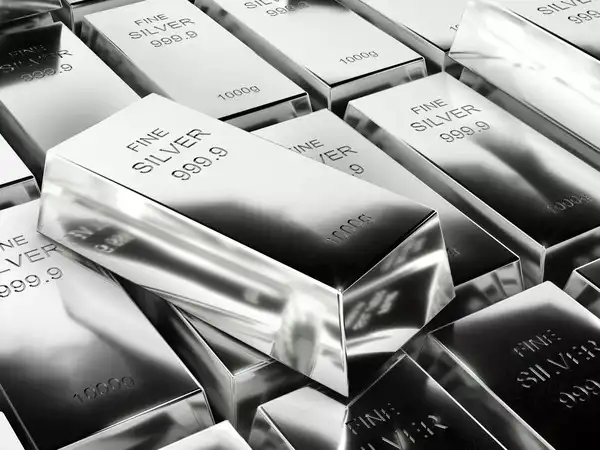
India has imposed fresh restrictions on silver imports, tightening oversight on bullion and industrial precious metals as the government moves to contain rising import pressures and strengthen regulatory control over the sector.
Under the revised policy, imports of high-purity silver bars, unwrought silver, semi-manufactured silver, and silver powder will no longer be freely allowed. Instead, importers will now require prior government approval before shipments can enter the country.
The move takes effect immediately and marks another major step in India’s broader clampdown on precious metals imports after recent increases in gold and silver import duties.
What exactly has changed in India’s silver import policy?
The government has shifted several silver categories from the “free” import regime to the “restricted” category under India’s import policy framework.
That means businesses can no longer automatically import these products through routine customs procedures.
Silver categories now requiring approval include:
- 99.9% purity silver bars
- Unwrought silver
- Semi-manufactured silver
- Silver powder
The changes were introduced through amendments to the import policy schedule under the ITC (HS) classification system.
Under the new framework:
- Imports now require explicit government permission
- Certain transactions will also fall under the Reserve Bank of India oversight
- Compliance scrutiny for importers is expected to increase significantly
The policy came into force immediately after notification.
Why is India restricting silver imports now?
The decision appears tied to a larger economic and strategic effort to reduce pressure from precious metals imports on India’s trade balance.
India is one of the world’s largest importers of the following:
- Gold
- Silver
- Precious stones
Because the country imports most of its precious metals requirements, spikes in bullion imports can widen the trade deficit and increase pressure on foreign exchange reserves.
Silver demand has also grown sharply in recent years because the metal is no longer used only for jewelry and investment.
It now plays a major role in:
- Solar panels
- Electric vehicles
- Electronics
- Industrial manufacturing
- Battery technologies
That has increased both import volumes and the government’s focus on monitoring inflows.
The silver restrictions are part of a broader precious metals crackdown
The latest move did not happen in isolation.
In recent months, the Indian government has already:
- Raised import duties on gold and silver to 15%
- Tightened rules for duty-free gold imports
- Increased scrutiny under the Advance Authorization (AA) scheme
- Introduced stricter compliance reporting for exporters
The government appears focused on closing loopholes and improving monitoring across the precious-metals supply chain.
What changed under the gold import rules?
Under revised DGFT rules:
- Gold imports under the AA scheme were capped at 100 kg per license
- First-time applicants now face mandatory factory inspections
- Repeat applicants must meet tighter export compliance standards
- Additional reporting requirements backed by chartered accountants were introduced
The silver import changes now extend that tighter regulatory approach deeper into the bullion market.
What does “restricted” import status actually mean?
In India’s trade policy framework, products generally fall into categories such as:
- Free
- Restricted
- Prohibited
When an item is classified as “restricted”:
- Imports are still legal
- But importers need prior government approval or licensing
- Authorities can regulate quantity, source, and end use
This gives policymakers greater control over inflows and allows the government to intervene more quickly if import volumes surge.
For businesses, however, it often means:
- Longer approval timelines
- More paperwork
- Greater compliance costs
- Higher uncertainty around supply chains
Which industries could feel the impact?
The impact may extend beyond bullion traders and jewelry businesses.
Silver is increasingly critical to several modern industries.
Key sectors that rely heavily on silver include:
- Solar energy manufacturing
- Electronics
- Automotive components
- EV technology
- Medical devices
- Industrial chemicals
India’s rapidly growing solar manufacturing sector could be particularly sensitive because silver is used in photovoltaic cells.
Any disruption or slowdown in silver imports may:
- Increase costs
- Delay procurement
- Affect manufacturing timelines
That said, the actual impact will depend on how quickly approvals are processed under the new system.
Could the policy affect silver prices in India?
Potentially, yes.
Market analysts will likely watch for the following:
- Slower import approvals
- Reduced supply availability
- Increased compliance costs
- Changes in bullion market liquidity
If import flows tighten significantly, domestic silver prices could rise relative to international benchmarks.
However, much depends on:
- How restrictive approvals become
- Whether quotas emerge later
- Global silver price movements
- Industrial demand trends
For now, the government has not announced quantitative caps on imports.
Why governments increasingly monitor precious metals closely
Precious metals sit at the intersection of:
- Trade policy
- Currency stability
- Tax enforcement
- Financial regulation
- Industrial strategy
Governments often tighten controls when:
- Import bills rise sharply
- Currency pressures intensify
- Smuggling risks increase
- Trade deficits widen
India’s latest moves suggest policymakers are becoming more cautious about large-scale bullion inflows amid global economic uncertainty and rising commodity volatility.
The inclusion of RBI-linked oversight for certain categories also signals that authorities want closer monitoring of financing and payment mechanisms tied to bullion imports.
What happens next?
Importers will now need to adapt quickly to the revised compliance structure.
Key questions businesses will be watching include:
- Which authority will issue approvals?
- How long will approvals take
- Whether quotas or volume caps could follow
- How industrial users will be treated
- Whether additional precious metals face future restrictions
The policy shift also reflects a broader trend: India is becoming more interventionist in sectors tied to strategic commodities, trade balances, and industrial supply chains.
Silver may be the latest target, but it is unlikely to be the last.
TL;DR
- India has moved several silver categories from “free” to “restricted” import status
- 99.9% purity silver bars now require government approval before import
- Unwrought silver, semi-manufactured silver, and silver powder are also affected
- The move is part of a broader clampdown on precious metals imports
- India previously raised gold and silver import duties to 15%
- Industrial sectors, including solar and electronics, could feel the impact