
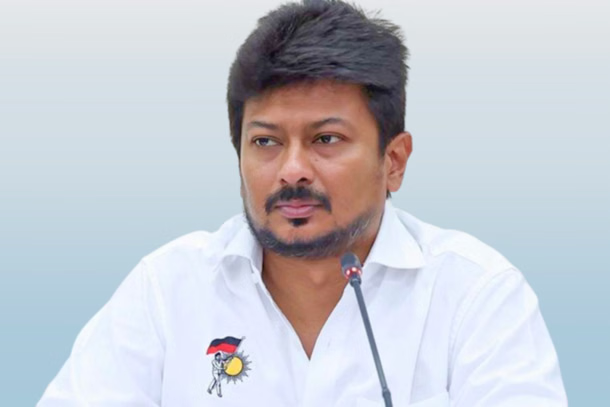
As Tamil Nadu gears up for a crucial election cycle, the state’s political landscape is experiencing a noticeable shift. While the ruling Dravida Munnetra Kazhagam (DMK) is heavily campaigning on its track record of welfare and governance, a parallel storyline is capturing the public’s attention: a highly calibrated leadership transition within the party.
The Meteoric Rise of Udhayanidhi Stalin
At the center of this political discourse is Udhayanidhi Stalin. Once a reluctant political figure, his rapid ascent from Youth Wing Secretary and MLA to minister and now deputy chief minister has occurred in a remarkably short time.
While DMK loyalists view his trajectory as the organic growth of a dynamic young leader, critics and political analysts argue otherwise. Many see his progression as a carefully structured and strategically guided succession plan.
An Evolving ‘Dual Leadership’ Dynamic
This perception of a pre-planned transition is amplified by vocal endorsements from senior DMK leaders, many of whom are already publicly positioning Udhayanidhi as the future chief minister.
Although Chief Minister M.K. Stalin remains the central face of the ongoing campaign, there is a visible shift in administrative focus. From steering high-level Secretariat meetings to monitoring district-level programs, Udhayanidhi’s growing prominence has sparked concerns about an evolving “dual leadership” dynamic. Critics warn that this trend risks overshadowing seasoned ministers with decades of administrative experience and creating ambiguity in the state’s governance structure.
A Clash with the ‘Dravidian Model’?
At the heart of this succession debate lies a deeper ideological conflict. Historically, the DMK has championed the “Dravidian Model,” a political philosophy rooted in:
- Social justice
- Inclusivity
- Merit-based progress
However, the perceived consolidation of power within a single family has led observers to question whether the realities of political succession are challenging these foundational principles. With Tamil Nadu’s population exceeding eight crore, critics argue that leadership should reflect a broad democratic base rather than a narrow concentration of authority.
What This Means for Tamil Nadu Voters
Historically, Tamil Nadu’s political discourse has prioritized ideology and policy over personality-centric narratives. Yet, as succession politics takes center stage, the upcoming elections are shaping up to be more than just a contest between rival parties.
For the electorate, this election will serve as a critical referendum on the balance between institutional experience and family continuity. Ultimately, the outcome will not just decide the next government but also dictate the future trajectory of political power in Tamil Nadu.