
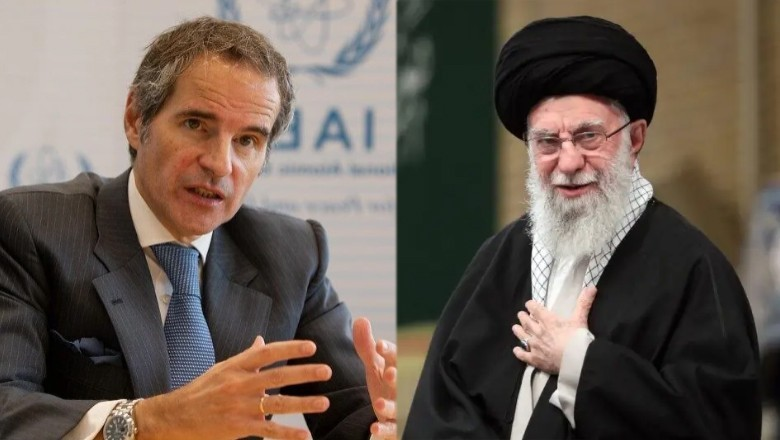
Iran has taken a drastic step in its nuclear standoff with the West, formally suspending cooperation with the International Atomic Energy Agency (IAEA)—the UN’s nuclear watchdog. The move comes just days after US airstrikes targeted three key Iranian nuclear facilities, escalating an already volatile situation in the Middle East.
Here’s what this means—and why it matters.
Why Did Iran Suspend IAEA Cooperation?
Iranian President Masoud Pezeshkian signed the suspension into law on July 2, following overwhelming approval from Parliament (221-1 vote). The decision was framed as a direct response to:
- Recent US strikes (June 2025) on nuclear sites in Esfahan, Fordow, and Natanz—allegedly crippling parts of Iran’s program.
- IAEA’s June 12 resolution accusing Iran of non-compliance with nuclear safeguards.
- IAEA chief Rafael Grossi’s push to inspect bombed facilities, which Iran called “meaningless and possibly malign.”
Iran insists its nuclear program is peaceful, but the US and allies have long suspected weapons development. By cutting off IAEA access, Tehran is effectively shutting down all external oversight, raising fears of unchecked nuclear activity.
What Does This Mean for Global Security?
1. A Major Blow to Nuclear Monitoring
The IAEA’s job is to verify compliance with the Nuclear Non-Proliferation Treaty (NPT). Without inspections:
- No transparency on uranium enrichment levels.
- No way to confirm if Iran is secretly advancing toward a bomb.
- Increased risk of miscalculation by Israel or the US.
2. Escalation With the West
- The US has already struck Iranian nuclear sites, claiming to have “obliterated” key capabilities.
- Iran’s move signals defiance, not retreat—raising chances of further military action.
- France (which has tried diplomacy) expressed concern, but Tehran dismissed talks, blaming IAEA “bias.”
3. Regional Fallout
- Israel, which bombed Iran in June, may see this as proof of nuclear weapons ambitions.
- Saudi Arabia & Gulf states could push for stronger US intervention.
- If Iran expands enrichment, it risks a new arms race in the Middle East.
What Happens Next?
Possible Scenarios:
Diplomatic Pressure – The UN Security Council could impose new sanctions, but Russia/China may block them.
Covert Sabotage – Israel or the US might escalate cyberattacks or assassinations of nuclear scientists.
Military Strikes – If Iran restarts high-level enrichment, preemptive attacks could follow.
The Bigger Picture
This isn’t just about Iran—it’s a test of global nuclear governance. If the IAEA is locked out, it sets a dangerous precedent for North Korea, Saudi Arabia, or others to follow suit.