

Rumors claiming that Israel’s Prime Minister Benjamin Netanyahu has died began spreading widely on social media this week. The claims surfaced during heightened tensions in the Middle East after joint US-Israel strikes that reportedly killed Iran’s supreme leader, Ali Khamenei.
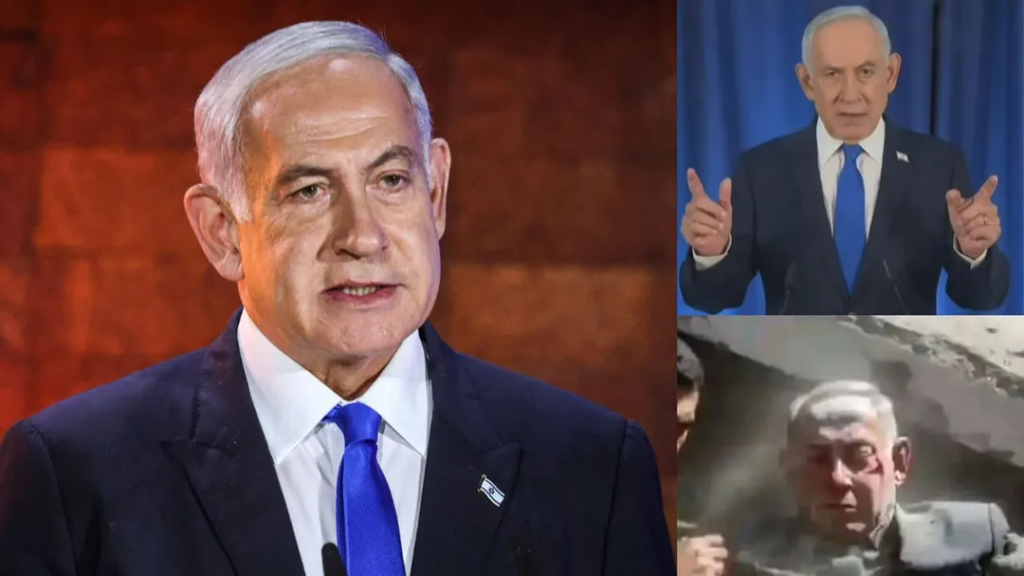
Fueling the speculation were viral images that appeared to show Netanyahu injured and covered in dust, along with allegations that a recent video of him addressing the public was created using artificial intelligence.
However, available evidence and official statements indicate that the claims are false. Here’s what actually happened and why the rumors spread so quickly.
Are the viral photos of Netanyahu injured real?
No. The images circulating online that appear to show Netanyahu wounded in rubble are widely believed to be fabricated or AI-generated.
The photos were initially shared by unverified social media accounts and quickly spread across platforms such as X.
In one widely shared image, several people appear to be holding up the Israeli leader while dust and debris cover his face. Another photo seems to show him lying down with visible injuries.
Fact-checkers and AI detection tools have flagged both images as likely manipulated or generated using AI tools.
Several outlets and verification platforms reported that there is no credible evidence showing that Netanyahu was injured in any recent attack.
Is Benjamin Netanyahu alive?
Yes. Multiple credible sources confirm that Benjamin Netanyahu is alive.
Israeli officials and reputable news organizations have reported that he:
• has continued to make public appearances
• addressed the nation during the ongoing conflict
• remains active in Israel’s political leadership
Reports also indicate that Netanyahu was seen speaking publicly as recently as March 12, 2026, contradicting the viral claims.
Where did the rumors about Netanyahu’s death start?
The rumors appear to have been triggered by a separate claim that a video of Netanyahu addressing Israelis was AI-generated.
The clip was posted on the official account of the Israeli prime minister on X.
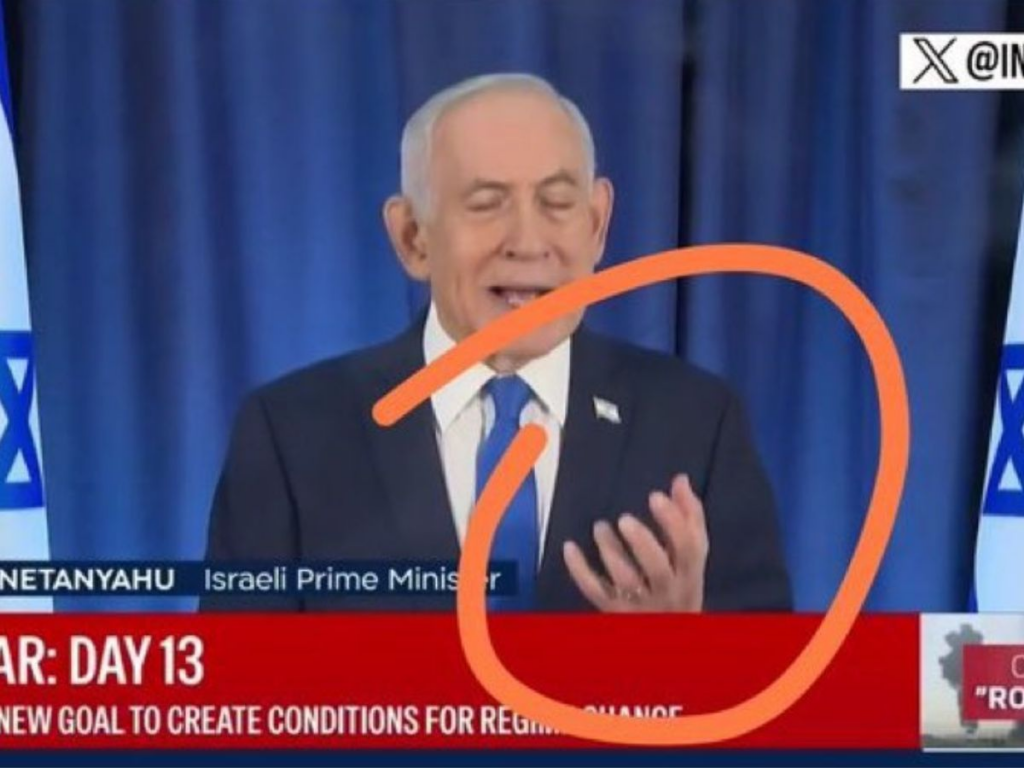
Some users claimed the footage looked artificial and suggested that a supposed visual glitch showed six fingers on Netanyahu’s hand, which they argued was evidence of AI manipulation.
However, there is no verified evidence that the video was created using artificial intelligence.
Experts note that compression artifacts, lighting distortions, or camera angles can sometimes create visual illusions that appear unusual in screenshots.
Why misinformation spreads quickly during conflicts
The rumors emerged during a particularly sensitive geopolitical moment.
Tensions between Israel and Iran escalated after joint strikes by the United States and Israel reportedly killed Iran’s supreme leader, Ali Khamenei.
During wartime or major geopolitical crises, misinformation tends to spread rapidly because:
• people seek updates quickly
• unverified claims gain traction on social media
• AI-generated images can appear convincing
• propaganda or disinformation campaigns may circulate misleading content
Experts say social media platforms often struggle to contain false information during fast-moving global events.
What about claims involving Netanyahu’s son?
Another claim circulating online attempted to connect the rumors to the activity of Netanyahu’s son, Yair Netanyahu.
Some posts suggested that his lack of new posts on X after March 8 indicated a “family loss.”
However, available activity on the platform shows that Yair Netanyahu reposted content on March 9, although he did not publish new posts of his own.
There is no evidence linking his social media activity to the false death rumors.
How AI images are fueling misinformation online
The incident highlights how AI-generated images and videos are increasingly being used in misinformation campaigns.
Modern AI tools can generate highly realistic images that resemble real photographs, making it harder for users to distinguish between authentic and fabricated content.
Common signs of AI-generated images include:
• unnatural hand shapes or extra fingers
• inconsistent lighting or shadows
• distorted facial features
• unrealistic textures in rubble or background
Why fact-checking matters in fast-moving conflicts
False rumors about the death of political leaders are not new, but the speed at which they spread online has increased dramatically.
In the current case, the viral images and AI video claims circulated widely before fact-checks began debunking them.
Analysts warn that misinformation during geopolitical crises can:
• cause public confusion
• inflame tensions
• undermine trust in credible reporting
TL;DR
Rumors claiming that Israeli Prime Minister Benjamin Netanyahu has died are false.
Viral images showing him injured in rubble have been flagged as AI-generated or manipulated, and the claims that a recent video of him was AI-created remain unproven.
Multiple sources confirm Netanyahu is alive and continues to be active publicly.