
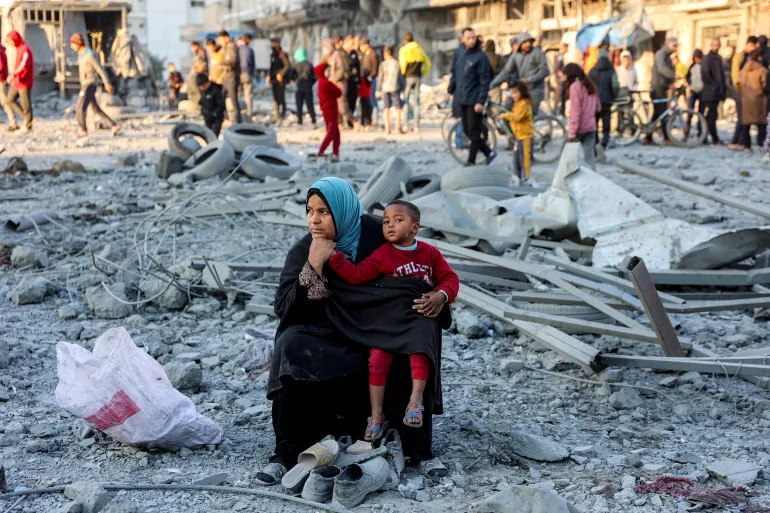
As part of a U.S.-backed ceasefire deal, Israel has agreed to release 250 Palestinian security prisoners and 1,722 Gazans in exchange for the return of 48 remaining hostages held by Hamas. The controversial agreement excludes high-profile figures like Marwan Barghouti and is stirring strong emotions among Israelis and Palestinians alike. Here’s what’s included in the deal, who’s being left out, and why this moment could reshape the region’s political dynamics.
What Is the Israel Prisoner Release Deal?
On Friday, Israel published the names of 250 Palestinian prisoners it has agreed to release as part of a ceasefire agreement with Hamas. The deal, brokered with U.S. backing, is part of a wider arrangement aimed at securing the release of 48 hostages still held in Gaza.
The prisoner list includes individuals affiliated with Hamas, Islamic Jihad, Fatah, and the Popular Front for the Liberation of Palestine—groups responsible for past terror attacks that killed dozens of Israelis.
But the list also leaves out a major name: Marwan Barghouti, the high-profile Fatah leader often touted as a possible successor to Palestinian Authority President Mahmoud Abbas.
Alongside the 250 named prisoners, Israel will also:
- Release 1,722 Gazans arrested during the current Gaza war (most not linked to the October 7 attacks)
- Return the bodies of 360 Gazan militants
However, no prisoners or bodies will be released until all remaining hostages are freed—20 confirmed alive, 26 confirmed dead, and two whose status is uncertain.
Who Are the Prisoners Being Released?
The 250 Palestinian Security Prisoners
These individuals have been identified as affiliated with:
- Hamas
- Palestinian Islamic Jihad
- Fatah
- Popular Front for the Liberation of Palestine
Many were convicted of participating in or planning terror attacks. Israeli authorities have started notifying the families of terror victims about the releases—an emotionally charged move that has reignited painful memories.
“There’s no doubt everyone needs to come home,” said Dani Dagan, daughter of a lynching victim, in an interview with Israel’s Channel 12. “The living to their families… the dead to a proper burial.”
The 1,722 Gazans
These individuals fall into a separate category:
- 1,411 in Israeli Prison Service custody
- 311 held by the IDF
- 22 minors
According to officials, these detainees were arrested during military operations following the October 7 attacks but were not involved in the massacre itself.
This distinction appears aimed at softening political backlash, though critics argue it doesn’t remove the security risk entirely.
Why Was Marwan Barghouti Left Off the List?
Marwan Barghouti is a name that looms large in Palestinian politics. The 66-year-old is seen by many Palestinians as a unifying figure—both for his grassroots credibility and support of a two-state solution.
Hamas reportedly demanded his release as a central condition in negotiations, signaling his strategic and symbolic importance. However, Israel refused to include him in the current deal, likely to avoid strengthening his political leverage ahead of any future Palestinian elections.
According to sources cited by The Times of Israel, “Barghouti’s fate remains absolutely central to these talks.”
Why it matters:
- Barghouti could emerge as the next Palestinian Authority President.
- His release would reshape Palestinian leadership, potentially challenging both Hamas and Fatah status quos.
- Keeping him in prison delays that political shift—but for how long?
What’s the Timeline—and What’s at Stake?
The ceasefire deal is structured as a staggered exchange:
- Hamas must release all 48 hostages—living and deceased.
- In return, Israel will:
- Free the 250 named prisoners
- Release the 1,722 Gazans
- Return 360 militant bodies (excluding the Sinwar brothers, leaders of the October 7 attacks)
If either side falters, the entire agreement could unravel—jeopardizing the lives of hostages and political stability on both sides.
How Are Israelis and Palestinians Reacting?
In Israel
Reaction is deeply divided:
- Victims’ families express grief, anger, and resignation—torn between the pain of seeing killers go free and the hope of bringing their own loved ones home.
- Politicians are under pressure from both the right and center, with some accusing the government of caving to Hamas.
In Gaza
Meanwhile, thousands of displaced Palestinians are returning to Gaza City, now reduced to rubble. Images from the region show families walking more than 20 kilometers on foot, carrying what little they have left. Many appear malnourished and exhausted, having endured months of bombardment, hunger, and trauma.
Their return underscores the urgent humanitarian crisis unfolding in parallel with the political negotiations.
Suggested Visual: A timeline infographic showing the October 7 attack, hostage events, ceasefire talks, and current status of negotiations.
Why This Deal Could Shift the Political Landscape
This isn’t just a prisoner swap—it’s a turning point in Israel-Palestinian relations:
- Hamas is trying to frame the deal as a win, showing it can extract concessions from Israel through force.
- Israel is walking a political tightrope, balancing public outrage with the moral imperative to bring hostages home.
- The U.S. and Qatar, key brokers, are signaling a more engaged role in shaping what comes next in the region.
Long-term implications to watch:
- Will the release of prisoners embolden further attacks or empower moderation?
- Could this pave the way for renewed political talks—or another spiral of violence?
- What happens if Barghouti becomes a free man and a presidential candidate?
Final Take
The Israel prisoner release, tied to the fate of hostages and Gaza’s future, is more than a negotiated truce—it’s a flashpoint that could define the next phase of the Israeli-Palestinian conflict. Every name on the list, every body returned, and every hostage freed carries political weight. And with power players like Marwan Barghouti waiting in the wings, the full impact of this deal may not be felt for months—or even years.