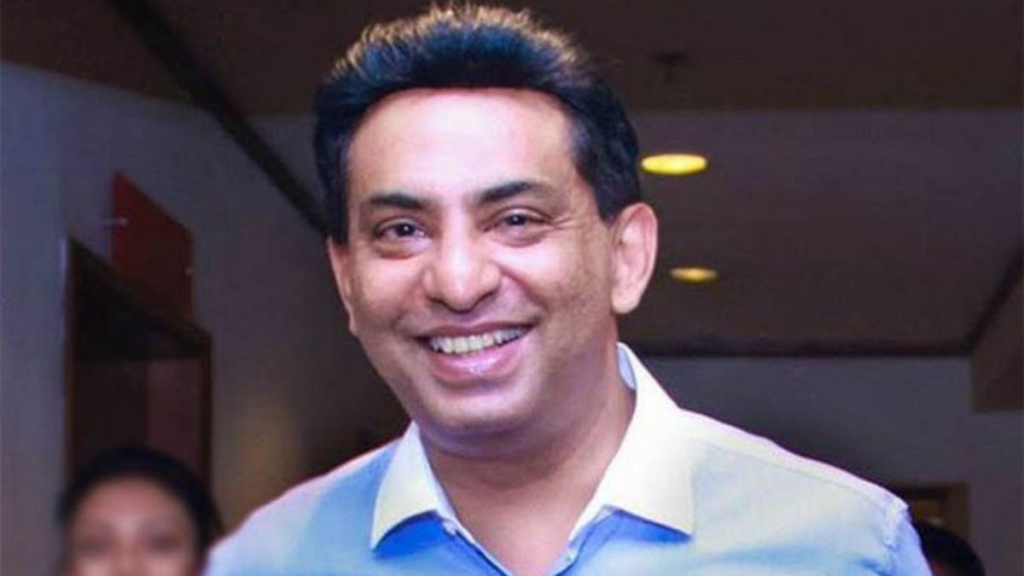
The death of former Kapila Chandrasena has sent shockwaves through Sri Lanka’s political and business circles, adding another dramatic chapter to a corruption investigation that has already implicated senior government figures and exposed alleged misconduct tied to multi-million-dollar Airbus deals.
Police confirmed Friday that Chandrasena was found dead at his home under suspicious circumstances, just days after securing bail in a high-profile corruption case linked to aircraft purchases for the national carrier, SriLankan Airlines.
Local media reports said the former airline executive died by hanging, though authorities have not publicly confirmed the exact cause of death pending further investigation.
Why Kapila Chandrasena Was Under Investigation
Chandrasena, who led SriLankan Airlines between 2011 and 2015, had become a central figure in one of the country’s most closely watched corruption probes.
The investigation centers on allegations that Airbus paid kickbacks during the sale of aircraft to the airline. Prosecutors claim bribes were routed through intermediaries and bank accounts connected to Chandrasena and his family.
According to investigators:
- The alleged scheme involved the purchase of:
- Six Airbus aircraft in 2014
- Seven additional aircraft in 2017
- Chandrasena allegedly received illegal payments from Airbus
- Some of the money was reportedly transferred into his wife’s bank account
- Former political leaders were allegedly beneficiaries of the scheme
Chandrasena and his wife were first arrested in 2019 before later being released on bail.
The case regained momentum after Sri Lanka introduced stronger anti-corruption laws in 2024, allowing authorities to reopen dormant investigations involving political and corporate elites.
A Court Appearance Changed the Story This Week
The investigation took a major turn earlier this week during proceedings at Colombo Chief Magistrate’s Court.
Prosecutors told the court that Chandrasena admitted to distributing LKR 60 million (roughly USD 200,000) in bribes to former Sri Lankan president Mahinda Rajapaksa.
According to the prosecution:
- Rajapaksa allegedly received:
- LKR 20 million on three separate occasions
- The payments allegedly took place at the former president’s residence in southern Sri Lanka
- The transactions were connected to the Airbus aircraft purchases
The allegations immediately intensified political pressure because Rajapaksa remains one of the most influential — and controversial — figures in Sri Lankan politics.
However, Chandrasena’s legal team pushed back strongly against the claims.
His lawyers argued in court that the statement had been obtained under duress and submitted an affidavit asserting that investigators pressured him into making the confession.
That dispute over whether the statement was voluntary may now become a critical legal issue in the broader corruption case.
A Warrant Was Reportedly Issued One Day Before His Death
The timing of Chandrasena’s death has raised additional questions.
Sri Lankan media outlets reported that a Colombo court issued a warrant against him just one day earlier over allegations that he violated bail conditions.
Authorities have not yet released detailed information about the alleged violation.
Police officials have described the death as suspicious, which means investigators will likely examine:
- Communications before his death
- Court-related developments
- Financial and legal pressures
- Any evidence connected to the ongoing corruption case
Given the political sensitivity surrounding the Airbus investigation, the circumstances of Chandrasena’s death are expected to face intense public scrutiny.
Why the Airbus Scandal Matters Beyond One Executive
The case is bigger than one former airline CEO.
It has become a test of whether Sri Lanka’s government can seriously pursue corruption allegations involving politically connected individuals.
The investigation also reflects broader concerns about governance and accountability inside state-owned enterprises in South Asia.
Airbus Has Faced Similar Allegations Worldwide
The SriLankan Airlines case emerged from a broader international corruption investigation into Airbus.
In 2020, Airbus agreed to a record global settlement with authorities in:
- The United States
- The United Kingdom
- France
The company paid billions of dollars in penalties after investigations uncovered bribery schemes connected to aircraft deals in multiple countries.
Sri Lanka’s case is considered one part of that wider international probe.
How President Anura Kumara Dissanayake’s Government Is Framing the Case
The administration of Anura Kumara Dissanayake came to power promising aggressive anti-corruption reforms.
Before the 2024 elections, Dissanayake positioned himself as an outsider willing to pursue cases that previous governments allegedly ignored or softened.
Reviving the Airbus investigation aligned closely with that campaign message.
For the current government, the case carries political significance because it allows officials to demonstrate:
- Commitment to anti-graft enforcement
- Willingness to investigate former power centers
- Efforts to rebuild public trust after Sri Lanka’s economic crisis
But Chandrasena’s death may now complicate that effort.
Critics are likely to question whether authorities acted appropriately during the investigation and whether sufficient protections existed for individuals involved in politically sensitive cases.
What Happens Next in the Investigation?
Several unresolved questions remain.
Will the Case Against Other Figures Continue?
Prosecutors also linked former aviation minister Priyankara Jayarathna to the alleged bribery scheme.
Authorities claim he received part of the kickback payments connected to the aircraft deals.
Investigators may now rely more heavily on:
- Financial records
- Banking data
- International cooperation
- Corporate documentation tied to Airbus transactions
What Happens to Chandrasena’s Statements?
Legal experts will likely debate whether Chandrasena’s alleged admissions remain admissible if his lawyers successfully argue they were made under coercion.
That issue could significantly affect the prosecution’s ability to connect political figures to the alleged payments.
Could International Agencies Become More Involved?
Because the Airbus bribery investigations already involved global regulators, additional scrutiny from foreign anti-corruption agencies remains possible.
This is especially relevant if investigators uncover evidence involving offshore accounts or cross-border financial transfers.
The Broader Impact on Sri Lanka’s Political Climate
Sri Lanka has spent years grappling with public anger over corruption, economic collapse, and political accountability.
High-profile investigations like this one carry enormous symbolic weight.
For many Sri Lankans, the Airbus case represents more than an aviation procurement scandal. It has become part of a larger debate about:
- Political privilege
- State transparency
- Corporate influence
- Public trust in institutions
Chandrasena’s death adds a deeply personal and controversial dimension to that debate.
And with several major questions still unanswered, the investigation is unlikely to fade from public attention anytime soon.