In modern conflict, the battlefield isn’t just land, air, or sea. It’s also your phone screen. And in the ongoing tensions between the United States and Iran, a strange but effective front has emerged: memes.
While military posturing between Donald Trump and Iran continues to dominate headlines, a parallel contest is unfolding in the digital arena. Here, Iran is experimenting with humor, satire, and viral storytelling to shape global perception, often faster than traditional media can react.
What is Iran’s meme war strategy?
Iran’s approach marks a sharp departure from conventional state messaging. Instead of formal press briefings or rigid propaganda, its communication now resembles something closer to internet culture.
A shift from speeches to shareable content
Iranian state-linked accounts and affiliated media are leaning into:
- Short, punchy videos designed for social platforms
- Pop culture references that resonate with younger audiences
- Humor and sarcasm aimed at political rivals
This isn’t accidental. It’s tailored for virality.
Moments of confusion or misstatements by US officials, such as remarks by Chris Wright, are quickly repackaged into memes that spread within hours, sometimes minutes.
What kind of memes is Iran using?
Iran’s digital playbook is eclectic, blending internet absurdity with geopolitical messaging.
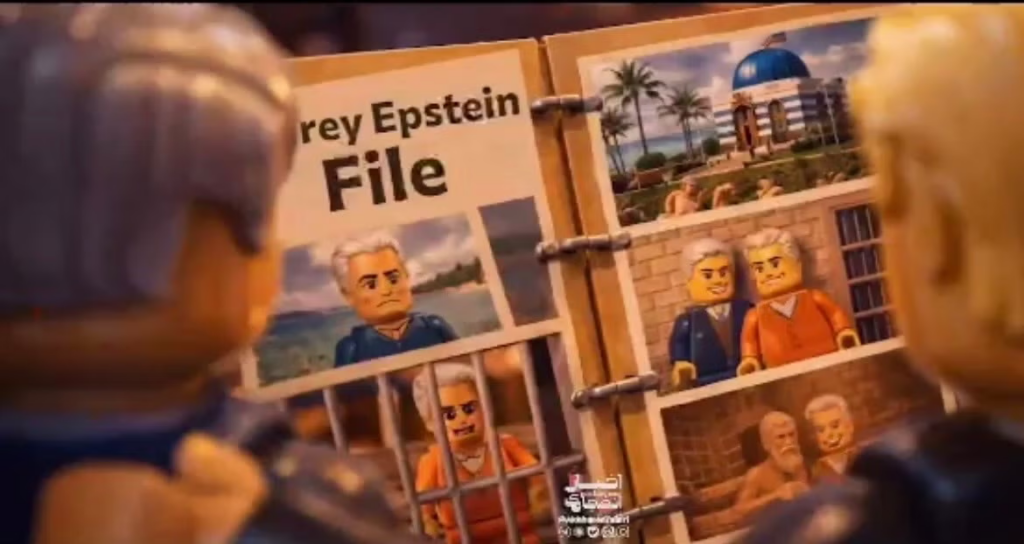
The rise of “Lego diplomacy”
One of the most widely circulated formats involves animated, Lego-style videos. These clips depict simplified, often exaggerated versions of global leaders navigating chaotic scenarios.
Common themes include:
- “Lego Trump” is struggling with military decisions
- Iran is portrayed as calm and strategic
- Shipping disruptions in the Strait of Hormuz are dramatized in cartoon form
These videos strip complex issues down to visual storytelling that’s easy to understand and share.
Teletubbies, parody, and satire
In another layer of this strategy, parody takes center stage.
Some clips reimagine Donald Trump and Benjamin Netanyahu as exaggerated, almost childlike characters navigating diplomatic setbacks.
- Teletubbies-style satire mocking Western leadership
- Manga-inspired sequences dramatizing conflict
- Cartoonish portrayals of geopolitical tension
It’s part political messaging, part internet theater.
Why does this strategy work?
At first glance, memes might seem trivial in the context of global conflict. But their impact lies in how information spreads today.
Speed beats structure
Traditional diplomacy is slow, layered, and formal. Memes are the opposite.
- They travel instantly
- They require no context
- They are designed for emotional reactions
By the time an official statement is issued, the meme version of the story may already have millions of impressions.
Speaking the internet’s native language
Younger audiences, in particular, engage more with humor and visuals than policy statements.
Iran’s strategy taps into this by:
- Using irony instead of ideology
- Prioritizing relatability over authority
- Blending entertainment with messaging
The result is content that feels organic, even when it’s strategic.
Is this really “outplaying” the US?
That depends on how you define winning.
The perception advantage
In the digital space, Iran has managed to:
- Shape narratives quickly
- Appear confident and in control
- Turn opponents’ statements into viral moments
Even without a clear military edge, controlling the narrative can influence public opinion globally.
But perception isn’t power
Experts caution against overestimating the impact.
Real-world outcomes still depend on:
- Military capability
- Strategic alliances
- Economic pressure
As some analysts note, memes don’t win wars. But they can influence how wars are understood.
The risks of meme warfare
This new style of communication comes with trade-offs.
Blurring truth and fiction
AI-generated videos and satirical content can easily be mistaken for reality.
- Audiences may struggle to distinguish fact from parody
- Misinformation can spread unintentionally
- Narratives can become distorted
Trivializing serious conflict
Reducing geopolitical tensions to meme formats risks minimizing real-world consequences.
- Human costs may be overshadowed
- Complex issues become oversimplified
- Public discourse may lose nuance
What does this mean for the future of conflict?
Iran’s meme strategy reflects a broader shift in how influence is exercised in the digital age.
The rise of narrative warfare
Governments are increasingly:
- Competing for attention, not just territory
- Using culture as a communication tool
- Adapting to platform-driven storytelling
A new kind of arms race
Instead of missiles, the tools are:
- Algorithms
- Viral formats
- AI-generated media
And the battlefield is global, borderless, and always online.
TL;DR
Iran is using memes, satire, and AI-generated content to shape narratives during its tensions with the US. While this strategy helps it dominate online conversations and project confidence, experts caution that digital influence doesn’t replace real-world power.