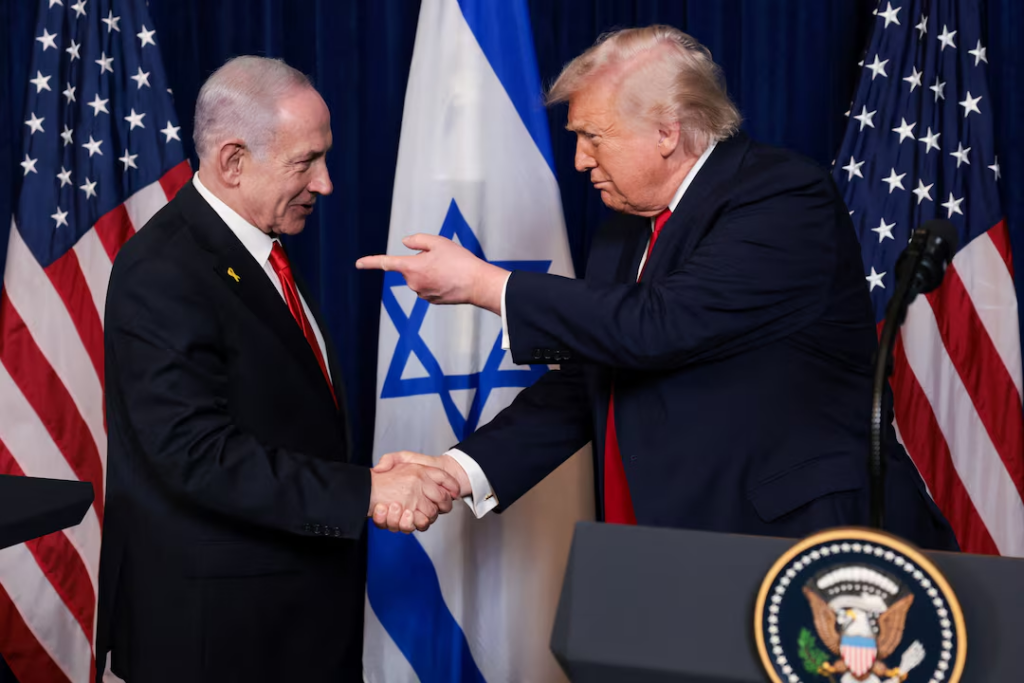
The reported phone call between Donald Trump and Benjamin Netanyahu is being framed as a pivotal moment in the lead-up to military action against Iran. But treating it as the origin point misses the bigger picture.
The call appears to have been the final push in a much longer process—one shaped by months of persuasion, intelligence briefings, and escalating strategic concerns.
Was the Call the Moment That Triggered War?
Short answer: No, but it may have been the moment that clarified the decision.
A Decision Already in Motion
By the time the call reportedly took place:
- Israeli leadership had been raising concerns for months
- U.S. officials were already reviewing military options
- Intelligence agencies had modeled likely retaliation scenarios
This wasn’t a sudden shift. It was the culmination of parallel tracks, political, military, and intelligence, moving toward the same endpoint.
Major geopolitical decisions rarely hinge on a single conversation. They emerge from sustained pressure, evolving risk assessments, and strategic alignment.
How Netanyahu Built the Case Over Time
The reporting suggests a gradual, targeted effort by Netanyahu to influence U.S. thinking.
Step-by-Step Persuasion
December: Setting the Tone
- Netanyahu reportedly told Trump he was dissatisfied with earlier operations
- Signaled a desire to go further against Iran
February: Raising the Stakes
- Briefed Trump on Iran’s missile capabilities
- Highlighted specific sites of concern
- Argued Iran could eventually pose a threat to the U.S. homeland
This wasn’t a one-off pitch. It was a layered argument, repeated and refined over time.
Influence in foreign policy often works incrementally—building familiarity and urgency before a final decision point.
What Was Happening Inside the U.S. System?
While Israel was making its case, Washington was moving in parallel.
Military and Intelligence Briefings
- Pentagon officials outlined potential operational gains
- Intelligence agencies assessed risks of retaliation
- Scenarios included attacks on:
- U.S. assets
- Gulf allies
- Regional infrastructure
Political Signaling
- Senator Marco Rubio reportedly warned Congress that:
- Israel might act with or without U.S. involvement
- Iran would likely retaliate against American interests
By the time of the call, the groundwork was already laid. The risks and rewards were clearly understood.
Why the Call Still Matters
If the decision was already forming, what made this conversation significant?
It Brought Three Arguments Together
According to the account, the call didn’t introduce new ideas—it combined them into a compelling narrative.
1. Operational Urgency
- A key Iranian leadership target was reportedly exposed
- Suggested a limited window for action
2. Strategic Opportunity
- Removing top leadership could:
- Destabilize the regime
- Open paths for negotiation or regime change
3. Personal-Political Framing
- Claims that Iran had targeted Trump personally
- Framed action as both strategic and retaliatory
Together, these points transformed the decision from abstract policy into a high-stakes, time-sensitive choice.
Leaders often respond not just to facts, but to how those facts are framed, especially when urgency and personal stakes are emphasized.
Why Both Leaders Deny Influence
Both Trump and Netanyahu have publicly rejected the idea that Israel pushed the U.S. into war.
Trump’s Position
- The decision was his alone
- Emphasizes independence and authority
Netanyahu’s Position
- Dismisses reports as “fake news”
- Reinforces that no one dictates U.S. decisions
The Political Logic
These denials serve clear purposes:
- Avoid perceptions of external influence over U.S. policy
- Maintain domestic political credibility
- Reduce international backlash
Public narratives often simplify or obscure the collaborative nature of high-level decision-making.
What This Reveals About Modern War Decisions
This episode highlights how contemporary conflicts are shaped.
Key Takeaways
1. Decisions Are Built Over Time
Rarely does a single event trigger military action. It’s usually the endpoint of:
- Ongoing intelligence assessments
- Diplomatic pressure
- Strategic alignment
2. Framing Can Be Decisive
The same facts can lead to different outcomes depending on how they’re presented:
- Urgency vs patience
- Opportunity vs risk
- Defense vs retaliation
3. Personal Factors Still Matter
Even in high-level geopolitics:
- Leadership psychology plays a role
- Personal grievances can influence framing
- Legacy considerations shape decisions
Was the Call a Trigger or a Turning Point?
The most accurate interpretation lies somewhere in between.
- It didn’t create the operation
- It didn’t override existing planning
- But it likely sharpened the choice at a critical moment
In that sense, the call functioned less like a spark—and more like a final argument delivered at exactly the right time.
TL;DR
- The Trump–Netanyahu call was not the origin of the conflict
- Months of military, intelligence, and political groundwork preceded it
- Netanyahu’s influence appears to have been gradual and strategic
- The call mattered because it combined urgency, strategy, and personal framing
- Public denials reflect political messaging, not necessarily the full picture