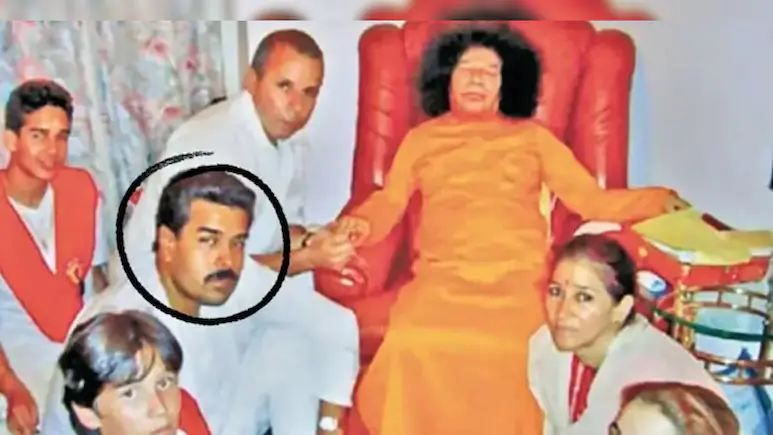
Venezuela’s embattled leader, Nicolas Maduro, has long been associated with political turmoil, economic collapse, and international sanctions. Less discussed, however, is his personal connection to India, rooted not in diplomacy or trade, but in spirituality. Years before global pressure mounted against his government, Maduro and his wife were devotees of Indian spiritual leader Sathya Sai Baba, even traveling to Andhra Pradesh to visit his ashram.
This spiritual link has resurfaced amid renewed international focus on Maduro and his inner circle, offering a rare glimpse into a lesser-known chapter of his life beyond politics.
TL;DR
Venezuelan leader Nicolas Maduro has an India connection through his devotion to spiritual leader Sathya Sai Baba. Introduced by his wife, Cilia Flores, Maduro visited the Prasanthi Nilayam ashram in Andhra Pradesh in 2005. The connection predates his rise to power and contrasts sharply with his later political controversies, economic crackdowns, and international isolation.
What Is Nicolas Maduro’s India Connection?
Maduro’s connection to India comes through his wife, Cilia Flores, a powerful political figure in her own right. Raised Catholic, Maduro was introduced to Sathya Sai Baba by Flores before their marriage. The spiritual influence became significant enough that the couple traveled to India in 2005.
During that visit, they went to Prasanthi Nilayam, the renowned ashram located in the Puttaparthi region of Andhra Pradesh. The ashram has long attracted devotees from around the world, including politicians, business leaders, and celebrities seeking spiritual guidance.
For Maduro, the visit marked a departure from his traditional Catholic upbringing and highlighted the influence Flores had on both his personal beliefs and political journey.
Why This Spiritual Link Matters in the Context of His Career
Maduro’s association with Sathya Sai Baba stands in sharp contrast to his later global image as a hardline leader facing sanctions and diplomatic isolation. The spiritual chapter of his life predates the economic crisis and political unrest that came to define his presidency.
Understanding this background adds nuance to Maduro’s rise. Before becoming one of Latin America’s most controversial leaders, he was part of a couple that openly embraced spiritual teachings centered on discipline, service, and inner transformation.
The resurfacing of this connection also underscores how personal belief systems can coexist, and sometimes conflict, with political realities. While Maduro’s governance style later became associated with authoritarian measures, his early spiritual influences suggest a more complex personal narrative.
Maduro’s Political Rise and Escalating Controversies
Maduro’s presidency coincided with one of the worst economic crises in Venezuela’s history. As inflation spiraled out of control in 2013, his government took drastic measures to control prices and maintain popular support.
Here’s a breakdown of key moments that shaped his leadership trajectory:
| Year | Event | Impact |
|---|
| 2013 | Troops deployed to occupy appliance stores | Boosted short-term popularity before local elections |
| 2018 | Drone-based assassination attempt | Led to reduced public appearances and tighter security |
| Later years | Sanctions and global pressure | Increased isolation and economic strain |
The forced sale of household goods at heavily discounted prices was framed as a move against profiteering but raised concerns about market interference. While it helped Maduro in the run-up to mayoral elections, it further destabilized the economy.
The 2018 Drone Attack and Heightened Security
In 2018, Maduro survived an assassination attempt when explosives-laden drones were flown toward a public rally in Caracas where he was speaking. The incident marked a turning point in his public presence.
Following the attack, Maduro significantly reduced spontaneous appearances and limited live broadcasts of public events. Security around him was tightened, and public engagements became more controlled, reinforcing perceptions of a leader under constant threat.
The episode further strained Venezuela’s political climate and deepened divisions within the country.
Cilia Flores: The Power Behind the Throne
Throughout Maduro’s political career, Cilia Flores remained a constant and influential presence. She held several high-ranking positions, including attorney general and head of parliament, and was often described as a key power broker within the Venezuelan government.
Flores’ influence extended beyond formal titles. She was widely viewed as having comparable authority to Maduro himself, shaping decisions and strategies at the highest levels of power.
Her role also connects directly to Maduro’s spiritual journey, as she was the one who introduced him to Sathya Sai Baba and facilitated their visit to India.
Recent Developments and Renewed Global Attention
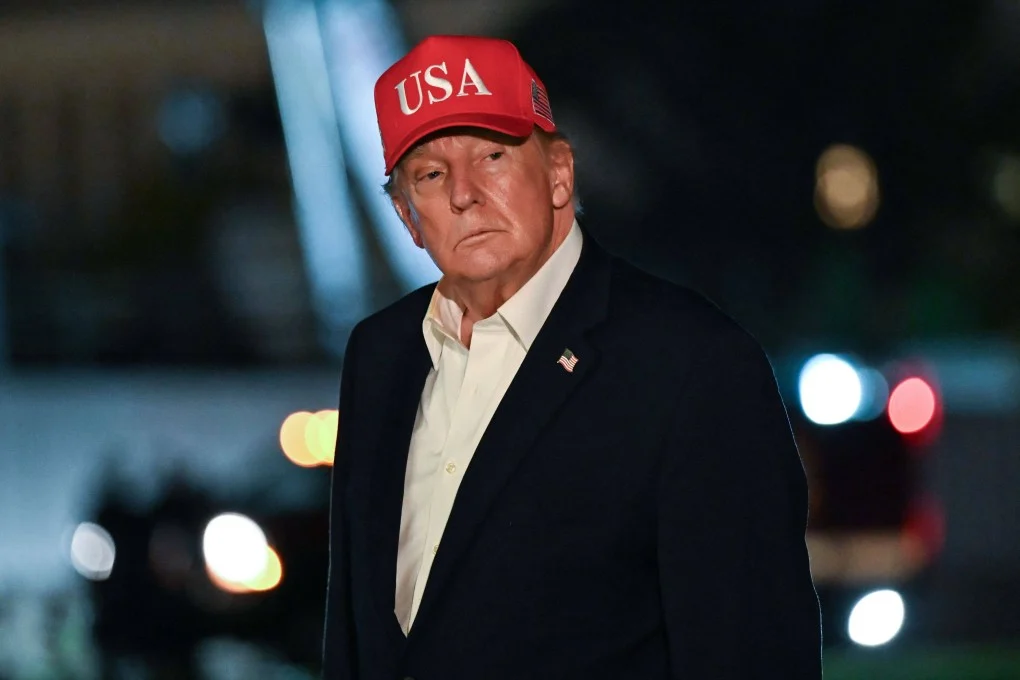
International focus on Maduro intensified again after statements from former US President Donald Trump, who claimed that Maduro and Flores were captured and flown out of Venezuela following months of increased pressure by the United States.
While details surrounding these claims continue to draw scrutiny, they have reignited global interest in Maduro’s personal history, including aspects that had faded from public memory, such as his India connection.
How This India Connection Shapes the Broader Narrative
Maduro’s link to Sathya Sai Baba does not redefine his political legacy, but it adds depth to the story of a leader often viewed through a single lens. It highlights how personal belief systems, relationships, and formative experiences can exist alongside controversial governance.
For observers, this spiritual chapter offers context rather than contradiction. It reminds audiences that global leaders often carry complex personal histories that intersect with culture, faith, and international travel long before they assume power.
As scrutiny around Maduro continues, his India connection stands out as an unexpected thread in a career otherwise dominated by economic collapse, political unrest, and global confrontation.