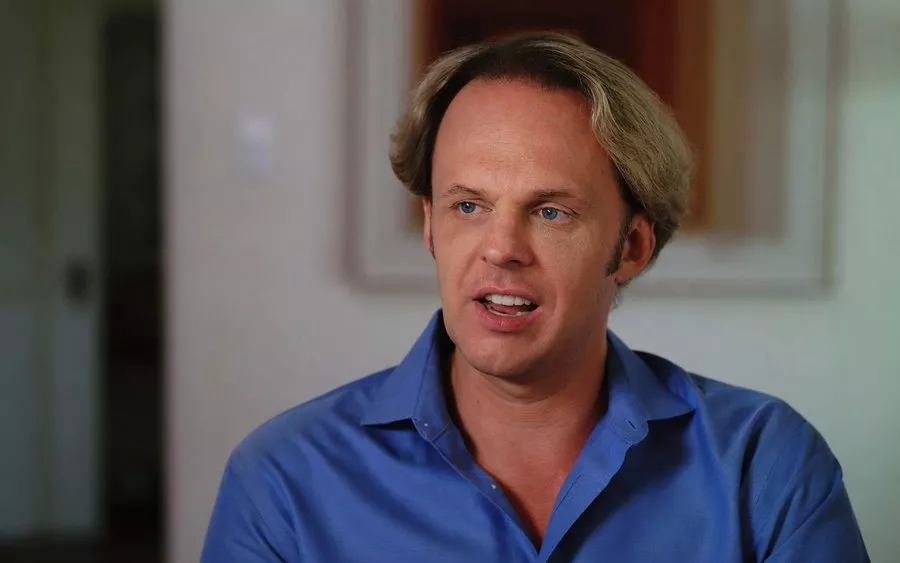
Reports of the death of David Wilcock, a controversial figure known for his work on UFOs and alternative theories, have sparked widespread discussion online. According to local authorities in Colorado, a man matching his profile died in an apparent suicide near his residence in Nederland, though official confirmation of identity and cause is still pending from the coroner. In the days leading up to the reports, Wilcock’s final livestream has become a focal point, with viewers revisiting his remarks about fear, uncertainty, and recent deaths in the UFO research community.
What do official sources say about David Wilcock’s death?
The most reliable information so far comes from law enforcement.
Statement from Boulder County authorities
The Boulder County Sheriff’s Office confirmed responding to a 911 call on April 20 regarding an “unknown problem” near Ridge Road in Nederland, Colorado. The caller was believed to be experiencing a mental health crisis. Deputies arrived on the scene and encountered a man with a weapon who reportedly died from a self-inflicted injury. Authorities stated:
- No other individuals were found at the scene
- There is no threat to the public
- The case remains under investigation with the coroner’s office
Importantly, officials did not publicly name the individual, meaning formal identification is still subject to confirmation.
Public reaction and political acknowledgment
Anna Paulina Luna publicly expressed condolences and identified the deceased as Wilcock in a social media post. While widely circulated, such statements are not substitutes for official confirmation from investigative authorities.
What did David Wilcock say in his final livestream?
Wilcock streamed on YouTube roughly two days before reports of his death emerged, and excerpts from that broadcast are now being widely shared.
A tone of unease and reflection
During the livestream, Wilcock spoke about:
- Feeling grateful for being alive
- A difficult personal period
- Concern over recent deaths and disappearances in scientific and UFO-related circles
He described the situation as “a little bit scary,” referencing broader घटनाओं rather than a specific threat to himself.
Context matters
It is important to interpret these comments carefully:
- He did not explicitly state he was in danger
- His remarks were framed within his broader interest in conspiracy and UFO narratives
- Emotional language in long-form livestreams often reflects momentary states rather than definitive conclusions
A short embedded clip from the livestream could help readers assess tone and context directly.
Why are his comments being linked to other “mysterious deaths”?
Wilcock referenced a pattern of deaths among individuals connected to UFO research, which has fueled speculation online.
Recent deaths in the same space
Figures such as Erich von Däniken and Nick Pope have been mentioned in connection with this narrative. However:
- These cases have documented, unrelated causes
- There is no verified evidence linking them together
- Claims of a coordinated pattern remain speculative
The role of online amplification
Social media tends to connect unrelated events into narratives, especially when:
- The individuals share a thematic field (e.g., UFO research)
- Timing appears clustered
- Influential voices frame them as connected
What do we know about David Wilcock’s background?
Wilcock built a significant online following through his work in alternative theories.
Career and influence
He was known for:
- YouTube livestreams and video content
- Books on consciousness, extraterrestrial life, and hidden knowledge
- Appearances in documentaries and shows related to ancient aliens and UFOs
His audience spanned millions, making his death a high-visibility event within that community.
What should readers be cautious about right now?
This story sits at the intersection of verified reporting and fast-moving speculation.
Key uncertainties
- Official confirmation of identity from the coroner
- Full details of the incident
- Any verified connection to broader घटनाओं
Common pitfalls in coverage
- Treating speculation as fact
- Overinterpreting emotional statements from past content
- Linking unrelated cases without evidence
Responsible reporting requires separating confirmed facts from narrative-building.
Why this story resonates beyond one individual
Wilcock’s death highlights broader issues around online communities, mental health, and information ecosystems.
The pressure of online visibility
Content creators often operate under:
- постоянный public scrutiny
- Financial dependence on engagement
- Emotional exposure through long-form content
These factors can intensify personal challenges.
The spread of narrative-driven interpretations
When a public figure associated with conspiracy topics dies, audiences may:
- Seek patterns
- Connect unrelated events
- Amplify speculative explanations
Understanding this dynamic helps explain why the story has gained traction globally.
A note on mental health
If you or someone you know is struggling, reaching out to a mental health professional or a trusted support system can make a difference. In India, services like AASRA (24/7 helpline) and other local support networks are available.
TL;DR
- Reports indicate David Wilcock died in an apparent suicide in Colorado, pending official confirmation
- Authorities say there is no threat to the public
- His final livestream included reflective and uneasy remarks, now widely shared
- Claims linking his death to broader “mysterious patterns” remain unverified