
Quick Summary
An 8.8 magnitude earthquake struck Russia’s Kamchatka Peninsula—the largest globally since 2011—triggering tsunami warnings across the Pacific. Like other giant quakes, it occurred on the volatile Ring of Fire, where tectonic plates collide at rapid speeds, fueling frequent, devastating seismic events. Understanding the science behind these quakes reveals why the Pacific region faces unparalleled earthquake risk and what lessons emergency planners everywhere must heed.
Why Was Russia’s Kamchatka Earthquake So Powerful?
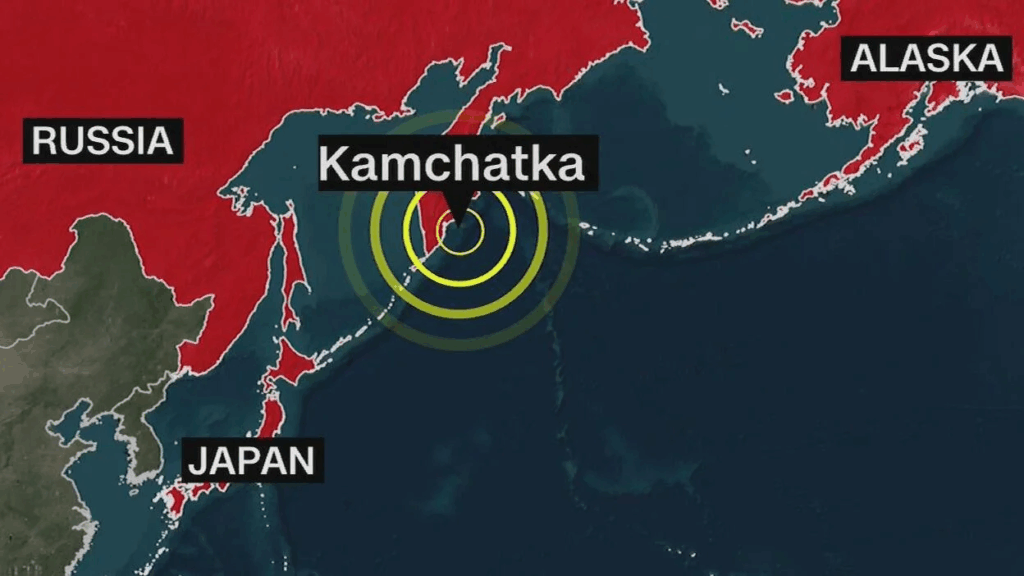
At 11:30 am local time on July 31, 2025, an 8.8 magnitude earthquake hit off Russia’s Kamchatka Peninsula. The epicenter lay about 119 km from Petropavlovsk-Kamchatsky at a depth of 20 km. This event immediately entered the record books—one of the 10 strongest earthquakes detected since modern measurements began, causing damage and injuries in the region. Within six hours, it had triggered more than 35 aftershocks above magnitude 5.0, a pattern typical for such enormous events.
Where Does It Rank in History?
- Among the top ten strongest earthquakes ever recorded since 2011.
- The world’s largest earthquake since the 2011 Tohoku Japan disaster.
What Is the Ring of Fire And Why Does It Generate Superquakes?
Geology 101: The Ring of Fire
The Pacific “Ring of Fire” is a giant horseshoe-shaped region circling the Pacific Ocean, stretching from South America up to North America, across to Russia, Japan, Southeast Asia, and down to New Zealand. It is the planet’s most seismically active zone due tothe intense movement of massive tectonic plates.
Why Do the Biggest Earthquakes Strike Here?
- Most powerful quakes in history—including the 2004 Sumatra-Andaman, 2011 Tohoku-Oki, and 1960 Chile earthquakes—all occurred along the Ring of Fire.
- These regions are defined by subduction zones, where one tectonic plate plunges beneath another, storing up vast energy over years or centuries, which is suddenly released as a megaquake.
Why Kamchatka? The Science Behind the Shock
Plate Tectonics at Work
Offshore Kamchatka lies the Kuril-Kamchatka Trench, marking the collision line between the Pacific Plate and the Okhotsk Plate. Here, the Pacific Plate is being thrust under its neighbor at a rapid 75 millimeters per year—a significant pace in plate tectonics.
Key Points:
- The faster the plates move, the more often and more violently they collide.
- When pressure exceeds the boundary’s resistance, it ruptures—creating a major earthquake.
Historical Patterns:
- The 1952 Severo-Kurilsk earthquake (M9.0) happened in the same subduction zone, just 30km from this week’s epicenter.
- These ruptures can span hundreds or even over a thousand kilometers and reach the seabed, often displacing large volumes of ocean water, triggering tsunamis.
What Links the World’s Strongest Earthquakes?
- Location: All occurred on the Pacific Ring of Fire.
- Type: All involved subduction zones with one plate plunging under another.
- Depth: Ruptures began relatively shallow (less than 30 km), maximizing surface shaking and tsunami potential.
- Plate Movement: Fast-moving plates increase frequency and potential intensity.
- Tsunamis: Most destructive tsunamis impact regions far from the epicenter.
What Happened After the Kamchatka Quake?
- Aftershocks: Over 35 aftershocks above magnitude 5.0 within six hours; some could reach M7.5 or more.
- Tsunami: Waves hit Kamchatka and rippled across the Pacific, with warnings for Japan, Hawaii, the Philippines, Indonesia, and even as far as Peru and New Zealand.
- Civil Defense: Local authorities in affected countries issued evacuations and safety warnings. Tsunami scientists continued assessing real-time risk using updated models.
Will More Big Quakes Strike? Lessons for the Future
Are Giant Earthquakes Predictable?
- Seismic scientists monitor patterns, but cannot forecast specific events.
- Previous quakes and recent heightened activity—such as the M7.4 in Kamchatka weeks before—raise questions about how smaller quakes might preempt larger slips, a critical area for ongoing research.
What’s the Risk for Other Regions?
- New Zealand’s Hikurangi subduction zone, south of the Ring of Fire, though historically dormant, is capable of magnitude 9 earthquakes and tsunamis according to geologic records.
- Any subduction zone—if the right conditions exist—can produce similar megaquakes.
How Can Communities Prepare?
- Vigilant monitoring by local agencies and public education is key.
- Heed official warnings, especially tsunami alerts, immediately.
- Invest in earthquake-resistant building design and reinforced infrastructure.
Earthquake Safety Steps
- Know local evacuation routes.
- Prepare an emergency kit.
- Follow official information channels.
- Take part in community drills.
Final Thoughts: The Global Importance of Seismic Vigilance
Russia’s Kamchatka earthquake serves as a stark reminder: the threat of megaquakes never fully recedes. For those living on or near the Ring of Fire, preparedness is non-negotiable. Even for those further afield, understanding the science and impact of these events can save lives when the next “big one” hits.