

TL;DR:
A Chinese teacher stepped in to perform CPR on a collapsed woman in Hengyang, saving her life. But a video of the event went viral and sparked public backlash, with some claiming the teacher inappropriately touched the woman. This article breaks down what really happened, how CPR works, and how viral outrage can impact real-world behavior—even discourage future life-saving actions.
What Happened in That Viral Video?
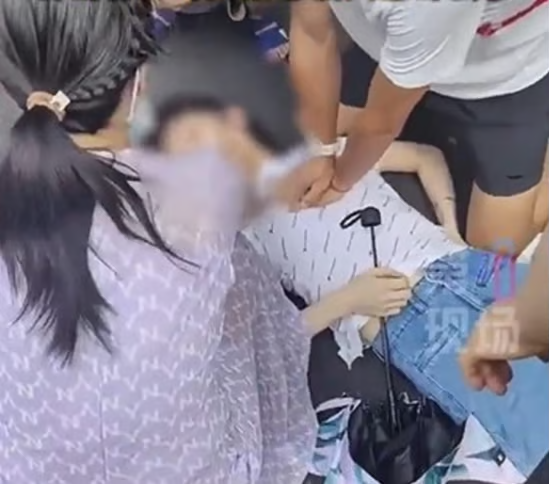
A woman collapsed in the streets of Hengyang, China. An initial doctor was unable to revive her. That’s when Pan, a middle-aged teacher, stepped in to administer CPR for over 10 minutes until an ambulance arrived.
What followed was not applause but accusations
A video clip went viral on Chinese social media, drawing criticism for what many viewers believed was inappropriate hand placement during CPR, and many alleged the teacher was groping while performing CPR on an unconscious woman.
Pan, clearly distressed, responded publicly. “If I had known I would be misunderstood, I wouldn’t have stepped in,” he said. No medical professionals at the scene reported any wrongdoing or incorrect technique.
What Do CPR Guidelines Say About Hand Placement?
According to the American Heart Association (AHA), correct hand placement for chest compressions is on the lower half of the sternum, avoiding ribs or breast tissue. The goal is to push hard and fast, about 2–2.4 inches deep at 100–120 compressions per minute.
Medical experts who reviewed the video commented that Pan’s hand placement aligned with these guidelines. In other words, what appeared questionable to a lay audience was in fact standard CPR protocol.
This disconnect highlights the danger of misinformed viral outrage.
How Public Misinterpretation Can Harm Altruism
Pan’s story isn’t just about CPR—it’s about what happens when public perception overtakes fact-based evaluation.
He expressed fear and regret following online backlash. In interviews, he admitted being hesitant to help again, saying he now fears misinterpretation more than failing to act.
This kind of response sets a dangerous precedent. The very people who act in emergencies may second-guess themselves or avoid helping at all—because they fear becoming the next viral scapegoat.
The Unique Burden on Teachers in Emergencies
As a teacher, Pan’s actions carry additional complexity. In many communities, teachers are looked up to as role models and moral guardians. The accusation—despite being unverified and contrary to medical fact—risks tarnishing not just an individual’s reputation but the public’s trust in educators.
Without proper public understanding of emergency procedures, teachers, coaches, and youth workers may find themselves reluctant to act in critical moments.
The Bigger Picture: How Viral Outrage Alters Real-World Behavior
Psychologists have long studied the bystander effect—how people are less likely to help when others are present. But the digital age adds another layer: viral shaming.
In this case, Pan became a target because his life-saving act was recorded, stripped of context, and consumed by millions.
A survey by China Youth Daily found that 37% of citizens feared legal or social backlash from helping strangers, a stat that echoes trends in other nations. When acts of aid are punished, future would-be helpers stay on the sidelines.
What Needs to Happen Next
- Public CPR Education: The general public should be aware of what proper chest compressions look like.
- Good Samaritan Protections: Many regions already have laws protecting those who help in good faith; they need to be better publicized.
- Media Literacy: Before jumping to conclusions from a video clip, viewers should be encouraged to understand the broader context.


