
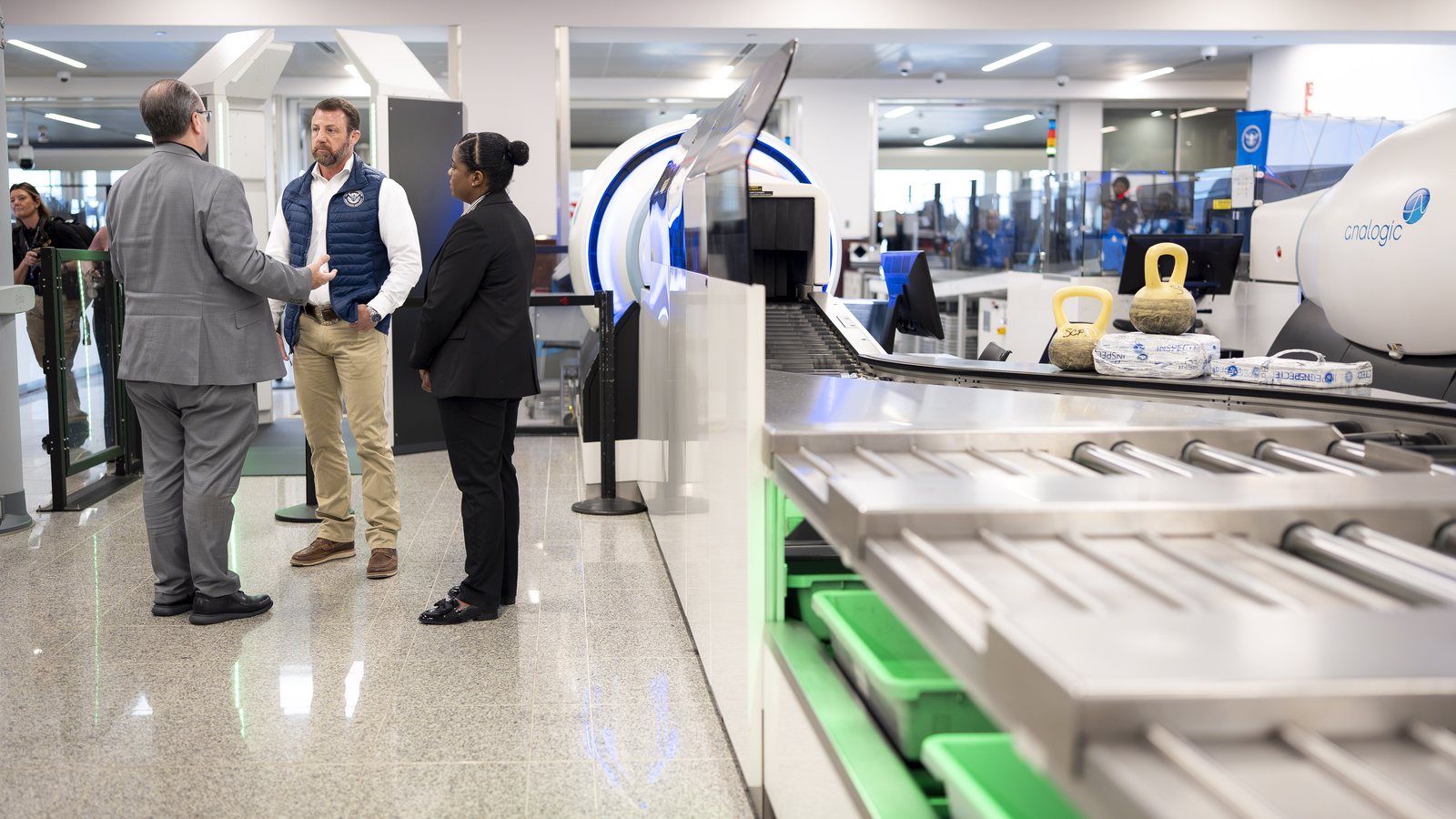

Thanksgiving travel week opened on Tuesday, Nov. 24, with federal officials saying there is no known threat to US flights. “There are no credible threats to U.S. aviation at this time,” a TSA spokesperson told NewsNation on Nov. 21. “Americans can travel with confidence knowing TSA remains vigilant and prepared.”
That statement answered a Nov. 20 CNN report by Josh Campbell. On Thursday, Nov. 19, the FBI, the Department of Homeland Security and TSA sent a joint notice to airlines, air cargo carriers and airports. It flagged Al Qaeda messaging that praised September’s attack on a Flydubai flight bound for Tel Aviv.
The notice is meant for aviation workers rather than passengers, and it describes propaganda, not a plot. It does land in the week TSA expects to screen about 17.6 million people. So here is what it says, and what it does not.
A warning about propaganda, not a plot
CNN obtained a copy of what it calls an informational report. Al Qaeda affiliates and supporters “have released multiple messages praising the attempted hijacking,” it says. Those messages encourage “similar attacks against perceived US, Israeli, and Jewish interests.”
A law enforcement source told CNN there are “no known specific and credible threats underway.” Security officials routinely pass items like this from the intelligence community to private industry, the source said. The FBI declined to comment to CNN.
The report’s own caution is about speed rather than scale. People inspired by foreign terrorist groups “historically have not mobilized to violence directly in response to FTO calls for action,” it says. But “they have demonstrated the ability to mobilize rapidly and with little or no warning.” The report adds that fighting in the Middle East could deepen grievances against the United States.
Why Flydubai flight 1073 is the reference point
The attack the propaganda celebrates happened on Sept. 30, aboard Flydubai flight FZ1073 from Dubai to Tel Aviv. The co-pilot attacked the captain with a crash axe and tried to take control of the plane. Reports name him as Hamam al-Hammami, from Oman. Crew and passengers restrained him, and the jet landed safely at Tabuk, Saudi Arabia.
The UAE attorney general later called it “a premeditated plot with a terrorist objective” aimed at Ben Gurion Airport. That account comes from The National News Desk, which also reported that he admitted acting alone. A pro-Al Qaeda newsletter praised the attack within days, Ynet reported. No evidence has emerged that he acted on the group’s orders.
That detail explains the shape of the US notice. The Flydubai attacker was an insider, a licensed pilot already in the cockpit. The danger the notice describes sits mostly behind the checkpoint, not in the passenger line.
What it asks airline and airport workers to watch
According to CNN, the report lists warning signs for aviation staff. It asks them to contact law enforcement promptly about anything that worries them. The signs include:
- People trying to avoid security procedures.
- Requests for flight-operations or security details with no business reason.
- Someone showing “a strong desire to handle specific items of luggage” without help.
- Unexplained losses of airline radios, access badges or uniforms.
Most of that list concerns badges, uniforms and inside knowledge, the things an employee or impostor would need. It is the same insider problem that put the Flydubai co-pilot at the controls.
What changes for passengers this week
Nothing visible, so far. TSA issued a Nov. 23 holiday release for Atlanta’s Hartsfield-Jackson airport. It covers crowds, food rules and screening technology, and does not mention the bulletin. We found no announcement of a change to the national threat level or to checkpoint rules.
The crowds are the bigger factor. TSA expects to screen nearly 17.6 million people from Tuesday, Nov. 24, through Monday, Nov. 30, ABC News reported. AAA expects 81.5 million Americans to travel at least 50 miles, about 6 million of them on domestic flights.
TSA’s practical advice is the usual holiday list. Its Atlanta team tells travelers there to arrive two to three hours early. Gravy, cranberry sauce and other pourable foods over 3.4 ounces go in a checked bag. Ice packs must be frozen solid, and TSA answers questions at @AskTSA on X.
Delays this month have come from systems rather than security. Most flyers will better remember the four-hour FAA ground stop on Nov. 13 and United’s Nov. 16 departure outage. The rules on what airlines owe you when a glitch hits still apply this week.
The next test comes on Sunday, Nov. 29. TSA says it could screen more than 3 million people that day.