

How a Three-Letter Text Grounded a Flight
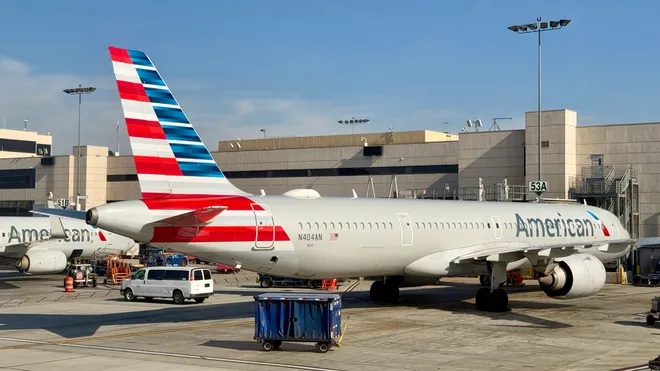
On July 3, 2025, an American Airlines flight from San Juan, Puerto Rico, to Dallas was abruptly diverted just 30 minutes after takeoff—all because of a passenger’s misinterpreted text message.
A fellow traveler, peeking at another flyer’s phone, saw the message “RIP” (commonly meaning “Rest in Peace”) and mistakenly assumed it was a threat. The alarmist immediately reported it to a flight attendant, prompting the crew to initiate emergency procedures.
The plane landed in Isla Verde, where Puerto Rican authorities questioned the recipient of the text. It turned out the message was related to a family member’s recent death—the reason for their trip to Dallas.
After confirming no actual threat, the flight was cleared to resume its journey, arriving in Texas hours behind schedule.
Why Did This Happen?
This incident reflects a growing tension in air travel:
Hyper-vigilance post-9/11 – Passengers are encouraged to report suspicious activity, but misinterpretations can cause major disruptions.
Screen-peeping culture – With tight cabin spaces, privacy is limited, increasing chances of misread context.
Lack of clarity in reporting – Should airlines better educate passengers on what actually constitutes a threat?
Similar Cases of Overreaction in Air Travel
- 2023: A Southwest Airlines flight was delayed after a passenger reported a “bomb joke” that turned out to be a misheard conversation.
- 2022: A Delta flight made an emergency landing because a traveler mistook a medical device for a weapon.
What’s Next for Airline Safety Protocols?
While “See Something, Say Something” remains crucial, this incident raises questions:
🔹 Should airlines implement clearer guidelines on what warrants an emergency response?
🔹 Could better cabin privacy measures reduce such misunderstandings?
🔹 Will passengers become hesitant to report real threats after seeing false alarms like this?
American Airlines has not yet commented, but aviation experts suggest refining crew training to assess reported concerns more efficiently.
Passenger Reactions: Safety vs. Privacy
- “Better safe than sorry, but this was ridiculous.” – Frequent flyer on Reddit.
- “If you’re not sure, ask the person directly before causing a panic.” – Twitter user @TravelSmarter.
Final Thought: A Wake-Up Call for Air Travel?
This case underscores the fine line between vigilance and paranoia in modern flying. While security is paramount, unnecessary diversions cost time, money, and trust.
Should passengers think twice before reporting—or should airlines adjust their protocols?


