
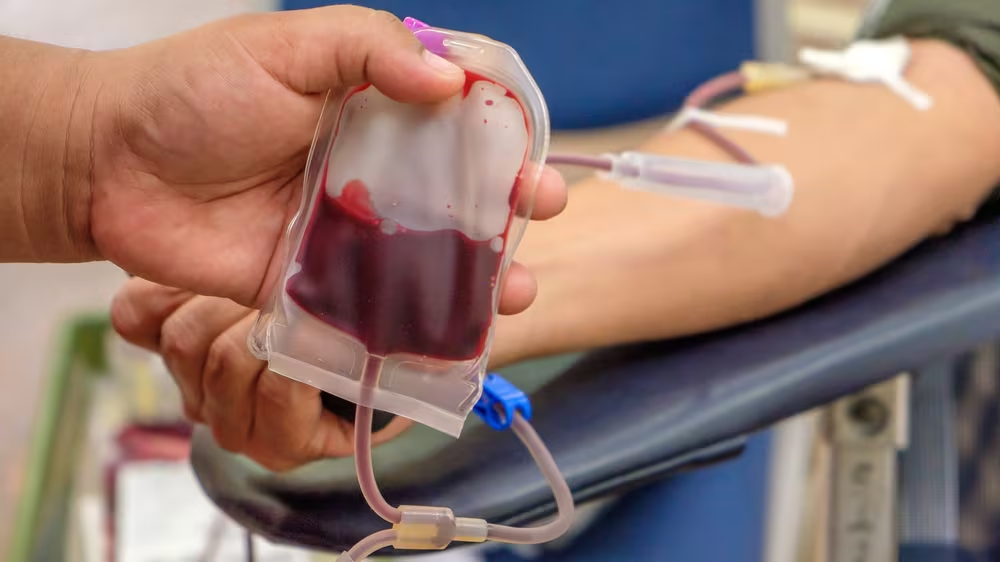
A growing number of patients in the United States are asking hospitals for something unusual: blood from donors who have not received COVID-19 vaccines. Doctors say the trend, driven largely by misinformation, is beginning to affect how transfusions are handled—and, in some cases, delaying care.
New data from Vanderbilt University Medical Center shows a clear uptick in so-called directed blood donation requests, where patients or families choose specific donors instead of accepting anonymous blood from the standard supply. The reason cited in these cases is concern about vaccinated blood.
Experts say those fears aren’t supported by science, and the consequences could be dangerous.
What Is “Vaccinated Blood” and Why Are People Refusing It?
The term “vaccinated blood” has emerged from the broader backlash against COVID-19 vaccines, particularly mRNA vaccines. Some groups claim—without evidence—that these vaccines can alter blood, DNA, or long-term health outcomes.
Public figures like Robert F. Kennedy Jr. have amplified scepticism around vaccine safety, adding fuel to a movement that gained momentum during pandemic-era mandates.
The Core Concern
People requesting unvaccinated blood often believe:
- Vaccine components remain active in the bloodstream long-term
- Transfusions could transfer vaccine-related risks
- “Natural” or unvaccinated blood is safer
What science says: None of these claims is supported by credible medical evidence. mRNA from vaccines breaks down quickly in the body and does not alter DNA or persist in transfusable blood.
What the Data Shows: A Small but Growing Pattern
A study published in the journal Transfusion tracked directed blood donations between 2024 and 2025.
Key Findings
- 15 patients requested directed donations specifically to avoid vaccinated blood
- 48 units of blood were collected for these cases
- Requests rose from 4 in 2024 to 11 in 2025
- 8 cases involved children
Notably, none of these requests was due to rare blood types or medical necessity. The driving factor was the fear of vaccinated donors.
Why Doctors Say Directed Donations Can Be Riskier
At first glance, choosing your own donor may seem safer. In reality, experts say the opposite can be true.
The Transfusion study warns that directed donations, while often perceived as “controlled,” can increase medical risk.
Higher Infection Risk
Directed donors are often:
- First-time donors
- Less thoroughly screened through routine donation cycles
This increases the chance of undetected infectious diseases compared to regular, repeat donors in blood bank systems.
Delays in Treatment
In at least four documented cases:
- Patients had to wait for specific donors
- Two surgeries were delayed or rescheduled
In urgent medical situations, time matters. Waiting for a preferred donor can turn a manageable condition into a critical one.
Additional Medical Complications
When blood comes from family members, it often requires extra processing:
- Irradiation to prevent immune reactions
- Additional compatibility checks
These steps add complexity and time, without offering added safety benefits in most cases.
How Blood Safety Actually Works in the U.S.
Modern blood banking is highly regulated and designed to minimise risk.
Standard Safety Measures
Blood donation centers:
- Screen donors for medical history and risk factors
- Test for infectious diseases like HIV, hepatitis, and more
- Follow strict storage and handling protocols
Importantly, they do not—and do not need to—screen for vaccination status, because vaccines do not pose a transfusion risk.
The Role of Misinformation in Medical Decisions
The rise in requests for unvaccinated blood reflects a broader issue: how misinformation influences healthcare choices.
Why This Matters
- Patients may decline safe, available treatments
- Doctors face ethical dilemmas balancing autonomy and urgency
- Hospital systems may experience strain from non-medical requests
The anti-vaccination movement, which intensified during the COVID-19 pandemic, has extended beyond vaccines themselves into areas like blood transfusion.
Could This Trend Grow?
Researchers are concerned that these requests may increase, especially if legal frameworks evolve to accommodate patient preferences around donor selection.
Potential Future Impacts
- Increased demand for directed donations
- Longer wait times for transfusions
- Greater strain on blood supply systems
In extreme cases, it could lead to inequities in access, where patients with fewer resources struggle to secure directed donors.
What Doctors Want Patients to Understand
Medical professionals are trying to strike a careful balance: respecting patient concerns while emphasising evidence-based care.
Key Takeaways for Patients
- COVID-19 vaccines do not affect the safety of donated blood
- Anonymous blood from established systems is highly safe
- Delaying transfusions can be more dangerous than accepting standard blood
The bottom line: refusing vaccinated blood isn’t a safer choice—it may carry more risk.
TL;DR
- Some patients are requesting unvaccinated blood due to vaccine fears
- Data shows a rise in directed donations driven by this concern
- Experts say there is no scientific basis for avoiding vaccinated donors
- Directed donations can increase infection risk and delay care
- Doctors warn the trend could harm patients if it continues