
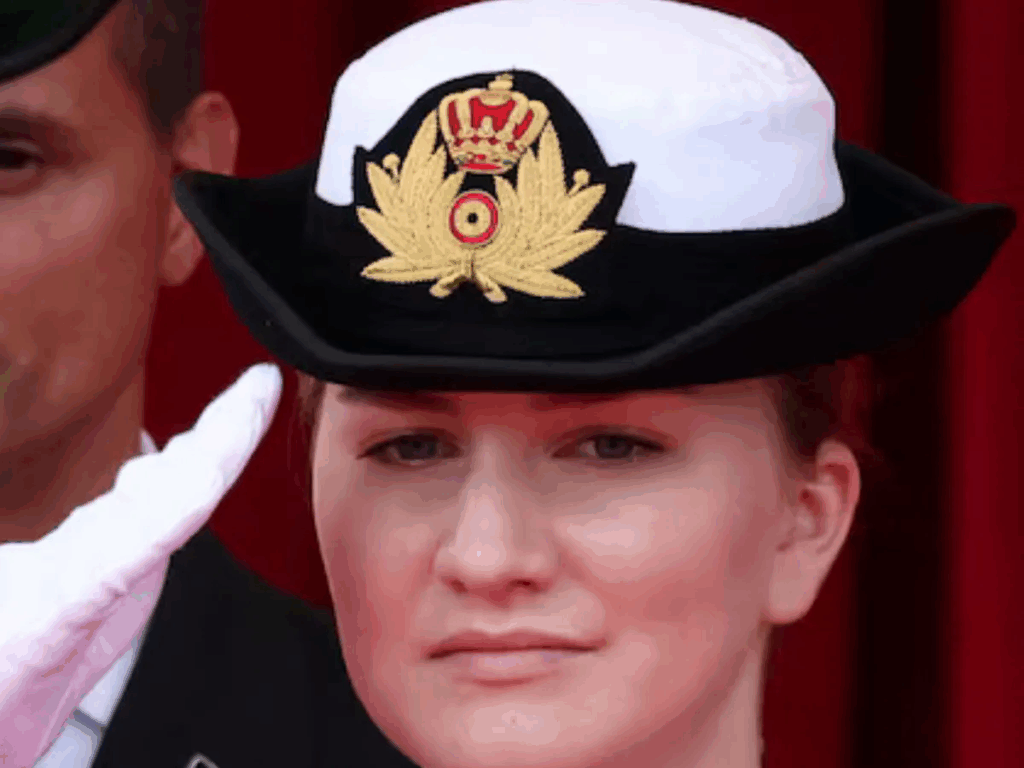
Princess Elisabeth of Belgium, the 23-year-old heir to the throne, will be able to continue her studies at Harvard University this fall after a U.S. federal judge blocked the Trump administration’s attempt to bar foreign students from attending the Ivy League institution.
The princess, enrolled in a master’s program in Public Policy, had faced uncertainty earlier this year when President Donald Trump signed a proclamation seeking to restrict international students from entering the U.S. The move was widely criticized abroad and sparked legal challenges at home.
What happened with Trump’s foreign student ban?
In May 2025, the Trump administration issued a proclamation targeting foreign nationals seeking to study at Harvard and other top-tier American universities. Officials argued the policy was aimed at curbing what they described as “leftist woke ideology” and “antisemitism” on elite campuses—claims strongly rejected by Harvard and other institutions.
The measure threatened to block thousands of international students from entering or reentering the U.S., including Princess Elisabeth. According to Harvard data, nearly 6,800 international students—about 27% of its total student body—were enrolled in the last academic year.
In June, however, a federal judge issued an injunction against the policy, ruling that the administration had overstepped its authority. While the government has appealed the decision, the injunction remains in effect as the fall semester approaches.
What does this mean for Belgian Princess Elisabeth?
Princess Elisabeth, who began her two-year master’s program at Harvard Kennedy School in 2024, will now resume classes for her second year starting September 2.
The Belgian Royal Palace confirmed the development through its communications director, Xavier Baert, who said:
“For now, all the conditions seem to be in place for the princess to continue her studies at Harvard.”
The course is designed to train future leaders for careers in public service, equipping students with skills in governance, economics, and policy analysis. For the future Belgian queen, it represents both personal education and preparation for a life of public duty.
Why does this matter beyond Belgium?
The case of Princess Elisabeth has drawn international attention, not only because of her royal status but also because it highlights the broader implications of U.S. immigration and education policy.
- For foreign students: The blocked ban reaffirmed the importance of judicial oversight in protecting access to U.S. higher education.
- For universities: Institutions like Harvard depend heavily on global talent and tuition from international students.
- For U.S. soft power: America’s ability to attract future leaders—from royals to heads of state—has long been a pillar of its global influence.
Restricting that pipeline could weaken U.S. diplomatic and cultural ties in the long term.
The bigger picture: Trump vs elite universities
The Trump administration has escalated its confrontation with Ivy League schools, accusing them of fostering what it calls “toxic leftist influence.” The White House has also criticized universities for their handling of campus debates around the Israel-Palestine conflict, linking the foreign student ban to broader efforts to reshape higher education.
Critics argue that such policies risk politicizing education, harming America’s reputation, and deterring international talent. Supporters of the administration counter that universities must be held accountable for ideological bias.
The outcome of the administration’s appeal will determine whether the injunction holds through the academic year.
Conclusion
For now, Princess Elisabeth—and thousands of other international students—will be able to continue their studies in the U.S. But the legal and political battle over the future of foreign enrollment in American universities is far from over.
What is certain is that Harvard’s classrooms will continue to host some of the world’s most influential future leaders—including the future queen of Belgium.