
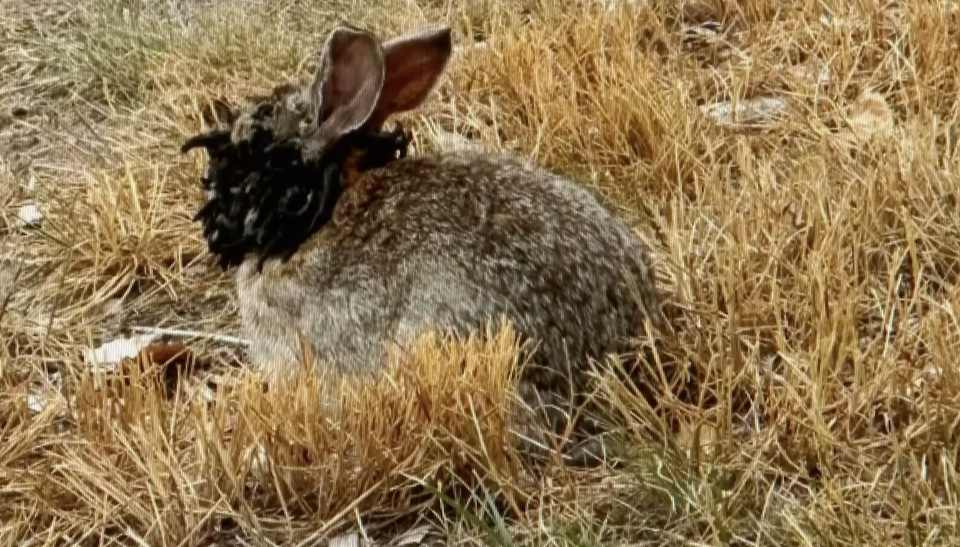
Reports of cottontail rabbits sporting horn-like growths in Fort Collins have caught the attention of both residents and wildlife officials. While the sight may appear alarming, experts say the phenomenon is not as mysterious or as dangerous as it looks.
What’s Behind the “Horned Rabbit” Sightings?
According to Colorado Parks and Wildlife (CPW) spokesperson Kara Van Hoose, the growths are caused by rabbit papillomatosis, a skin virus that creates black nodules or horn-like protrusions, typically around the animal’s head.
“These are viral-induced skin growths,” Van Hoose explained, “and while they may look extreme, they generally don’t harm wild rabbits unless they interfere with essential functions like eating, drinking, or seeing.”
How the Virus Works
- Cause: The virus is spread primarily through insect bites, such as from fleas or ticks.
- Seasonality: Most infections occur during the warmer months and often clear on their own in colder weather.
- Species-specific: The virus affects only rabbits—it poses no health risk to humans or other pets.
Is This a Threat to People or Pets?
For concerned residents, the answer is reassuring: no, there is no danger to humans or household pets from wild rabbits with papillomatosis.
However, domestic rabbits, especially those housed outdoors, are at risk of contracting the virus through insect bites or direct contact with infected wild rabbits. In these cases, the illness can be more severe and requires veterinary treatment.
Key takeaway: While the virus isn’t zoonotic (it doesn’t jump from animals to people), it can jump from wild rabbits to domestic rabbits.
How to Protect Domestic Rabbits
If you own a pet rabbit, CPW recommends:
- Keeping hutches indoors during peak insect season.
- Using fine-mesh screens for outdoor enclosures.
- Controlling fleas and ticks in your yard.
- Avoiding direct contact between domestic and wild rabbits.
What to Do If You See an Infected Rabbit
CPW emphasizes that residents should not approach, touch, feed, or attempt to capture infected wild rabbits. Handling wild animals—especially those showing signs of illness—can cause stress to the animal and increase the risk of accidental injury to people.
If you’re concerned about a sick or injured rabbit:
- Note its location.
- Contact your local wildlife rehabilitation center or CPW office.
- Avoid letting pets near the animal.
Van Hoose also reminded the public that horn-like growths alone are not usually a cause for intervention unless the rabbit is visibly impaired.
Why the Sightings Spike in Summer
Papillomatosis outbreaks follow insect activity. Warmer weather brings higher populations of fleas, ticks, and mosquitoes—prime transmitters of the virus. As temperatures drop, the virus tends to resolve in wild rabbits without long-term effects.
In short: The summer spike is part biology, part bug season.
Separating Myth from Reality
Unusual animal appearances often lead to folklore. Horned rabbits have long inspired myths, including the North American “jackalope” legend. While the Fort Collins sightings may look like the stuff of tall tales, they are a straightforward case of wildlife disease biology—not a cryptid come to life.
The Bottom Line
Horned rabbits in Fort Collins may look unsettling, but the growths are a known and generally harmless wildlife condition caused by rabbit papillomatosis. The key points for residents:
- No danger to humans or non-rabbit pets.
- Domestic rabbits can be infected—prevention is important.
- Do not handle or approach wild rabbits.
- Sightings are most common in summer and tend to resolve naturally in colder months.
Awareness and responsible behavior will ensure both people and rabbits stay safe as nature runs its course.