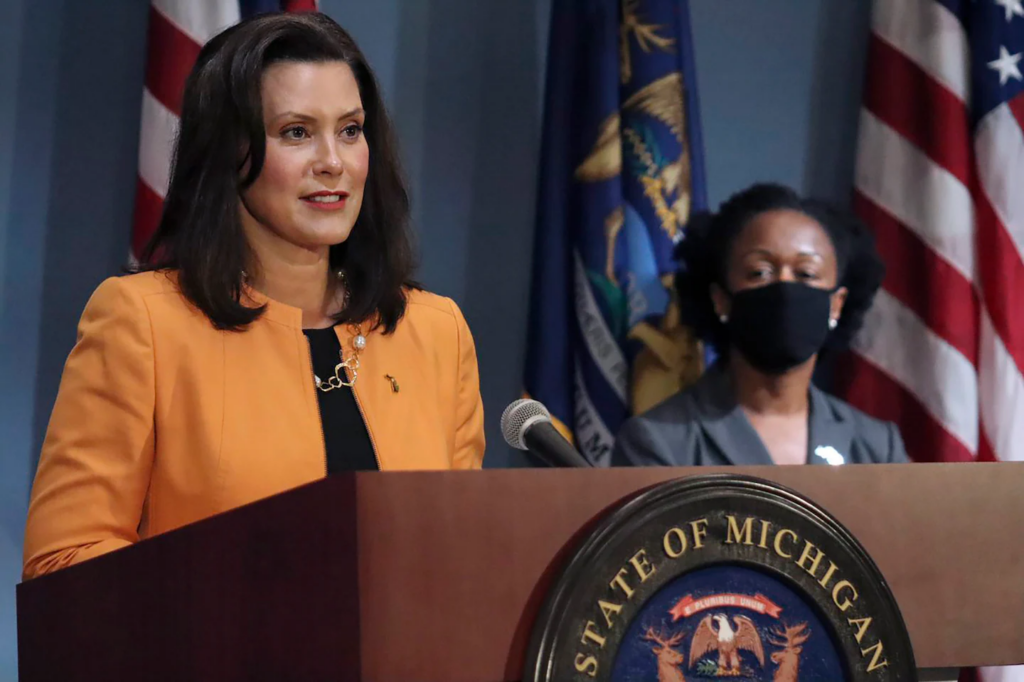
A Honolulu man is facing federal charges after allegedly threatening to assassinate Michigan Governor Gretchen Whitmer and carry out a mass shooting at the Michigan State Capitol, according to federal prosecutors.
The case adds to growing concerns about threats and political violence targeting elected officials across the United States. Authorities say the suspect, a Honolulu resident, made explicit threats that prompted an immediate federal investigation and criminal charges.
What happened?
Federal prosecutors have charged 48-year-old Ronald Saville of Honolulu with transmitting threats in interstate commerce after he allegedly threatened to kill Whitmer and launch a deadly attack at the Michigan State Capitol.
According to court documents, Saville allegedly stated that he wanted to “shoot up” the Capitol building and kill as many people as possible. Investigators determined the threats were serious enough to warrant swift federal intervention.
Authorities have not publicly disclosed all details surrounding the communications or how the threats were made. However, prosecutors argue the language used was specific and alarming enough to trigger significant security concerns.
Why the allegations are being taken seriously
Any threat against a public official receives scrutiny from law enforcement, but threats involving Whitmer carry additional weight because of past incidents.
In 2020, federal authorities uncovered a high-profile kidnapping plot targeting the Michigan governor. Several individuals were later prosecuted in connection with that case, making Whitmer one of the most prominent targets of political extremism in recent years.
That history has led federal agencies to treat subsequent threats against her with heightened urgency.
A pattern of increasing threats
The case arrives amid a broader trend that has alarmed law enforcement agencies nationwide.
Federal officials have repeatedly warned that threats against public officials have risen sharply over the past several years. Governors, members of Congress, judges, election workers, and even presidential candidates have all become targets of harassment, intimidation, and violent rhetoric.
The Department of Justice and the FBI have increased resources dedicated to investigating such threats, emphasizing that online comments, messages, and statements can carry serious legal consequences when they involve credible threats of violence.
What charges does Ronald Saville face?
Saville has been charged with transmitting threats in interstate commerce, a federal offense commonly used in cases involving threats made through electronic communications, telephone calls, or other interstate channels.
If convicted, he could face substantial prison time.
Federal prosecutors have not publicly indicated that Saville traveled to Michigan or took concrete steps toward carrying out an attack. Nevertheless, authorities argue that the seriousness of the alleged threats justified criminal prosecution before any potential violence could occur.
Ongoing investigation
Investigators continue to review evidence connected to the case.
Court proceedings are expected to reveal additional details about:
- The nature of the alleged threats
- How the messages were communicated
- Whether any additional individuals were involved
- Whether the suspect possessed the means or intent to carry out an attack
Federal authorities have not announced any additional charges at this time.
The broader debate over political violence
The case underscores growing concerns about the increasingly hostile political climate in the United States.
Security experts have warned that inflammatory rhetoric, online radicalization, and political polarization have contributed to a rise in threats against public officials. While many threats never progress beyond words, law enforcement agencies increasingly emphasize early intervention to prevent potential acts of violence.
The FBI has repeatedly stated that threats against government officials, regardless of political affiliation, are treated as serious federal crimes.
For elected officials such as Whitmer, enhanced security measures have become an increasingly common part of public service as authorities confront evolving threats in both digital and physical spaces.
What happens next?
Saville is expected to appear in federal court, where prosecutors will present evidence supporting the charges.
The case will likely be closely watched given Whitmer’s national profile and the continuing focus on political violence in America. Investigators are expected to provide additional details as court filings become public and the legal process moves forward.
Why this story matters
The charges against Ronald Saville highlight a growing challenge facing law enforcement and elected leaders: balancing free expression with the need to respond aggressively to threats of violence. As political tensions remain high, federal authorities continue to signal that threats against public officials will be investigated and prosecuted, even when no attack has been carried out.
TL;DR
A Honolulu man has been federally charged after allegedly threatening to kill Michigan Governor Gretchen Whitmer and carry out a mass shooting at the Michigan State Capitol. Prosecutors say the threats were serious enough to prompt immediate action. The case comes amid growing concern over political violence and threats targeting public officials across the United States.