
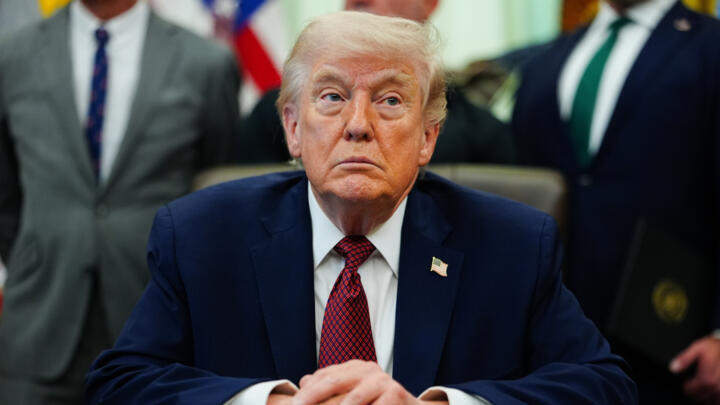
Tensions between Iran and the United States are rising again after Iranian military officials warned that war is “likely” to resume and break the ceasefire, while US President Donald Trump refused to clarify whether Washington is preparing for renewed military action.
The warning comes three weeks into a fragile ceasefire that halted direct fighting between the US, Israel, and Iran after one of the most dangerous escalations in the Middle East in years.
But despite the pause in open hostilities, both sides now appear deeply skeptical of each other’s intentions, and diplomatic negotiations show little sign of progress.
Why Iran says the war could restart
Iranian military officials accused Washington of using diplomacy largely as a public relations tool while maintaining military pressure behind the scenes.
According to statements carried by Iran’s Fars News Agency, senior military official Mohammad Jafar Asadi said Tehran believes the US is not committed to long-term agreements.
“The actions and statements of US officials are primarily media-driven,” Asadi said, according to Iranian media reports.
He claimed the US was trying to:
- Prevent a collapse in oil prices
- Manage political fallout from the conflict
- Avoid appearing trapped in a prolonged regional crisis
Asadi also warned that Iranian armed forces are fully prepared for what he described as possible new “adventures” by the United States.
The rhetoric reflects growing distrust inside Iran over whether Washington genuinely intends to pursue diplomacy or is simply buying time while maintaining strategic pressure.
Trump’s mixed signals are fueling uncertainty
Part of the instability comes from Trump’s own shifting public messaging on Iran.
At various points in recent weeks, the administration has:
- Declared hostilities effectively over
- Continued military pressure in the region
- Maintained naval operations near Iran
- Suggested diplomacy remains possible
- Repeatedly hinted military action is still on the table
That ambiguity has left allies, markets, and adversaries trying to interpret Washington’s real intentions.
Trump says he is “not satisfied” with Iran’s proposal
Speaking to reporters at the White House, Trump confirmed Iran had presented a fresh proposal during ongoing diplomatic discussions.
But he dismissed the offer as unacceptable.
“They want to make a deal, I’m not satisfied with it,” Trump said.
When asked what specifically concerned him, Trump declined to provide details.
“They’re asking for things I can’t agree to,” he said.
The lack of specifics has added another layer of uncertainty around negotiations that were already fragile.
Trump refuses to rule out new strikes
Perhaps the most consequential moment came when Trump was asked directly whether he was considering new military strikes on Iran.
His answer did little to calm fears of renewed conflict.
“Why would I tell you that?” Trump responded.
That comment immediately fueled speculation that military options remain actively under discussion inside the administration.
Trump frames the conflict as two stark choices
Trump later described the situation in blunt terms while discussing a briefing with Brad Cooper, head of US Central Command.
According to Trump, Washington faces only two realistic paths:
- Strike Iran harder militarily
- Reach a negotiated settlement
“I mean, do we want to go and just blast the hell out of them and finish them forever?” Trump said. “Or do we want to try and make a deal?”
He added that he would prefer diplomacy “on a human basis,” though he emphasized military force remains an option.
The language underscored how volatile the situation remains despite the ceasefire technically holding.
Why the ceasefire still looks fragile
Although direct fighting has paused for three weeks, many of the core issues that triggered the conflict remain unresolved.
Major sticking points still divide Washington and Tehran
Key unresolved disputes reportedly include:
- Iran’s nuclear program
- Sanctions relief
- Regional military activity
- US naval deployments
- Missile development
- Verification and enforcement mechanisms
Iranian officials remain deeply suspicious because previous negotiations between Tehran and Washington have repeatedly collapsed over the past two decades.
That history continues to shape Iran’s negotiating posture.
Iran believes pressure tactics are continuing
Iranian leaders argue that even while talks continue:
- Economic sanctions remain in place
- Military pressure has not eased
- US naval operations continue near strategic waterways
- Israel remains militarily active in the region
From Tehran’s perspective, that combination weakens trust in Washington’s diplomatic messaging.
Oil markets are watching every statement closely
One reason both governments are speaking carefully is the enormous global economic impact tied to the conflict.
The earlier escalation between the US, Israel, and Iran disrupted energy markets and drove major increases in oil and jet fuel prices worldwide.
Why Iran matters to global energy markets
Iran sits near the Strait of Hormuz, one of the world’s most important oil shipping routes.
Any renewed fighting could threaten:
- Global oil supplies
- Commercial shipping lanes
- Energy infrastructure
- Insurance and transport costs
That is why even vague comments from US or Iranian officials can move global commodity markets almost instantly.
Why both sides may still avoid full-scale war
Despite the aggressive rhetoric, analysts say neither Washington nor Tehran appears eager for a prolonged conventional war.
The US faces strategic risks
A wider war could:
- Increase military costs dramatically
- Threaten regional bases and allies
- Disrupt global markets further
- Trigger broader instability across the Middle East
Iran also faces major vulnerabilities
Iran’s economy has already faced:
- Sanctions pressure
- Currency instability
- Energy export disruptions
- Infrastructure damage from recent strikes
A prolonged conflict could deepen those problems significantly.
That mutual risk may explain why both sides continue mixing threats with diplomatic language instead of fully abandoning negotiations.
The world is still waiting for clarity
For now, the ceasefire technically survives, but neither side appears confident it will last.
Trump continues to alternate between threats and negotiation signals. Iran, meanwhile, is openly warning that it expects fighting could resume.
The result is a geopolitical standoff wrapped in uncertainty, where every presidential remark, military deployment, or diplomatic leak carries outsized consequences.
Three weeks after the guns fell silent, the Middle East remains stuck in a tense holding pattern, with the possibility of renewed war never fully off the table.